Pest control is about keeping your loved ones safe while maintaining a comfortable environment. But common pest control mistakes can compromise safety and lead to severe infestations. Pests don’t just cause structural damage; they also lead to severe allergies and spread dangerous diseases.
Even when the homeowners have good intentions and want the best for their spaces, they end up choosing the wrong treatments. Usually, these mistakes are small habits that you might think don’t have any impact, but they are the main reasons for making pest infestations worse. Learning about these mistakes and choosing better treatments helps in preventing these infestations and damage.
Common Pest Errors Making Infestations Worse
Many pest control mistakes occur when homeowners opt for DIY solutions or ignore infestations altogether. Learning about the different mistakes helps homeowners keep their spaces pest-free.
- Ignoring Early Signs of Infestations
One of the common mistakes in pest control is that homeowners ignore the early signs of pests. They ignore signs like droppings, gnaw marks, and unusual sounds within the walls. But these signs indicate that a significant pest problem is waiting for you. When pests get an undisturbed environment, they reproduce quickly, which increases their numbers. This simple act makes infestation management difficult and expensive.
- Investing in DIY Pest Solutions
Homeowners feel obliged to use DIY pest chemicals and solutions to handle the infestations. But when they don’t have the right knowledge, they can make infestations worse. When homeowners overuse or misapply chemicals, it leads to health issues and risks for their family and loved ones. Plus, improperly setting traps or spraying chemicals is ineffective against pests. Pests can continue to thrive and can become a severe issue for your home.
- Avoiding Regular Maintenance and Inspections
A common mistake homeowners make is avoiding or delaying regular maintenance and inspections. Regular check-ups allow homeowners to detect pest issues before they escalate. Common areas where you should look include attics, basements, behind massive appliances, etc. Pests prefer to hide in these hidden spaces for better reproduction, accessing shelter, and food.
- Improper Waste Management and Food Storage
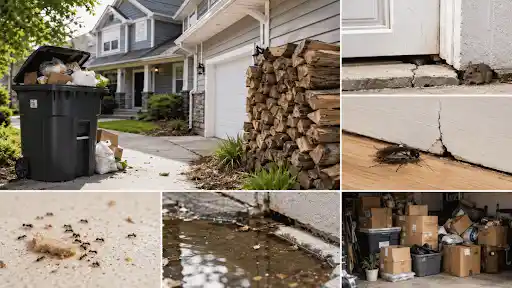
Your specific approach for handling waste and how you store food can affect pests’ access to your home. Poor prevention and waste management prove an open invitation to the pests. When your trash is not regularly disposed of or sealed, it attracts various pests, from rodents to ants. If your food is stored improperly, or you have left it exposed in the kitchen or pantries, then it can also attract pests.
- Unpredictable Pest Control Strategy
Usually, homeowners treat pest problems as a one-time treatment without proper planning. They don’t know how long the infestation requires proper treatment. Most pest control treatments from professionals work on a monthly or quarterly basis. But the actual treatment period varies according to the type of pest you’re dealing with. Homeowners have busy lifestyles and often forget about maintenance and inspections. This can make pests thrive better with more reproduction.
- Improper Pests Identification
Normally, homeowners end up making improper or incorrect identification of the pests in their spaces. It especially happens with most insects. They are so small and look very similar to each other. The wrong identification can lead to implementing the wrong pest control treatment, which enhances the overall infestation.
- Not Sealing Entry Points
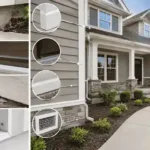
Pests feel invited when they see gaps, cracks, and crevices around windows and doors. Unsealed windows and doors can also lead to various issues. Pests, even though they have big size, can squeeze through tight spaces efficiently. They need tiny entry points to make their entrance into your spaces. Ignoring to seal these entry points offers easy access to pests and makes infestations worse.
- Ignoring Seasonal Pest Patterns
Pests follow seasonal patterns, and homeowners fail to recognise this cycle. Rodents prefer to move indoors in the winter to stay warm, while ants, mosquitoes, and wasps become more active during the summer. When you don’t recognise this pattern, you end up facing severe infestations. Preventive planning in such situations can help.
| Common Pest Error | What Homeowners Usually Do | How It Makes Infestations Worse |
| Ignoring Early Signs of Infestations | Homeowners overlook droppings, gnaw marks, unusual sounds, and other early warning signs. | Pests get an undisturbed environment to reproduce quickly, which increases their numbers and makes the infestation harder and more expensive to manage. |
| Investing in DIY Pest Solutions | Homeowners use DIY chemicals, traps, and pest control products without proper knowledge. | Misused chemicals and poorly placed traps often fail to control pests. This can allow pests to continue thriving while also creating health risks for the household. |
| Avoiding Regular Maintenance and Inspections | Homeowners delay check-ups in areas like attics, basements, and spaces behind large appliances. | Hidden pest activity can go unnoticed for longer, giving pests shelter, food access, and time to reproduce. |
| Improper Waste Management and Food Storage | Trash is not sealed or disposed of regularly, and food is left exposed in kitchens or pantries. | Pests such as rodents, ants, and insects are attracted to easy food sources and waste, increasing the chances of infestation. |
| Unpredictable Pest Control Strategy | Homeowners treat pest problems as a one-time issue without understanding how long treatment may take. | Inconsistent action allows pests to return, reproduce, and spread further throughout the property. |
| Improper Pest Identification | Homeowners misidentify pests, especially small insects that look similar to each other. | Wrong identification can lead to the wrong treatment approach, which may fail to control the infestation and allow it to grow. |
| Not Sealing Entry Points | Gaps, cracks, and crevices around windows, doors, and other areas are left open. | Pests can squeeze through tiny spaces and gain easy access to the home, making infestations more likely and harder to control. |
| Ignoring Seasonal Pest Patterns | Homeowners fail to recognize pest activity changes during different seasons. | Rodents may move indoors during winter, while ants, mosquitoes, and wasps become more active in warmer months, leading to stronger seasonal infestations. |
How to Prevent These User Mistakes for Better Pest Control?
Homeowners can prevent significant damage through pest control when they implement the following practices.
- Understanding the Proper Pest Identification
Don’t end up choosing the wrong pest treatment due to their improper identification. You can prevent such issues by collecting a sample or getting clear pictures of the pest, wings, and droppings. Also, utilise local extension resources or help from pest identifiers to properly understand the pest type.
- Don’t Solely Rely on Chemicals
Chemicals only offer temporary protection against pests. You should implement the IPM strategies by cleaning up food crumbs, fixing leaky pipes, and sealing cracks with sealant and caulk. It ensures you’re blocking the entry of pests before they can reproduce.
- Don’t Spray Repellents Near Baits
Spraying repellent insecticides directly around gel baits or bait stations is not the ideal situation. It allows pests to avoid the specific areas where the poison is, and prevents their extermination. Instead, place baits along edges or trails without spraying any chemical or natural insecticides nearby.
- Read the Label Instructions
Homeowners think that if they overapply the products, they can efficiently exterminate the pests. But it’s far from the truth. Instead, they must read the label and instructions carefully on the products. Consider the specific directions, dosages, application methods, safety precautions, drying times, etc.
- Storing Pesticides Properly
You must store pesticides properly. Otherwise, they become dangerous for your children’s and pets’ safety. Store all products in their specific containers. Ensure proper temperature control, away from direct sunlight, and away from children and pets.
- Schedule Regular Inspections and Seal Entry Points
At least, schedule a pest inspection once a year. If you live in a high-risk area, you should invest in pest inspections every six months. These inspections help detect problems at early stages, so you can take suitable actions without facing severe damage. Also, inspect your property for signs of cracks and gaps, especially in foundations, windows, and walls. Seal those entry points with high-quality sealants. Also, install screens on windows and vents.
- Address Moisture Issues
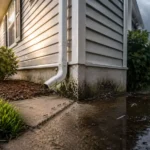
Moisture attracts pests, especially termites. When you have leaking pipes or poor drainage systems around the property, you must handle these issues. Remove the standing water in dishes, clean the dishes within time, and fix the leaky pipes and drainage systems.
- Handle Outdoor Pest Management
Don’t ignore the outdoors of your house. Ensure the garden and other outdoor areas are well-maintained. It’s a special recommendation if you have a house near trees and greenery. Regular treatment of outdoor areas keeps the pests away from your house.
- Don’t Wait for the Infestation to Become Worse
Most homeowners ignore the early signs of infestation or pest activities. It turns a few pests into a thriving infestation. That’s why acting quickly once you notice warning signs and implementing preventive measures is essential. If things are still out of control, hire a professional pest control extermination service.
Benefits of Professional Pest Inspections
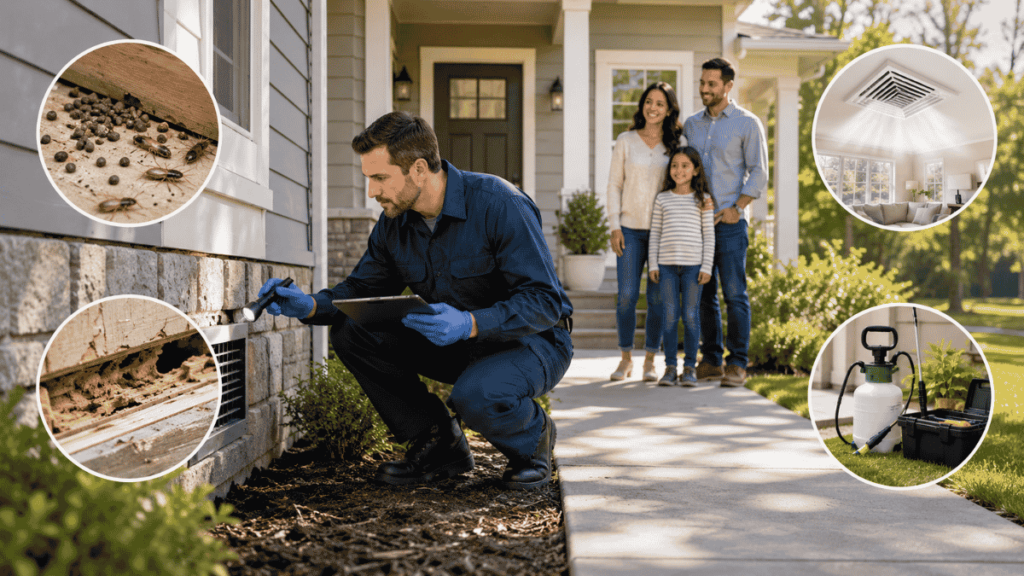
Investing in professional pest control services keeps your family safe and prevents structural damage. DIY solutions are suitable for minor inconveniences. Choosing professional services offers various benefits.
- Protection Against Dangerous Diseases
Choosing professional pest control services offers protection against harmful diseases. Pests carry bacteria, viruses, and parasites, which lead to severe illnesses. Professional pest experts eliminate these disease-causing pests and help prevent their overall return. They use targeted and safe treatments to handle the pests.
- Better Indoor Air Quality
Pests cause cleanliness issues, along with affecting the overall indoor air quality. These pests can cause allergies and respiratory issues. Pest waste causes dust contamination and leads to constant sneezing, coughing, wheezing, and skin irritation.
Professional pest control experts remove infestations and affected areas to ensure clean air quality. They also offer guidance related to preventive measures to maintain healthy environments.
- Property Damage Prevention
Pests can cause significant damage in an instant. At one moment, they are in a few numbers, and in the next minute, they’re destroying your spaces with their countless fellows. Professional pest control companies detect early pest signs and apply suitable methods to keep your house safe and avoid expensive repair costs.
- Targeted and Safe Treatments
Professionals do not rely on a single solution for all types of pest infestations. Instead, they offer environmentally-friendly and personalised IPM solutions. It ensures harmful chemicals are only utilised when proper safety is in place and it’s necessary.
- Long-Term Affordability
A professional inspection has an upfront cost, without any doubt. But it’s useful for preventing expensive and full-scale extermination procedures. The money you will spend on rebuilding the structure of your property is also avoidable when you invest in professional services.
When to Call for Professional Pest Control Services?
Choosing professional pest control services becomes necessary when DIY solutions are not offering satisfactory results. Understanding different situations where professional help is needed can ensure homeowners make wise decisions.
- When you have tried multiple DIY solutions but keep seeing pests or active rodent activity that has been spread from the attic to the kitchen, then you need professional help. If the DIY solutions are not working for 2 weeks for rodent control, then it’s time to change your approach.
- When you’re treating only the surface-level issue without addressing the root cause, infestations spread faster. When you spot hollow wood, chewed baseboards, or sagging ceilings, gnawed marks on insulation and electrical wiring, then investing in professional help is necessary.
- If you have used dangerous pest control chemicals that are making you and your family members dizzy, experiencing rashes and respiratory problems, then immediately call professional pest control exterminators.
- When you’re dealing with aggressive, highly stinging, and adaptive insects, call professional pest control services.
Looking for the right pest extermination company? Then, Invaders Canada is an experienced company, suitable for both residential and commercial spaces. We have the right team of professionals with advanced tools to handle minor to severe infestations. Call us today for further information.
Conclusion
To conclude, pest control mistakes can happen when homeowners don’t have proper knowledge or have busy routines. Trying to handle these infestations by yourself is a good way to exterminate pests, but they become difficult to handle with severe infestations. In such situations, relying on professional help is a better solution. But choosing the right company is also necessary, so considering various factors can help. Knowing when to call for professional pest solutions ensures a safe living environment.
FAQs
What is the most common pest control mistake homeowners make?
Ignoring early signs of infestation is one of the most common mistakes. Small pest problems can quickly become large infestations if not addressed promptly.
Why do pests keep coming back after treatment?
Pests often return when entry points, food sources, moisture issues, or nesting areas are not eliminated. Treatment alone may not solve the underlying problem.
Are DIY pest control methods effective?
DIY methods can help with minor infestations, but severe or recurring pest problems often require professional treatment and inspection.
How often should homeowners inspect for pests?
A thorough inspection should be performed at least every season, with additional checks after heavy rainfall, renovations, or signs of pest activity.
What preventive measure is most effective against pests?
A combination of sanitation, moisture control, sealing entry points, and regular inspections provides the strongest long-term protection against pests.