Summary:
“Weather affects pest activity by changing where pests can find warmth, moisture, food, and shelter. Warm spells increase insect movement and development. Heavy rain can flood outdoor nests, while drought sends pests searching for water. In fall and winter, mice, rats, spiders, and cluster flies are more likely to enter GTA buildings. The best defence is to act before each weather shift.”
An ant trail after spring rain is not a fluke. The same is true of attic noise after the first cold night. Pests react to heat, cold, rain, dampness, and shelter. These shifts affect when insects feed and when rodents move. They also change which parts of a building draw pests.
The GTA has four very different seasons. Environment and Climate Change Canada’s 1991–2020 Toronto climate normals show this range. The average daily temperature is -3.5°C in January and 22.5°C in July. Homes must cope with summer heat, winter cold, spring snowmelt, and freeze-thaw cycles. This is true across Toronto, Vaughan, Mississauga, Brampton, Markham, Oakville, and Milton.
Weather alone does not cause an infestation. A pest also needs an entry point or an indoor source of food, water, or shelter. Understanding the trigger lets you fix those conditions before activity spreads.
For a month-by-month prevention plan, use this guide alongside our year-round GTA pest control tips.
What Weather Factors Drive Pest Behaviour in the GTA?
Shifting climate patterns in the Greater Toronto Area directly dictate when and how local pests invade your home.
Temperature spikes and sudden drops
Most household insects are ectotherms. In simple terms, the air around them affects their body heat. Warm weather often speeds up movement, feeding, and growth. Yet each species has a heat limit. The first run of warm days can bring ants, flies, wasps, and other insects into view.
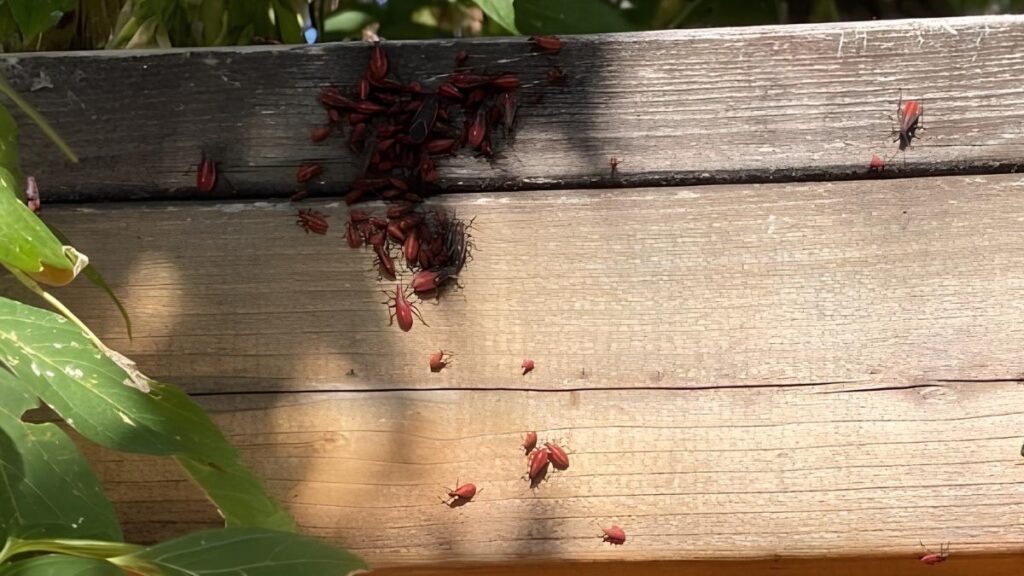
Extreme heat can cause a different response. Pests may leave open areas for shade or water. They may turn up near foundations, damp basements, kitchens, or baths. In autumn, cold nights send mice and rats in search of shelter and food. Cluster flies also gather on warm outer walls. They then enter gaps near siding, eaves, and windows.
Rain, humidity, and saturated soil
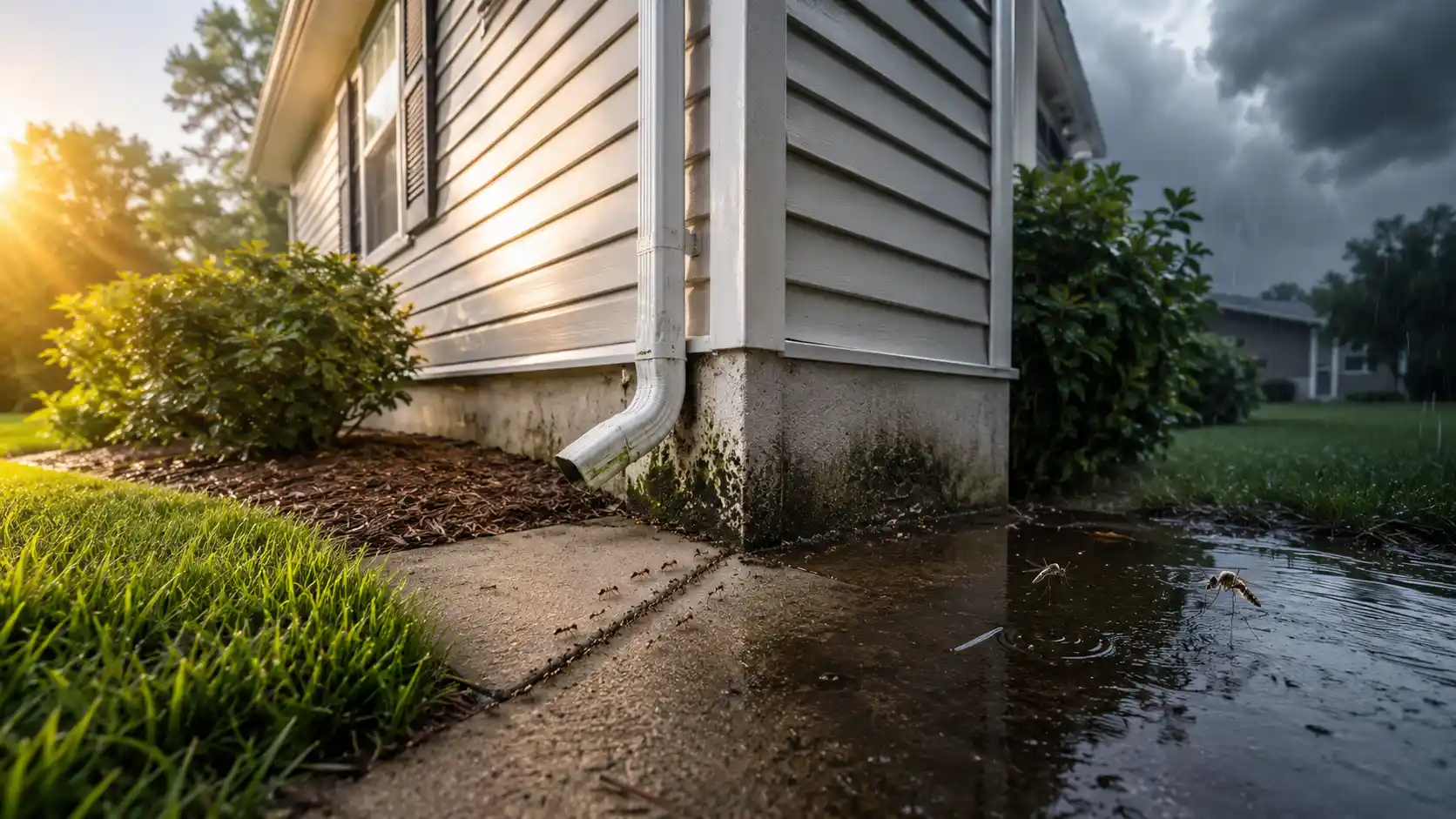
Rain can help pests or force them to move. Water in clogged gutters, pots, toys, and low yard spots gives mosquitoes places to grow. Soaked soil can flood nests. Pavement ants, earwigs, and other ground pests may then move toward dry ground near a home.
Indoor relative humidity matters too. A leak or damp crawl space gives pests water and shelter. A wet basement can do the same. These spots may draw roaches, silverfish, cellar spiders, and carpenter ants. Carpenter ants do not eat wood. They dig galleries in it and often choose damp or rotting wood. Repeat ant trails near a roof leak, window, or basement sill may point to hidden water damage. The fix may need both a repair and professional ant control.
Freeze-thaw cycles and weak entry points
Southern Ontario often moves above and below 0°C from late fall to early spring. Water can seep into worn mortar, bad caulk, and small outer cracks. As it freezes, thermal expansion can make old damage worse or expose a gap.
After winter, check foundation joints and window wells. Check door sills, soffits, roof edges, and gaps around pipes or wires. Pests do not make every crack, but they will use an open one. Good seals help keep out both pests and cold air.
How Does Weather Affect Common GTA Pests?
| Pest | Weather trigger | What may happen | What to check |
|---|---|---|---|
| Mice and Norway rats | Cold snaps, storms, drought, prolonged warmth | Indoor entry or movement toward food and water | Door gaps, vents, foundations, garbage, droppings |
| Ants and carpenter ants | Spring warmth, rain, saturated soil, damp wood | More feeding, nest movement, or use of damp wood | Trails, plumbing leaks, window frames, frass |
| Cluster flies and spiders | Cooling autumn days and warm exterior walls | Entry into attics, wall voids, basements, and window areas | Soffits, screens, siding gaps, webs |
| Cockroaches | Indoor warmth, moisture, and food access | Year-round breeding inside heated buildings | Under sinks, appliances, drains, pipe chases |
| Bed bugs | Mostly indoor conditions, travel, and item movement | Activity in every season; weather is not the main cause | Mattress seams, bed frames, furniture, luggage |
Rodents: House mice and Norway rats
Rodents do not hibernate inside GTA homes. Once they find warmth, nesting material, food, and water, they can remain active through winter. Cold weather increases the value of indoor shelter, while drought can bring rodents closer to irrigated yards and leaking exterior taps.
Small openings are enough. Health Canada says mice can enter a dime-sized crack. Rats can use a quarter-sized hole. Its rat and mouse prevention guidance calls for tight door seals and fixed foundations. It also advises fine metal screens on vents, closed garbage bins, and fewer water sources. Do droppings, gnaw marks, burrows, or wall noises remain?
Arrange rodent control in the GTA before the problem grows.
Ants and wood-damaging carpenter ants
Warm spring days restart outdoor foraging, while rain can change established trails or displace ants from saturated soil. Indoor trails may lead to crumbs or pet food, but they can also point toward a nest in a wall void.
Carpenter ants deserve faster attention when they appear near damp wood. Watch for coarse sawdust-like material, winged ants, soft trim, or repeated nighttime activity.
Overwintering insects and spiders
Cluster flies and some beetles seek safe voids before winter. They may enter in fall but stay out of sight. A warm spell can heat a wall or attic and wake them. Spiders may also move indoors in fall. Some follow insect prey into basements and garages. Seal outer gaps before pests settle in wall voids, where they are hard to reach.
Cockroaches and bed bugs
These pests require a different explanation. German cockroaches can live year-round in warm, damp kitchens, bathrooms, restaurants, and multi-unit buildings. Bed bugs usually spread through luggage, furniture, clothing, and movement between rooms or units. Outdoor weather may change travel patterns or indoor heating, but it is not the primary cause of a bed bug infestation. Do not wait for a seasonal change to solve either problem.
GTA Seasonal Pest Activity Roadmap
| Season | Main weather pattern | Likely pest pressure | Best preventive move |
|---|---|---|---|
| Spring | Snowmelt, rain, rising soil temperature | Ants, carpenter ants, overwintering flies, early wasps | Repair winter damage, dry wet areas, inspect for nests |
| Summer | Heat, humidity, storms, occasional drought | Mosquitoes, flies, wasps, ants, cockroaches | Remove standing water, secure food and waste, repair screens |
| Fall | Shorter days, rain, falling night temperatures | Mice, rats, spiders, cluster flies, other overwintering insects | Complete exterior exclusion before sustained cold |
| Winter | Freezing weather, snow, indoor heating, thaws | Indoor rodents, cockroaches, bed bugs, hidden overwintering pests | Monitor warm utility areas and inspect after thaws |
This roadmap is a planning guide. A warm March can start insect activity early, while a cool spring may delay it.
Note: Base inspections on actual conditions around your property, especially after heavy rain, the first autumn cold snap, or a winter thaw.
Why Pest Pressure Varies Across GTA Neighbourhoods
Two GTA homes can face different pest pressure on the same day. Small zones of heat and moisture form around each building. These are called microclimates.
- Lake influence: Areas near Lake Ontario can warm and cool at a different pace than inland areas. This may shift when outdoor insects become active.
- Urban heat: Roads, brick, traffic, and close-set buildings hold heat. Sunny south- and west-facing walls may draw insects that need a winter shelter.
- Building age and design: Worn mortar, old windows, flat roofs, and attached garages need close checks. Gaps around utility lines also need care.
- Multi-unit properties: Indoor pests use shared walls, pipe runs, and waste areas. Deliveries can also bring pests inside, even when outdoor weather is calm.
- Yards and drainage: Thick plants, wood on soil, clogged gutters, and poor grading hold water. They form damp, safe zones next to a home.
Property managers should compare pest reports with leak and drain records. They should also check waste dates and recent building work. A pattern after storms or cold snaps can point to the source.
Seasonal Pest Prevention Checklist for GTA Properties
Implement this comprehensive outdoor maintenance routine to stop local pests before they find a way indoors.
Exterior checks
- Inspect the foundation, brick joints, siding, roof edges, soffits, and vents after winter and major storms.
- Replace damaged door sweeps and weather stripping. Repair screens before opening windows in spring.
- Seal gaps around pipes, cables, dryer vents, and air-conditioning lines. Use a pest-proof material that fits the gap.
- Clear gutters and direct downspouts away from the foundation. Correct low areas where water collects.
- Keep firewood raised and away from the building. Trim branches and vegetation that touch siding or the roof.
- Use tight-fitting lids on garbage and organics bins. Clean residue around waste storage areas.
These steps form a sound perimeter seal.
Interior checks
- Check under sinks and near floor drains. Look beside water heaters and behind appliances for leaks or damp spots.
- Dry damp basements and crawl spaces. Better airflow or a dehumidifier may help.
- Store pantry goods and pet food in sealed containers. Clean crumbs and grease from hidden edges.
- Look for droppings, gnawing, insect skins, egg cases, frass, or new gaps rather than relying only on live sightings.
- Record where and when activity appears. Photos and dates help identify links to rain, heat, building work, or cold snaps.
Spring is a useful time for a full reset. Our spring pest control checklist covers room-by-room warning signs for kitchens, bathrooms, basements, garages, and attics.
When Is Professional Pest Control Necessary?
Book an inspection when cleaning and sealing do not stop the signs. Act fast if you find rodents or roaches in a multi-unit site. A hidden nest in a wall, roof, or damp wood also needs a close check. The same is true for bed bugs, large wasp nests, repeat carpenter ants, or heavy rodent activity. Correct pest ID is the first step.
A pest pro should check the species, entry route, food, water, and nearby weather damage. This should happen before treatment. If a pesticide is needed, it must match the pest. It must also be used as the Canadian label directs.
Invaders Canada provides pest control services across the GTA for homes and businesses. Service includes inspection, treatment, sealing advice, and follow-up.
Stay Ahead of Weather-Driven Pest Activity
GTA weather changes when and where pests move. A building’s weak points decide if they get inside and stay. Use heat, cold, rain, dampness, and thaws as cues to check your home. Remove food and water. Fix damage and seal access before a small issue takes hold.
If signs return or the source stays hidden, contact Invaders Canada for an expert check and a seasonal pest plan.
FAQs
Does warm weather increase pest activity?
Usually, yes for many insects. Warmer conditions can increase movement, feeding, and development within a species’ suitable range. Extreme heat may instead push pests into shaded, cooler, or damper parts of a building.
Why do ants come inside after heavy rain?
Heavy rain can saturate soil, disrupt trails, or flood outdoor nesting areas. Ants may move toward drier ground and enter through nearby foundation cracks. Food, water, and an indoor nesting site still determine whether they remain.
Does cold weather kill household pests?
Cold slows or kills some outdoor pests. It does not clear an indoor infestation. Rodents, roaches, and bed bugs can stay active in heated sites. Other insects spend winter in safe wall or attic voids.
Can pest control be done during rain or winter?
Yes. Inspections, indoor treatments, trapping, monitoring, and many exclusion tasks can continue year-round. Weather may change which exterior products or methods are appropriate, so treatment should follow the product label and site conditions.
What is the best time for seasonal pest prevention?
Act before pest pressure peaks. Check and fix winter damage in early spring. Remove standing water through summer. Seal pest entry points before steady autumn cold.