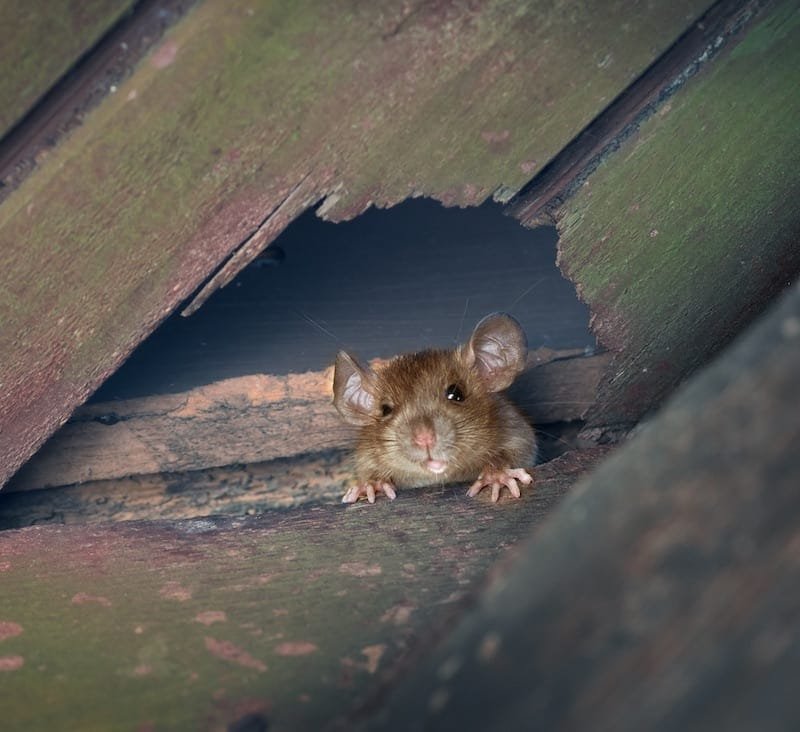
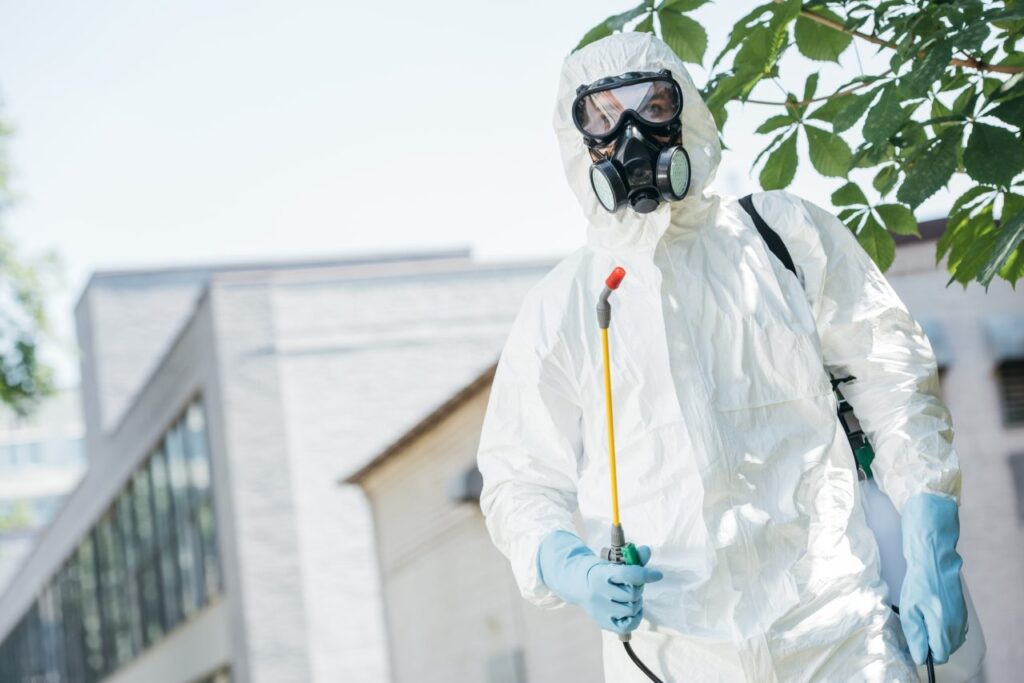
We inspect the interior and exterior of your property for gnaw marks, droppings, and entry points around garages, vents, and utility lines to confirm mice or rat activity.
Identification
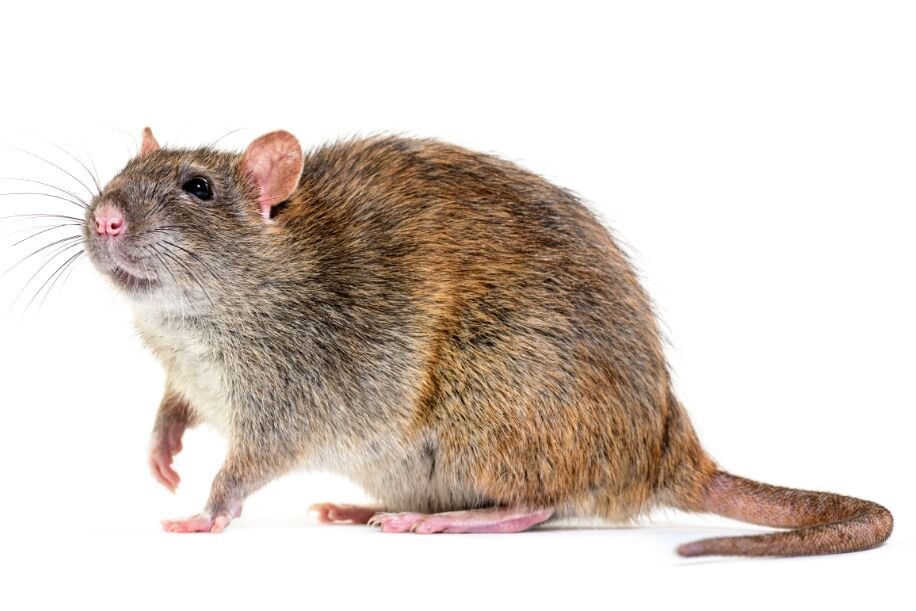
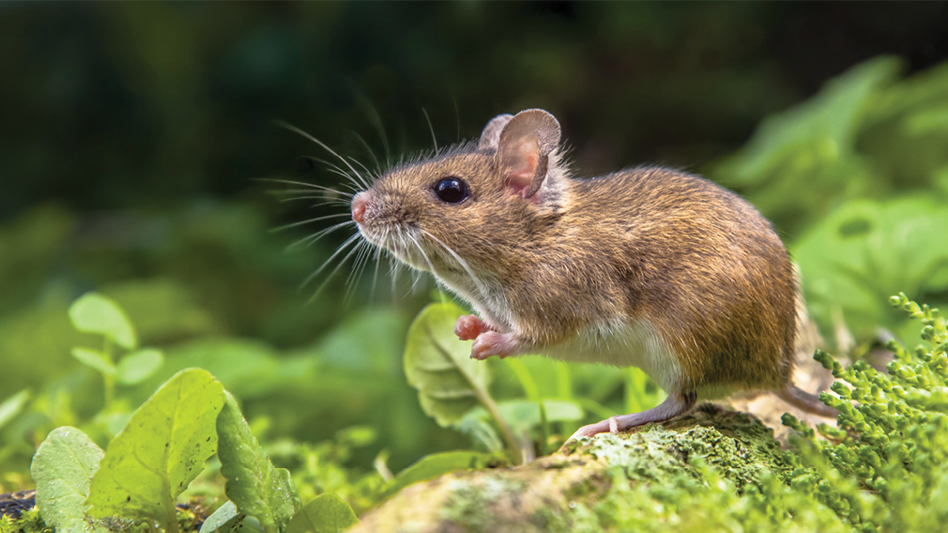
We identify whether you’re dealing with mice or rats, since nesting habits, entry points, and bait placement differ between the two, especially in Canadian winter months.
Treatment
We install baiting and exclusion measures at confirmed entry points and nesting areas, closing off access while eliminating the active rodent population inside the structure.
We inspect, identify the rodent species, and combine baiting with exclusion for lasting mice and rat control across the GTA.
Expert Technicians
Our technicians are trained to identify mice and rat activity accurately, since droppings, gnaw marks, and nesting patterns point to different treatment and exclusion strategies.
Safe Targeted Solutions
We use strategically placed bait stations and exclusion materials at entry points, protecting your family and pets while closing off the gaps rodents use to get inside.
Effective Treatments
Using Ministry of Environment registered rodent control products, we treat the active population and seal entry points, rather than only removing the rodents you can see.
Satisfaction Guarantee
If rodent activity returns to a treated property, we come back and re-treat it at no extra cost under our satisfaction guarantee.
Preventive Strategies
We provide a detailed report on entry points around garages, vents, and utility access, along with exclusion recommendations to keep mice and rats from re-entering.
Comprehensive Approach
From inspection through species identification, baiting, exclusion, and follow up, our rodent control process is designed to solve the entry problem, not just the current infestation.
At Invaders Canada, we guarantee complete elimination of all kinds of pest infestations across the GTA.
Ministry of Environment Licensed Pest Control in GTA
Every product we use is fully registered with the Ministry of Environment, ensuring maximum effectiveness against pests while minimizing impact on the environment.
Low Price Guarantee Pest Control in GTA
Our pest control prices are lower than our competitors. If you find a lower rate from a quality provider, we’ll match it or go lower.
RepOcean verifies that the original source of the review is Google.
We had an ongoing bugs issue in our restaurant in Oshawa,
It's greatly reduced to an extent that we barely see any in the restaurant anymore.
We appreciate Ali for his continued efforts.
RepOcean verifies that the original source of the review is Google.
I had an ongoing fruit fly issue that was driving me crazy, and this company completely took care of it. From the first call to the final treatment, the team was professional, knowledgeable, and extremely thorough. They didn’t just spray and leave, they explained where the fruit flies were coming from, what was causing the issue, and how to prevent it moving forward.
By the next day, I noticed a huge difference, and now the problem is completely gone. They were punctual, respectful of my space, and clearly take pride in their work.
If you’re dealing with fruit flies or any pest issue, I highly recommend them. Efficient, honest, and worth every penny.
RepOcean verifies that the original source of the review is Google.
This is I would like to mention here, Invaders Canada have teo visits to the Shy Lounge, their services are marvellous and satisfactory. This is highly be appreciated that provided services have positive results.
RepOcean verifies that the original source of the review is Google.
Invaders Canada provided outstanding pest control service! The team was professional, friendly, and knowledgeable. They quickly identified the problem and treated it effectively — we haven’t seen any pests since. Great communication, clear pricing, and very satisfied with the results. Highly recommend their services!
RepOcean verifies that the original source of the review is Google.
Ali was honest and gave me a fair quotation. I was happy all in all! He eradicated the issue from the root. Keep helping the people like me in dire trouble.
RepOcean verifies that the original source of the review is Google.
Ali was very knowledgeable and helped us with getting rid of the unwanted guests in our house. Followed up with us after the 1st treatment as well on the 2nd one. Thanks. Will highly recommend your services
RepOcean verifies that the original source of the review is Google.
Ali is a highly professional and dependable individual who takes his work seriously. He addressed our pest issue thoroughly and managed the unwanted intruders effectively. While I have occasionally noticed a small number of baby cockroaches, he has assured a follow-up visit to ensure complete resolution. Maintaining a pest-free apartment also requires cooperation from homeowners and tenants in keeping the space clean and well maintained.
RepOcean verifies that the original source of the review is Google.
Ali is a great guy and professional when it comes to his work, he take it seriously. He took care of our unwanted boarders. I still see 1 to 3 baby cockroaches but he will go back to make sure to finish them off 😉 Now to maintain a non-pest apartment it is up to us owners/renters to keep the house clean.
RepOcean verifies that the original source of the review is Google.
We had a cockroach problem starting in our house. We contacted Ali from Invaders and he quickly arranged a visit to inspect the issue. He provided amazing customer service and spoke to us in a professional and friendly manner. He provided the follow up promptly and even continues to call in and check on us with the issue. I would recommend Invaders to anyone looking for pest control. We were left greatly satisfied with their service and his price was very reasonable as well.
RepOcean verifies that the original source of the review is Google.
The pest control guy Ali was absolutely fantastic! He came to our place, assessed the situation and completely eliminated the cockroach infestation. We're so happy to have a cockroach free home again!
RepOcean verifies that the original source of the review is Google.
Ali was amazing, his customer service skills are excellent. He explained exactly what he was going to do and he also checked back in to see how the wasps treatment progressed. Highly recommend him to anyone.
RepOcean verifies that the original source of the review is Google.
Excellent service! I had a cockroach problem, and the technician, Ali, did an amazing job. He was professional, thorough, and very polite. The treatment worked perfectly — no more cockroaches! Highly recommend this pest control company.
RepOcean verifies that the original source of the review is Google.
Did a fantastic thorough job, had gotten my home sprayed in the Brampton area, and the team did regular check ups to prevent the spread of bed bugs. Top tier service, stand up team and great prices, hard to beat!
RepOcean verifies that the original source of the review is Google.
I’m very happy to found out this company in FB , I had their service right after I talk to MR. ALI , the lowest price ever I got from him, compare to other companies , and I’m really satisfied the good attitude and his performance and he even let me took video while he’s working on the job ! Well done MR ALI . I’m sure will introduce him to my neighborhood and to my friends ! 👍👍👍
RepOcean verifies that the original source of the review is Google.
Reliable, knowledgeable, and very professional.
I had issues with mice in my home, and after doing some research, I decided to contact Invaders Canada Pest Control. From the very first call, the experience was smooth and professional. The technician arrived on time, explained everything clearly, and did a full inspection of both the interior and exterior of the house.
He also installed baits in a strategic way and gave me honest, practical advice to prevent future problems. I really appreciated how patient he was in answering all my questions — it didn’t feel rushed at all.
The pricing was very fair for the level of service I received.
Highly recommended if you're dealing with any kind of pest issue.
RepOcean verifies that the original source of the review is Google.
I highly recommend their services, clearly they know what they are upto. Also they educated me thoroughly about their industry standard chemicals they work with. Ali is an honest and very genuine guy.
RepOcean verifies that the original source of the review is Google.
There was a wasp nest in our brick wall and they did an excellent job treating it. We have had no issues since and no longer see any wasps. He was clean, efficient and informative. Would recommend his services.
RepOcean verifies that the original source of the review is Google.
Had a great experience with them.They were quick to respond, explained everything clearly, and took care of the pest issue professionally. Haven’t had any problems since the treatment. Highly recommend them if you’re dealing with any pest problems.
RepOcean verifies that the original source of the review is Google.
Arrived at scheduled time, assessed the problem and quickly and safely removed the yellow jackets. Excellent rapport with the technician who answered and allayed all my concerns. Great job would highly recommend.
RepOcean verifies that the original source of the review is Google.
Ali contacted us on the day of my request and was able to provide treatment the following day . Service was professional and effective with a follow up call to see if there was any more problems. Great job ✅
RepOcean verifies that the original source of the review is Google.
Outstanding Service from Invaders Canada!
I couldn’t be happier with the pest control service I received. From start to finish, the team was professional, punctual, and thorough. They offered a free inspection, explained everything
clearly, and got the job done right the first time. I noticed results almost immediately. Highly recommend Invaders Canada for anyone dealing with unwanted pests — they truly live up to their name!
RepOcean verifies that the original source of the review is Google.
The best pest control service ever had, on time and inspected properly my house. The price is the best all over other companies. Had pest control before but none of them have great service. This one is the best service and also great customer service and communication. Also the products they use is top quality just like their service. Must recommended
RepOcean verifies that the original source of the review is Google.
Invaders provided excellent pest control service! The team was professional, punctual, and thorough in addressing the issue. I noticed a big difference right after the treatment. Highly recommend them for anyone dealing with pest problems!
RepOcean verifies that the original source of the review is Google.
Amazing customer service. I contacted them about an ant infestation at my house. They were quick to judge and get rid of the problem for me. I would recommend them to anyone who has a pest issue inside their home.