“Water bug” is a nickname that covers two very different insects. True water bugs are large, flat aquatic predators that live in ponds and wetlands, while the dark, shiny “water bug” found in a basement in Toronto is usually an Oriental cockroach. Telling them apart matters, because one is mostly an outdoor curiosity and the other is a household pest that needs a different response.
This guide explains what water bugs are, how to identify them, whether they are dangerous, and what to do if one turns up on your property in the GTA.
What Are Water Bugs?
Definition and Characteristics
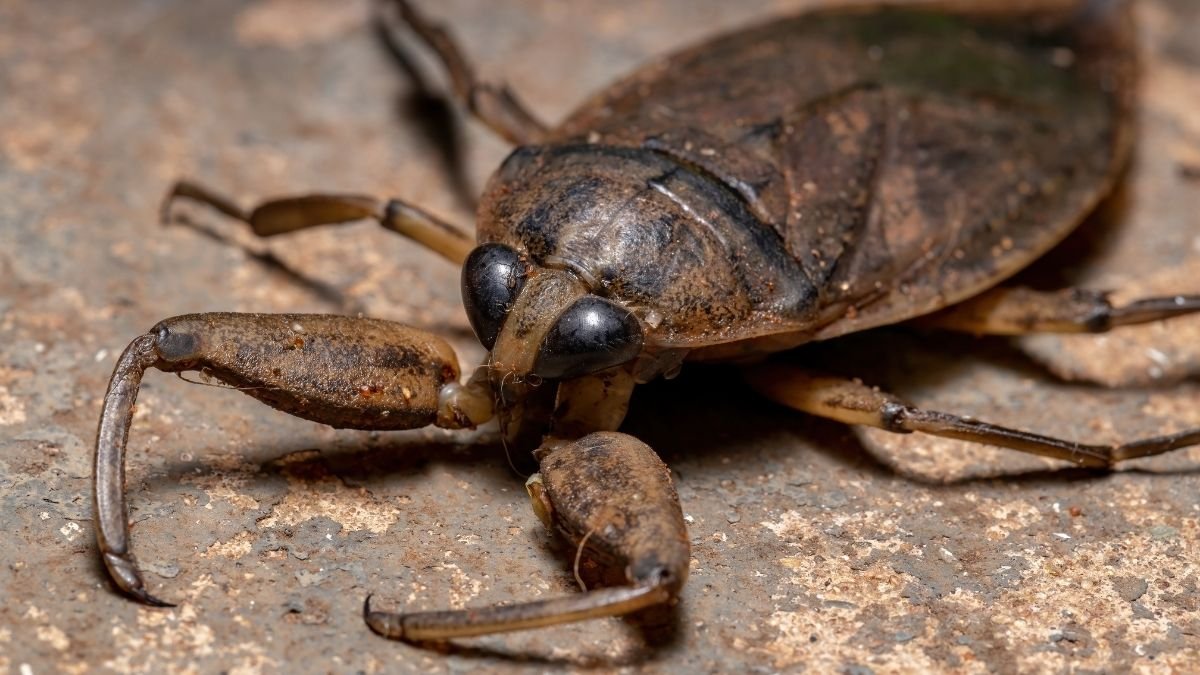
True water bugs belong to the insect order Hemiptera, the “true bugs.” The best-known group is the giant water bug family (Belostomatidae). According to Library and Archives Canada’s biodiversity records, the giant water bug Lethocerus americanus is widespread in Canada and reaches about 65 mm in length, which makes it one of the largest insects in North America.
These insects are built for hunting in water. Their front legs grab prey, much like a praying mantis, and their flattened hind legs work as paddles. They breathe air through a short tube at the tip of the abdomen, which acts like a snorkel.
Common Misconceptions
Three ideas cause most of the confusion:
- “Water bugs are a kind of cockroach.” They are not. They belong to a different insect order and have a different life.
- “Water bugs live in sewers and drains.” The nickname “sewer cockroach” is attached to both insects, but true water bugs prefer ponds, marshes, and slow streams.
- “A water bug in the house means an infestation.” A true water bug indoors is usually a lost flier that followed a light. A dark roach near a drain is a different story.
How Can You Identify a Water Bug?
Physical Features
A true giant water bug is flat, oval, and tan to dark brown. It has thick, hooked front legs and a short, sharp beak tucked under the head. Its antennae are very short and hard to see, which is the quickest way to separate it from a cockroach. Adults in Canada commonly measure several centimetres, so a bug that size near water is a strong clue.
Behavioural Traits
Water bugs ambush prey from underwater plants and grab insects, snails, tadpoles, and small fish. Adults can fly, and they are drawn to bright lights. Library and Archives Canada notes that they are often found stranded on roads and in parking lots after a night flight, which is why people find them on driveways, patios, and around pools.
Oriental cockroaches behave differently. They crawl, cannot fly well, stay close to damp lower levels, and look for food scraps and moisture.
Which Types of Water Bugs Live in Ontario?
Several groups get called water bugs, and they differ a lot in size and risk:
- Giant water bugs (toe-biters): The large predators described above. They are the group most people mean when they search for the term.
- Smaller belostomatid species: Related insects that are much smaller but share the same flat body and grasping front legs.
- Water striders and similar surface insects: Slender bugs that skate on pond surfaces. They are harmless to people.
- Look-alike cockroaches: Oriental and American cockroaches are often labelled “water bugs” because they like damp areas. Invaders Canada’s guide to the types of cockroaches in Ontario shows how to recognize each one.
How Do Water Bugs Differ From Cockroaches?
Key Differences
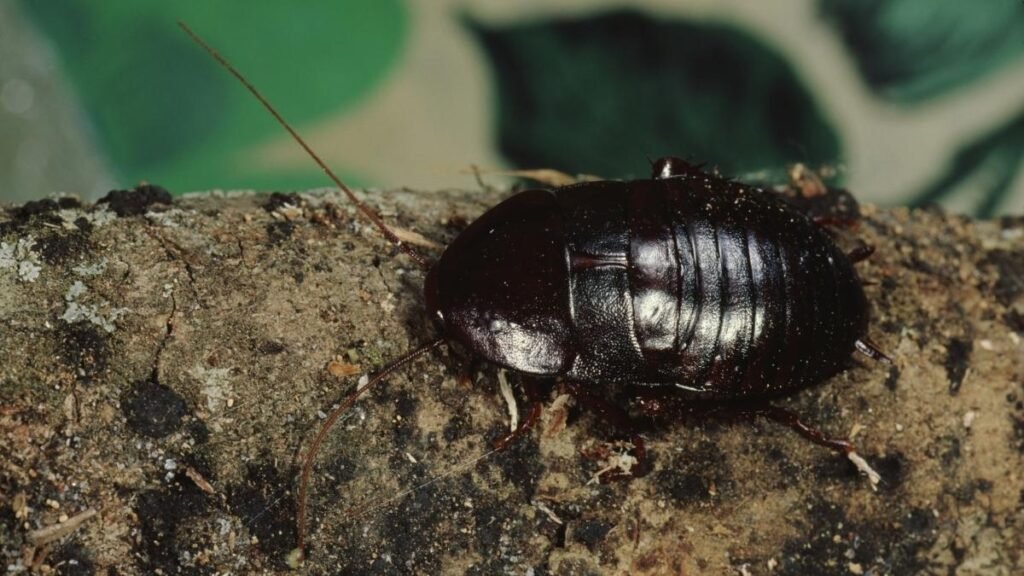
Size, antennae, and habitat give the fastest answer. A true water bug has short antennae, grasping front legs, and a home in standing water. An Oriental cockroach has long, thin antennae and spiny legs for running, and it hides in basements, floor drains, and crawl spaces. Adult Oriental cockroaches are generally around 20 to 25 mm long, noticeably smaller than a mature giant water bug.
Their diets differ too. Water bugs hunt live prey and inject digestive enzymes through their beak. Cockroaches scavenge on food scraps and decaying material. If you are seeing droppings, egg cases, or repeated sightings, read our guide to cockroach infestation signs and prevention, because that pattern points to a roach problem rather than a pond visitor.
Comparing Water Bug vs. Oriental Cockroach
| Feature | True water bug | Oriental cockroach |
|---|---|---|
| Typical size | Several cm (giant species up to about 65 mm) | About 20 to 25 mm |
| Antennae | Very short, hard to see | Long and thin |
| Front legs | Thick, hooked, for grabbing prey | Spiny, for running |
| Habitat | Ponds, marshes, slow streams | Damp basements, drains, crawl spaces |
| Diet | Live prey such as insects and tadpoles | Food scraps and decaying matter |
| Flight | Strong flier, attracted to lights | Poor or no flight |
| Indoor risk | Occasional accidental visitor | Can establish a household infestation |
Are Water Bugs Dangerous?
Potential Threats to Humans
True water bugs do not hunt people. The risk comes from handling or stepping on one. A giant water bug can deliver a very painful bite with its beak, and the nickname “toe-biter” comes from swimmers and waders who surprise one in shallow water. Reported symptoms include sharp pain, swelling, and tingling around the bite. In most cases the injury is not considered medically serious.
If you are bitten, wash the area, apply ice, and use an over-the-counter pain reliever as directed on the label. Seek medical care if you notice hives, widespread itching, or trouble breathing, since rare allergic reactions are possible.
The bigger household health concern comes from the look-alike. Health Canada explains that cockroaches can contaminate food and food-preparation areas, and that people with asthma may react to their droppings and body parts.
Scientific Studies and Data
Published case reports describe giant water bug bites as intensely painful but usually short-lived, and most resolve within hours without treatment. Antihistamines have not reliably relieved the pain in the reports available. Because case counts are small, treat these findings as a general guide rather than a prediction for any one person.
What Role Do Water Bugs Play in the Ecosystem?
Role in the Ecosystem
Water bugs are predators in ponds and wetlands. They feed on mosquito larvae, snails, tadpoles, and other small animals, which helps keep those populations in check. In turn, they become food for fish, birds, and other wildlife.
Benefits and Drawbacks
The upside is natural control of some nuisance insects. The drawback is that a large water bug can also prey on tadpoles and small fish, which matters if you keep a backyard fish pond. Their night flights to lit areas can also startle people, though the insects are not seeking out homes.
What Is the Water Bug Life Cycle?
Stages of Development
Water bugs develop through three stages: egg, nymph, and adult. Nymphs look like small, wingless versions of adults and hunt in the same way. They molt several times as they grow.
Reproduction and Growth
Egg-laying habits vary by species. Some females lay clusters of eggs on plants just above the waterline, while others glue eggs to the back of the male, who carries them until they hatch. Eggs can hatch in one to two weeks, and young bugs may mature in one to two months, with an adult lifespan of roughly a year. In Canada, adults are most visible from late spring through fall, and they overwinter by burrowing into mud and plant debris, so sightings drop off as the weather cools.
Oriental cockroaches follow a slower, seasonal cycle. A female produces several egg capsules, and nymphs can take about a year to reach adulthood, so a small indoor group can grow quietly in a damp basement.
How Do You Get Rid of Water Bugs?
Effective Methods
Start by identifying what you actually have. If it is a true water bug that flew in, the simplest approach is to scoop it into a container with a piece of cardboard and release it near a pond or wet area, or dispose of it. Avoid handling it with bare hands.
If it is a roach, the steps change. Fix leaks, reduce basement humidity, seal gaps around pipes and foundations, and clear food sources. Health Canada also advises combining cleaning with pesticides, since sprays alone rarely succeed when the living conditions stay the same. Some homeowners are surprised to see more insects right after a treatment, and we explain why you may see more bugs after pest control and what that activity usually means.
Professional Pest Control Options
Call a professional if you see repeated dark roaches in a basement, droppings, egg cases, or activity in more than one room. A technician can identify the species, trace the moisture or entry point, and choose a treatment plan. Invaders Canada’s cockroach control service covers Oriental, American, and German cockroaches across Toronto and the GTA. Not sure what you found? Take a clear photo with a coin beside it for scale, and our team can help confirm it during a free inspection.
How Can You Prevent Water Bugs?
Home Maintenance Tips
- Repair leaking pipes, taps, and sump areas.
- Use a dehumidifier in damp basements and run water through rarely used floor drains.
- Seal cracks in foundations and gaps around utility lines.
- Install door sweeps and repair torn window screens.
- Store food in sealed containers and take garbage out regularly.
Environmental Adjustments
Outdoors, reduce standing water and swap bright white or blue outdoor lights for yellow bulbs, which tend to attract fewer insects. Keep firewood and leaf piles away from exterior walls. A layered approach that combines these steps with targeted treatment is the idea behind integrated pest management, which focuses on fixing the conditions that attract pests in the first place.
Bottom Line
True water bugs are pond predators that wander toward lights, and they are a bite risk mainly if handled. The dark, shiny insect people find in a Toronto basement is usually an Oriental cockroach, and that one calls for moisture control and often professional treatment. Check the antennae, size, and location, and when in doubt, get it identified before treating it.
FAQs
Are water bugs and cockroaches the same thing?
No. True water bugs are aquatic insects with short antennae and grasping front legs, while cockroaches are land insects with long antennae. The confusion comes from the nickname, since Oriental and American cockroaches are often called “water bugs” because they like damp spaces.
Can water bugs get inside a Toronto or GTA home?
A true water bug can fly in through an open door or window after being drawn to a light, but it is not looking for a home and does not breed indoors. Repeated dark bugs in a basement or near a drain are more likely cockroaches.
Do water bugs bite?
They can, usually when picked up or stepped on. The bite is described as very painful but is generally not considered dangerous. Wash the area and use ice, and see a doctor if you notice hives or breathing difficulty.
Why do I see water bugs in Ontario at certain times of year?
Adults are most active from late spring through fall, and they fly at night toward lights while searching for mates and new ponds. As temperatures drop, they settle into mud and plant debris, so sightings in late fall and winter are much less common.
How much does it cost to treat a basement cockroach problem in the GTA?
Cost depends on the species, the size of the problem, and the number of visits needed. A free inspection lets a technician see the moisture sources and activity before giving a quote.