
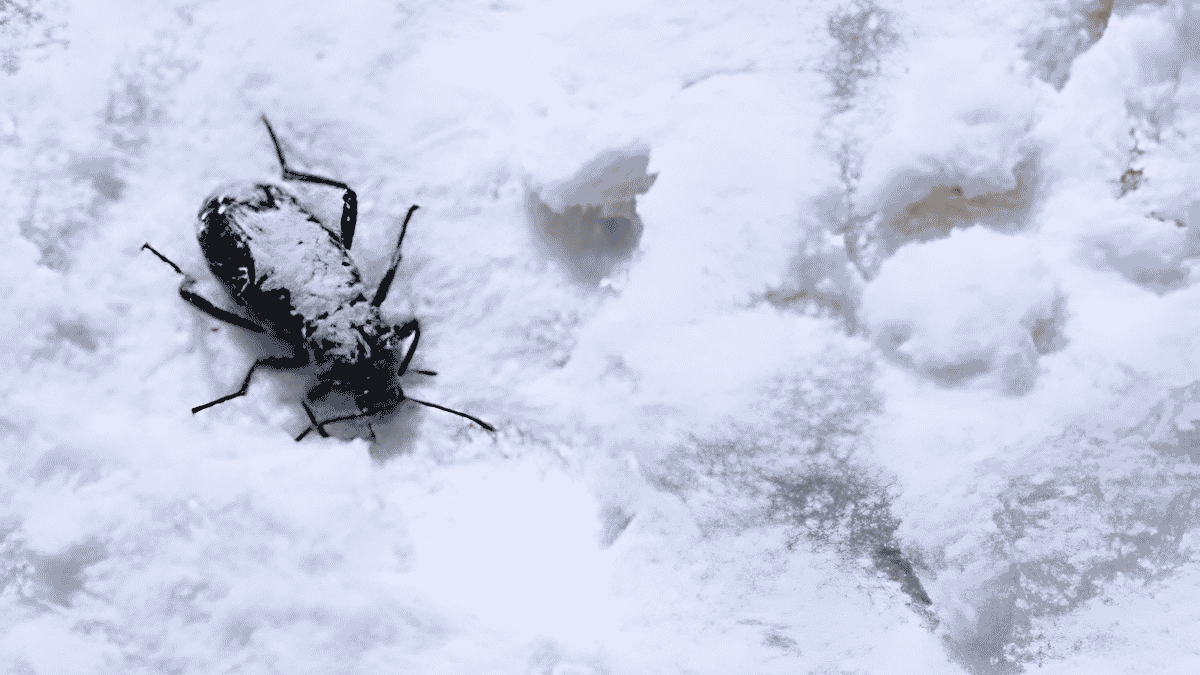
When temperatures plummet across Canada, most of us retreat indoors to stay warm. Unfortunately, we’re not alone in seeking shelter from the harsh winter elements. Winter pests actively search for warm, protected environments with easy access to food and water, and your home provides the perfect refuge.
Understanding winter pest problems becomes crucial here. This comprehensive post explores the most common winter pests in Canada and provides actionable prevention methods to keep your home pest-free.
Why Winter Pests Invade Canadian Homes
Canadian winters are unforgiving, with sub-zero temperatures, snow, and freezing rain making outdoor survival nearly impossible for many pest species. Unlike summer infestations, winter pest control issues often happen inside walls, basements, attics, and crawl spaces. Once inside, these unwelcome guests can multiply quickly, causing both structural damage and health risks.
Pests seek warmth and shelter when outdoor temperatures become life-threatening, and rodents and insects will exploit even the smallest openings to escape freezing conditions. Limited food and water sources outdoors drive pests to seek consistent access to kitchens, storage areas, and mechanical rooms inside heated buildings.
The problem intensifies because wall voids, insulation, basements, and crawl spaces provide protected nesting areas where infestations can grow unnoticed until they become severe. During winter, reduced activity in some buildings gives pests uninterrupted time to establish colonies, making early detection and prevention critical.
The Most Common Winter Pests in Canada
1. Rodents (Mice and Rats)
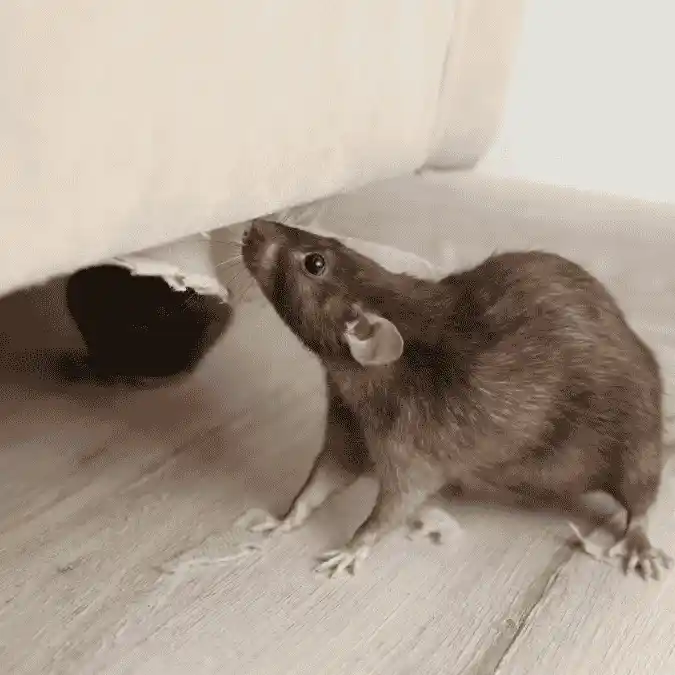
Rodents are the most frequent winter pest problem in Canada. Both house mice and Norway rats seek shelter indoors during fall and winter, and they don’t hibernate. Instead, they remain active throughout the cold season.
Key Facts About Rodent Infestations:
- Rats can squeeze through an opening as small as a quarter, while mice can get through a hole the size of your pinky
- A single mouse can produce 200 offspring within four months
- The deer mouse is the most common carrier of the deadly hantavirus
- Rodents carry deadly diseases, can contaminate food, and can also cause damage by gnawing through electrical wiring and chewing holes in the structure of your home
Toronto was recently named Canada’s rattiest city for the fourth consecutive year, highlighting the significant rodent challenges facing urban Canadian areas. The increase in rodent activity correlates directly with population density, construction activity, and readily available food sources in urban environments.
2. Cockroaches
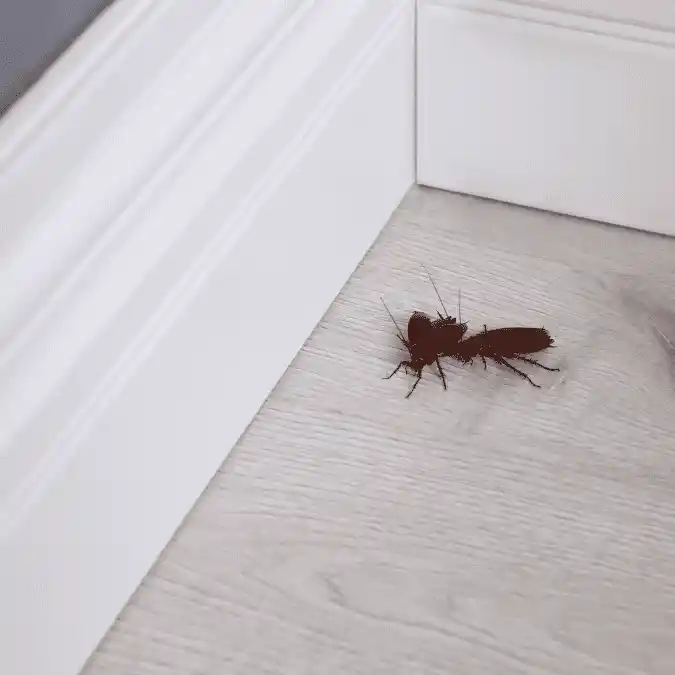
Cockroaches cannot survive freezing temperatures outdoors, which is why they move indoors during winter. They thrive in warm, humid environments and spread quickly, especially in multi-unit residential buildings and commercial properties.
These resilient pests contaminate food surfaces, spread bacteria, and trigger allergies and asthma in sensitive individuals. Once established, cockroach infestations require professional treatment for effective elimination.
3. Cluster Flies
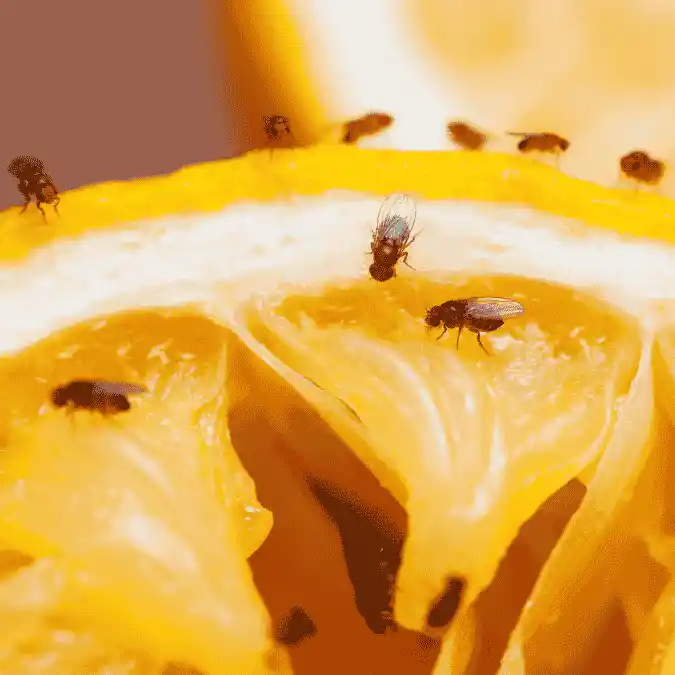
Cluster flies are a common winter nuisance in Canada, entering homes in fall and hibernating inside walls or attics. On warmer winter days, they may appear near windows in large numbers, creating frustration for homeowners. While they don’t bite or spread diseases, their presence can be unsettling, and dead flies can attract other pests.
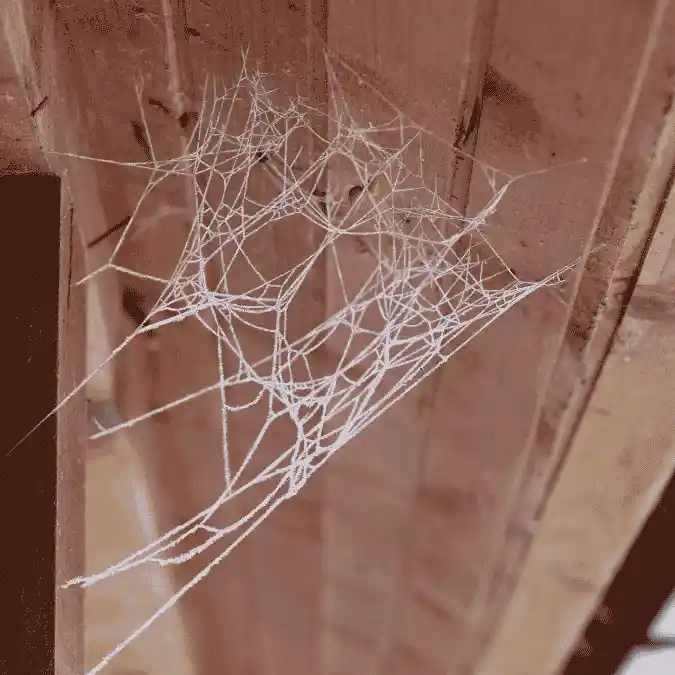
4. Spiders
Most Canadian spiders are harmless, but their presence often causes distress. Spiders often move indoors before winter begins and are usually a secondary pest issue, feeding on other insects inside the home. Removing spiders typically requires addressing the underlying insect population that attracts them.
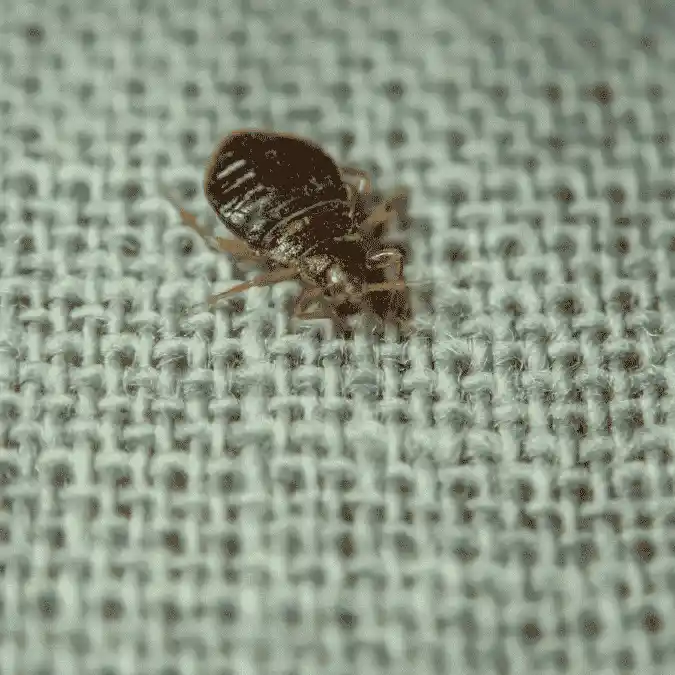
5. Bed Bugs
Bed bugs are not seasonal pests, but winter travel and indoor heating can increase infestations. Holiday travel and increased indoor entertaining create opportunities for these pests to spread. They hide in mattresses, furniture, and wall cracks, making professional treatment essential for effective removal.
Warning Signs of Winter Pest Infestations
Early detection is crucial for managing pest control winter challenges effectively. Watch for these common indicators:
Physical Evidence:
- Small, dark droppings (pellet-shaped for rodents)
- Gnaw marks on food packaging, wood, or wires
- Grease marks or rub marks along walls and baseboards
- Shredded paper, fabric, or insulation (nesting materials)
- Dead insects near windows or light fixtures
Auditory Clues:
- Scratching or scampering sounds in walls or ceilings, especially at night
- Squeaking or chirping noises
Other Indicators:
- Unusual odors (particularly from rodent urine or dead pests)
- Damaged food packages in pantries
- Tracks on dusty surfaces
If you notice any of these warning signs, immediate action is necessary. Winter pest infestations in Canada escalate quickly, and delaying action often allows infestations to spread deeper into the structure, making them harder to remove.
Comprehensive Winter Pest Prevention Strategies
Prevention is the most cost-effective approach to winter pest control. Implement these proven strategies to protect your home:
Seal Entry Points
Conduct a thorough inspection of your home’s exterior, focusing on potential entry points:
- Seal openings with weather-resistant sealant reinforced with steel wool so rodents can’t gnaw through
- Inspect foundations for cracks or crevices
- Check and repair door sweeps and weatherstripping
- Cover all vents, including dryer vents and attic vents, with wire mesh
- Install chimney caps to prevent pest access
- Fill gaps around utility pipes and cables with steel wool before caulking
Remember that rodents in winter are remarkably persistent. Any opening larger than 1.75 cm (the width of a nickel) can allow mice entry, while rats need only slightly larger openings.
Maintain Cleanliness and Eliminate Food Sources
Proper sanitation removes the food and water that attract winter pests:
- Store food in airtight containers, including pet food
- Clean up spills and crumbs immediately after meals
- Take garbage out regularly using bins with tight-fitting lids
- Don’t leave dirty dishes sitting overnight
- Remove outdoor food sources like bird feeders during peak rodent activity months
- Fix leaking pipes and faucets to eliminate water sources
Reduce Outdoor Attractants
Your exterior landscape can either invite or deter pests:
- Keep firewood stacked at least 20 feet from your home’s exterior
- Trim tree branches and vegetation away from your home
- Maintain a clear zone around your foundation
- Store garbage cans away from the house with secure lids
- Remove yard debris and leaf piles where pests can shelter
Organize Indoor Storage Areas
Cluttered spaces provide ideal hiding spots for winter pests:
- Use plastic storage bins instead of cardboard boxes in basements and attics
- Elevate stored items off the floor
- Regularly inspect and clean storage areas
- Eliminate clutter that creates hiding spaces
Address Moisture Issues
Many pests, particularly cockroaches, are attracted to moisture:
- Use dehumidifiers in damp basements and crawl spaces
- Ensure proper ventilation in attics and bathrooms
- Repair leaking pipes promptly
- Check for condensation issues around windows and pipes
Winter Pest Entry Points
Understanding where pests gain access helps you focus your prevention efforts effectively. Here’s a comprehensive table of common entry points and prevention measures:
| Entry Point | Pest Types | Prevention Method | Priority Level |
|---|---|---|---|
| Foundation cracks | Mice, rats, insects | Seal with weather-resistant caulk + steel wool | High |
| Door gaps | All pests | Install/replace door sweeps and weatherstripping | High |
| Window frames | Insects, small rodents | Repair screens, seal gaps with caulk | Medium |
| Utility openings | Mice, rats | Fill around pipes with steel wool before sealing | High |
| Attic vents | Rodents, birds, insects | Cover with 1/4-inch wire mesh | High |
| Dryer vents | Rodents, insects | Install vent covers, inspect regularly | Medium |
| Chimney | Birds, rodents, raccoons | Install chimney cap | Medium |
| Roof damage | Rodents, birds, insects | Repair damaged shingles/fascia promptly | High |
| Garage doors | All pests | Add weatherstripping, keep door closed | Medium |
| Crawl spaces | Rodents, insects | Install vapor barrier, seal access points | High |
When to Call Professional Pest Control
While prevention is crucial, some situations require professional intervention. Professional pest control ensures complete removal and long-term prevention, particularly when dealing with established winter infestations.
Contact a licensed pest control professional if you experience:
- Multiple live rodent sightings, especially during daytime
- Rapid increase in pest activity or sightings
- Evidence of nesting inside your home
- Persistent problems despite DIY efforts
- Droppings or damage near food storage areas
- Scratching sounds inside walls or ceilings
- Signs of structural damage from chewing or tunneling
Professional emergency pest control focuses on removal, containment, and prevention at the same time, which is essential during winter. Experts can identify pest species, locate nesting areas, seal entry points properly, and implement treatment strategies suitable for winter conditions and indoor environments.
The Health Risks of Winter Pest Infestations
Understanding the health implications underscores the importance of prompt pest control action:
Disease Transmission:
- Rodents can transmit Hantavirus, Salmonella, and other serious diseases
- Cockroaches spread bacteria and trigger allergic reactions
- Pest droppings and urine contaminate food preparation surfaces
Structural Damage:
- Rodents chew electrical wiring, creating fire hazards
- Carpenter ants and termites continue destroying wood even in winter
- Persistent chewing damages insulation, drywall, and structural elements
Secondary Infestations:
- Rodents bring parasites like fleas, ticks, and mites into homes
- Dead pests attract other insects if not properly removed
Creating Your Winter Pest Control Action Plan
Implement a systematic approach to winter pest management:
Fall Preparation (September-October):
- Conduct thorough exterior inspection
- Seal all identified entry points
- Trim vegetation and remove yard debris
- Clean and organize storage areas
- Schedule professional inspection if needed
Active Winter Monitoring (November-March):
- Perform monthly interior inspections
- Check for signs of pest activity
- Maintain consistent cleaning routines
- Monitor previously sealed areas for new gaps
- Respond immediately to any warning signs
Spring Follow-up (April-May):
- Reassess winter damage and pest activity
- Repair any new structural damage
- Clean areas affected by winter pests
- Prepare for seasonal pest transitions
Protect Your Home This Winter
Winter pest problems in Canada are more than just a nuisance—they represent serious health and property risks that escalate quickly in cold weather. In Canada, winter pests do not leave on their own. Once they establish themselves indoors, professional intervention is often necessary for complete removal.
At Invaders Canada, we understand the unique pest control winter challenges facing Canadian homeowners. Our experienced team provides comprehensive inspection, treatment, and prevention services designed specifically for harsh Canadian winters. Don’t wait until a minor pest sighting becomes a major infestation—take proactive steps now to protect your home, health, and family.
Contact Invaders Canada today for professional winter pest control services. Our experts are ready to help you maintain a pest-free home throughout the coldest months of the year.
About Invaders Canada
We provides reliable, effective pest control services tailored to Canadian homes and businesses. Our trained professionals use advanced, safe treatment methods to eliminate infestations and prevent future pest problems. Visit us to learn more about our comprehensive pest management solutions.
FAQs
What are the winter pests?
The most common winter pests in Canada are mice, rats, cockroaches, cluster flies, spiders, and bed bugs. These pests seek warmth, food, and shelter inside heated buildings during cold weather.
What bugs are still active in winter?
Cockroaches, cluster flies, spiders, bed bugs, and certain ant species remain active indoors during Canadian winters. They thrive in heated homes and don’t hibernate like outdoor insects.
Why are there so many bugs in my house during winter?
Bugs invade your house in winter because freezing outdoor temperatures force them to seek warmth and food. Your heated home provides ideal survival conditions they can’t find outside.
Can pest control be done in winter?
Yes, pest control works effectively in winter—often better than summer. Winter pests are trapped indoors, making them easier to locate and eliminate. Professional treatment prevents spring infestations too.
What is the hardest pest to get rid of?
Bed bugs are the hardest winter pest to eliminate. They hide in tiny cracks, reproduce quickly, and resist many DIY treatments. Professional heat treatment or chemical application is usually necessary.