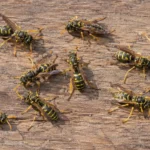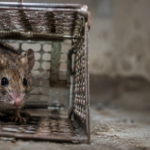
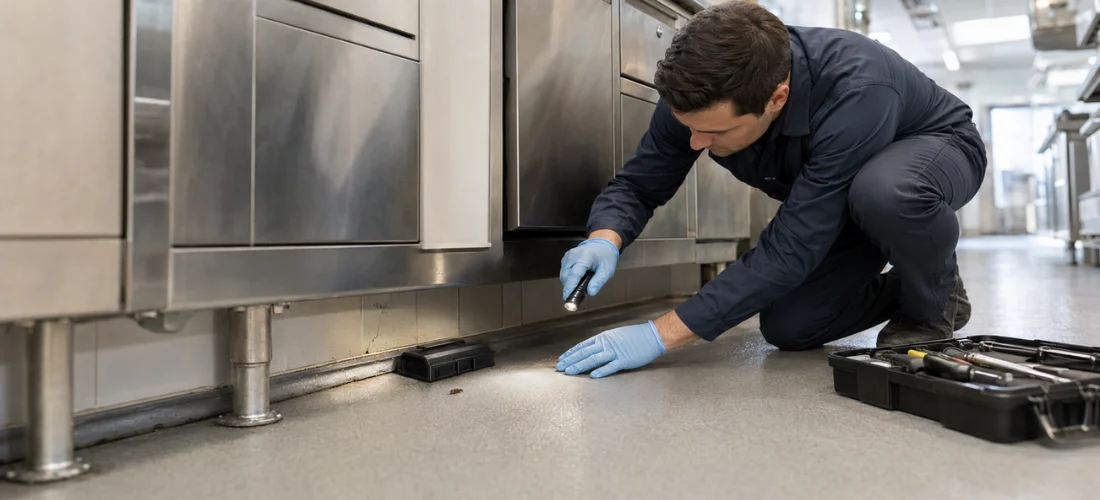
Effective pest management combines accurate identification, careful monitoring, targeted action, and ongoing evaluation to control pests without creating unnecessary risks. Instead of reacting to every sighting with the same method, trained technicians study the site, determine why activity is occurring, and select measures suited to the pest, property, and level of risk.
Pest problems are rarely caused by a single condition. Professional pest management uses evidence, biological knowledge, and site-specific decision-making to address both active pests and the conditions supporting them. A successful program considers the pest species, population size, life cycle, access routes, available food and water, building use, and potential risk to occupants.
This structured approach helps avoid repeated applications that provide only temporary relief. Modern pest management is therefore less about simply applying products and more about making informed decisions. Each action should have a clear purpose, measurable outcome, and appropriate follow-up process.
What Is Professional Pest Management?
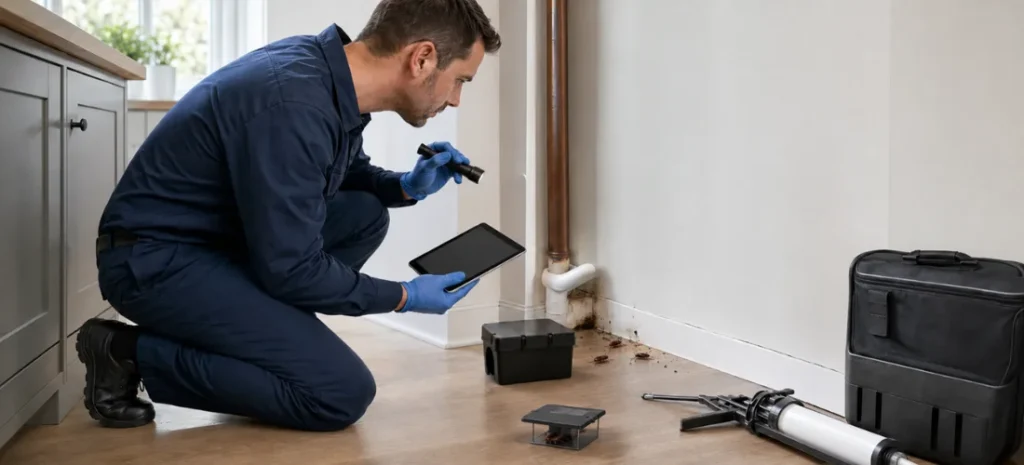
Professional pest management is a systematic process for identifying, assessing, controlling, and monitoring pests in residential, commercial, industrial, and public environments. It combines technical knowledge with practical measures designed for the conditions at a particular property.
The process may include sanitation improvements, physical barriers, habitat modification, trapping, heat, mechanical removal, biological controls, and carefully selected pesticides. These methods are not automatically used together. The technician chooses them according to the pest, location, severity, and potential exposure risks.
This approach is closely connected to Integrated Pest Management, commonly known as IPM. It is an environmentally sensitive approach that uses information about pest life cycles and environmental interactions to manage damage economically while reducing hazards to people, property, and the environment.
The goal is not always to eliminate every organism from a site. In some outdoor or agricultural environments, that may be unrealistic or ecologically undesirable. The objective is to reduce pest activity to an acceptable level while protecting health, property, products, and daily operations.
The Science Behind Effective Pest Management
Good pest decisions begin with biology. Different species behave differently, even when they appear similar to an untrained observer. Treating the wrong species wastes time, increases costs, and can make the original problem worse.
Pest Identification
Correct identification determines nearly every decision that follows. A technician may examine physical specimens, droppings, shed skins, nesting material, damage patterns, tracks, or photographs. Magnification tools and identification keys may be used when visual differences are difficult to detect.
Species-level identification can reveal:
- Where the pest is likely to hide.
- What it eats.
- When it is most active.
- How quickly it reproduces.
- Which conditions support it.
- Which control methods are likely to work.
- Whether it presents a health or structural risk.
For example, several cockroach species can enter buildings, but their preferred environments differ. German cockroaches commonly establish themselves near indoor food and moisture sources, while some larger species are more closely associated with drains, basements, or outdoor conditions. Applying an identical response to both situations would overlook important behavioural differences.
Life Cycles and Reproduction
Pest control science also considers the developmental stages of the target organism. Eggs, larvae, nymphs, pupae, and adults may respond differently to the same control method.
An application that affects exposed adults may not reach protected eggs. New individuals can then appear days or weeks later, creating the impression that the service failed. In reality, the initial action may have affected only one stage of the population.
Technicians use life-cycle information to determine the timing of follow-up visits, the placement of monitoring devices, and whether multiple control methods are needed. This is especially important for pests with rapid reproduction rates or for those with protected developmental stages.
Behaviour and Movement
Pest behaviour helps technicians locate harbourage areas and predict movement. Rodents often travel along edges and established routes. Cockroaches seek narrow spaces near warmth, moisture, and food. Bed bugs tend to remain near resting areas but may spread through furniture, luggage, gaps in walls, or adjoining rooms.
Understanding these patterns improves the placement of traps, baits, monitors, and physical barriers. It also reduces unnecessary work in areas where activity is unlikely.
Behaviour can change when pests are disturbed or exposed to ineffective measures. Poorly positioned traps, excessive repellent products, or incomplete sealing may redirect activity rather than resolve it. A scientifically informed response anticipates these effects.
Stages of a Professional Pest Management Strategy
A reliable pest management strategy follows a repeatable decision-making process. Although the exact methods vary, most successful programs include assessment, identification, risk evaluation, control, monitoring, and documentation.
1. Detailed Site Assessment
The first inspection establishes what is happening and why. A technician examines areas where pests may enter, feed, drink, hide, nest, or travel.
The assessment may cover:
- Doors, windows, vents, and utility penetrations.
- Rooflines, foundations, wall gaps, and drainage systems.
- Kitchens, storage rooms, basements, and service areas.
- Waste-handling practices.
- Moisture sources and plumbing leaks.
- Landscaping and vegetation near the structure.
- Food storage and stock rotation.
- Existing traps, pesticides, or previous repair work.
- Evidence reported by occupants or employees.
The technician should distinguish confirmed evidence from assumptions. A single insect near an open door does not always indicate an established infestation. Likewise, an absence of visible pests during daylight does not prove that a site is clear.
2. Identification of Contributing Conditions
Pests remain where they can meet their basic needs. Food residue, standing water, clutter, damaged seals, overflowing waste containers, and hidden voids can all make a property more suitable for them.
Correcting these conditions can be more important than applying a control product. The technician separates immediate evidence from underlying causes. This creates a clearer path toward lasting control.
3. Risk Assessment and Action Thresholds
Not every pest sighting requires the same level of response. Professionals assess the species, population, location, likelihood of spread, and consequences of allowing the activity to continue.
A low level of outdoor activity may justify monitoring and habitat changes. The same activity in a hospital, food-production area, childcare facility, or pharmaceutical environment may require immediate action.
An action threshold is the point at which pest activity or site conditions justify intervention. Thresholds help prevent both delayed responses and unnecessary applications. They can be based on health concerns, property damage, regulatory requirements, customer tolerance, or operational risk.
4. Creating a Site-Specific Plan
Once the evidence has been evaluated, the technician develops a treatment plan that identifies the target pest, affected locations, selected methods, safety considerations, preparation requirements, and follow-up schedule.
The plan should answer several practical questions:
- What is the confirmed pest?
- Where is activity concentrated?
- Which conditions are supporting it?
- What level of control is required?
- Which methods are appropriate?
- How will occupants or operations be protected?
- What responsibilities belong to the technician or property manager?
- How will results be measured?
A written approach is particularly valuable for commercial properties, where several employees, contractors, or departments may be involved.
Choosing the Right Control Methods
Professional pest control does not depend on a single technique. Effective programs use the least disruptive combination capable of producing the required result.
| Control category | Common examples | Primary purpose | Important consideration |
|---|---|---|---|
| Sanitation | Removing residue, improving waste handling, reducing clutter | Remove food and harbourage | Requires continued cooperation |
| Exclusion | Sealing cracks, fitting door sweeps, screening vents | Block entry and movement | Repairs must match pest size and behaviour |
| Mechanical control | Traps, vacuums, barriers, manual removal | Capture or physically remove pests | Placement strongly affects performance |
| Environmental modification | Reducing moisture, improving ventilation, changing landscaping | Make the site less suitable | May require building or maintenance work |
| Biological control | Predators, parasites, or microbial agents | Suppress selected populations | More common in agricultural settings |
| Heat or cold | Controlled temperature exposure | Kill susceptible life stages | Temperature must reach all affected areas |
| Chemical control | Baits, dusts, growth regulators, targeted sprays | Reduce or eliminate active populations | Product, dose, placement, and label compliance matter |
| Monitoring | Traps, sensors, visual checks, activity logs | Measure location and change | Does not always provide control by itself |
Non-Chemical Measures
Non-chemical methods often provide the foundation for long-term control. They remove the conditions pests rely on and reduce the likelihood of reinfestation.
Examples include sealing pipe gaps, repairing screens, installing door sweeps, cleaning food residue, drying damp areas, vacuuming insects, removing infested materials, and repositioning waste containers.
These measures are not automatically simple. Sealing an opening before confirming whether animals are inside can trap them within the structure. Moving infested items without containment can spread pests to new rooms. Correct timing and technique remain important.
Targeted Pesticide Use
Pesticides can be valuable when selected and applied appropriately. The product must be registered for the intended use, suitable for the target species, and applied according to its label.
Professionals consider the formulation as well as the active ingredient. Baits, gels, dusts, aerosols, residual liquids, and insect growth regulators behave differently. The best option depends on the pest’s feeding habits, harbourage, movement, and surrounding environment.
More pesticide does not necessarily produce better control. Excessive or poorly placed material may increase exposure, contaminate surfaces, repel pests from intended areas, or interfere with bait acceptance. Targeted placement generally provides better control than broad, routine application.
Monitoring and Measuring Results
A service is not complete simply because an application has been made. Results must be checked.
Monitoring may involve trap counts, bait consumption, visual evidence, occupant reports, sensor data, or changes in damage. The information helps determine whether activity is declining, moving, or remaining unchanged.
Professionals compare findings over time rather than relying on a single observation. For example, three captures in one week may be encouraging if the previous count was twenty, but concerning if the earlier count was zero.
Follow-up findings can reveal several possibilities:
- The selected method is working.
- Additional time is needed.
- Untreated harbourage remains.
- New pests are entering the site.
- Sanitation or repairs have not been completed.
- The pest was incorrectly identified.
- Resistance or avoidance is affecting the result.
- Activity has shifted to another area.
The strategy can then be adjusted using evidence rather than guesswork.
Documentation and Communication
Records turn individual service visits into a coordinated program. They are particularly important in food facilities, healthcare buildings, rental properties, warehouses, schools, and other managed environments.
Useful records may include:
- Date and time of service.
- Areas examined.
- Pest evidence found.
- Device locations and counts.
- Products applied.
- Application locations and quantities.
- Contributing conditions.
- Recommended repairs or cleaning.
- Occupant reports.
- Follow-up results.
- Corrective actions and responsible parties.
Clear communication is equally important. Technicians should explain what was found, what action was taken, what occupants need to do, and when results should be expected.
Instructions should be specific. “Improve sanitation” is less useful than identifying the exact spill, storage practice, or waste area requiring correction. Detailed recommendations make responsibilities easier to understand and verify.
Resistance, Safety, and Environmental Responsibility
Repeated use of the same pesticide or control approach can place selection pressure on pest populations. Individuals that survive may reproduce, making future control more difficult.
Resistance management may involve rotating appropriate modes of action, using non-chemical measures, improving application accuracy, and removing conditions that continuously support the population. Products should not be changed randomly. Decisions must reflect the target pest, label requirements, and evidence from the site.
Safety also extends beyond product choice. Technicians must consider occupants, pets, food, ventilation, sensitive equipment, water, pollinators, and nearby habitats. Hospitals, schools, food facilities, and homes with vulnerable residents may require additional precautions.
Prevention aims to reduce the opportunity for pest activity before repeated interventions become necessary. When access, food, moisture, and harbourage are reduced, the property becomes less dependent on routine chemical applications.
How to Evaluate a Pest Management Provider?
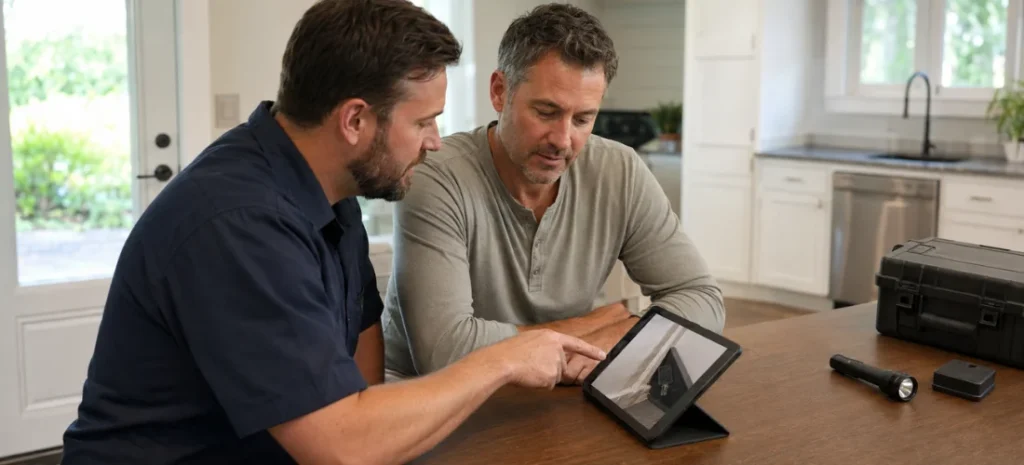
A competent provider should be able to explain the reasoning behind the service. Customers should not be left with only a product name or invoice.
Look for a provider that:
- Uses trained and appropriately licensed technicians.
- Identifies the pest before recommending control.
- Examines contributing conditions.
- Explains available options and limitations.
- Provides clear safety and preparation instructions.
- Uses targeted methods.
- Documents findings and actions.
- Schedules follow-up when necessary.
- Measures results rather than promising instant outcomes.
- Offers practical recommendations for reducing recurrence.
Be cautious of guarantees that ignore pest type, building condition, occupant cooperation, or surrounding activity. Some problems can be resolved quickly, while others require several visits and structural corrections.
Investing in professional pest management services is essential, and Invaders Canada is the right company for the job. Homeowners and property owners can keep their spaces pest-free with our advanced techniques, useful solutions, and preventive measures.
Whether you need a simple inspection or a detailed strategy to get rid of a stubborn infestation, we can help. Contact us today for further information.
Conclusion
To conclude, professional pest management is a continuous process of identifying the pest, understanding the site, selecting appropriate controls, and measuring the outcome. Its value comes from informed decisions rather than the amount of product applied. A well-managed program addresses both current activity and the conditions allowing it to continue. With accurate diagnosis, targeted action, clear communication, and consistent follow-up, homes and businesses can reduce pest risks while protecting people, property, and the surrounding environment.
FAQs
How often should a property receive pest management service?
Service frequency depends on the pest, property type, surrounding conditions, previous activity, and risk level. Some sites need occasional visits, while high-risk facilities require regular monitoring.
Can all pest problems be resolved in one visit?
No. Some minor issues may be resolved quickly, but established infestations often require follow-up because pests have protected hiding places or multiple developmental stages.
Are pesticides always necessary?
No. Sealing gaps, removing food sources, correcting moisture, trapping, heat, and sanitation may resolve or reduce many problems without extensive pesticide use.
Why do pests sometimes appear after a service?
Activity may temporarily become more visible when pests are disturbed. Newly hatched individuals, untreated hiding places, or continued entry can also cause later sightings.
What should property occupants do between visits?
Follow preparation instructions, maintain clean storage areas, report new evidence, avoid moving monitoring devices, complete recommended repairs, and keep food and waste securely contained.