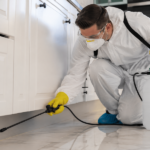
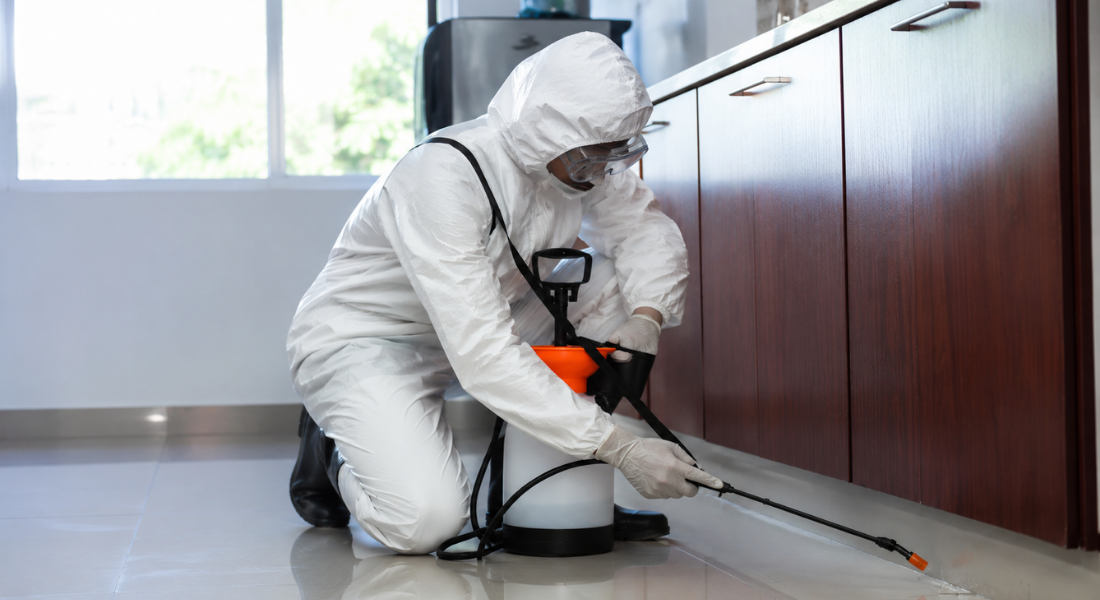
Pest damage spreads faster in homes, commercial spaces, gardens, and overall environments. Using sprays or chemicals is not the right answer to this problem. Instead, choosing a balanced approach like Integrated Pest Management or IPM is the right solution. It is an eco-friendly procedure that combines prevention, monitoring, and targeted treatments. Learning about different pests help adjust your strategies and treatments accordingly. Investing in professional IPM treatments are effective for countless users.
Pests are just smaller in size, but they can create an unimaginable amount of damage. Your property’s structure, food contamination, bacteria, and health risks are all connected to pests. To ensure proper removal of pests, Integrated Pest Management (IPM) is a comprehensive solution. Usually, homeowners invest in a pest prevention strategy when they have already faced immense damage from pest infestations.
But choosing IPM as a smarter solution means a long-term treatment. It is not just about spraying advanced chemicals. Instead, it’s a comprehensive and structured approach to understanding the root cause of what attracts pests and how you can control this issue effectively. But learning about this treatment helps avoid dangerous pests and keep your properties safe.
What Is Integrated Pest Management?
Integrated pest management is a targeted treatment in pest control that combines multiple methods to manage pests most effectively and responsibly. The goal is not simply to kill pests on contact. The goal is to reduce pest activity, prevent future infestations, and use treatments only when they are truly needed.
IPM pest control starts with understanding the pest problem. A technician or property owner identifies the type of pest, checks where it is coming from, looks for food and water sources, and studies the conditions that are helping the pests survive. Once the cause is clear, a practical control plan can be created.
This plan includes sealing entry points, removing clutter, improving sanitation, reducing moisture, using traps, applying targeted treatment, and continuing regular monitoring. Chemical products may still be used, but they are not the first or only step. In an IPM plan, treatment is more precise and focused.
Why Integrated Pest Management Is Smarter Than Traditional Pest Control?
Traditional pest control often focuses on quick treatment. That can be useful in some cases, especially when there is an active infestation. However, quick treatment alone does not always solve the root problem.
Integrated pest management takes a smarter approach because it asks important questions first. Why are pests here? How are they getting inside? What are they eating? Where are they nesting? What conditions need to change?
This makes IPM more strategic and long-lasting. It also helps reduce unnecessary pesticide use because treatments are based on inspection and monitoring, not guesswork.
For homes, this means fewer recurring pest problems. For businesses, it means better protection for staff, customers, products, reputation, and compliance. For food-related businesses, IPM pest control is especially important because pest issues can lead to failed inspections, customer complaints, contamination risks, and damage to brand trust.
The Core Principles of Integrated Pest Management
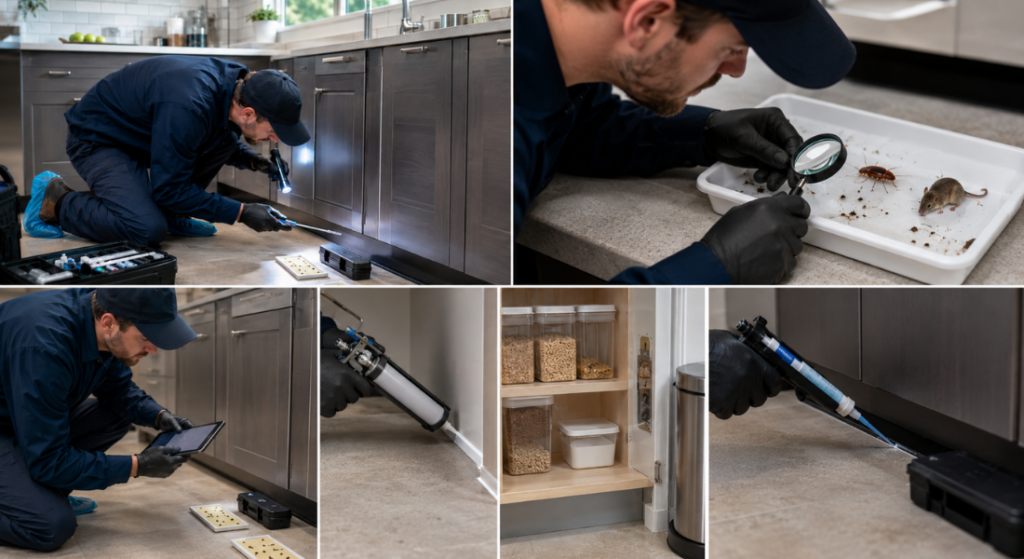
Integrated pest management works because it follows a clear process. Every step matters, and each one helps build a stronger pest prevention strategy.
1. Inspection
Inspection is the foundation of any IPM procedure. Before treatment begins, the property must be carefully checked for pest activity, entry points, nesting areas, moisture problems, food sources, and structural weaknesses.
A proper inspection may include kitchens, bathrooms, basements, attics, storage rooms, garages, crawl spaces, loading areas, garbage zones, drains, wall voids, and exterior foundations. For businesses, inspection also includes high-risk areas such as food storage rooms, break rooms, receiving areas, production zones, and utility rooms.
Without inspection, pest control becomes guesswork. With inspection, the exact source of the problem becomes easier to find.
2. Pest Identification
Different pests require different control methods. Ants, cockroaches, rodents, bed bugs, termites, flies, wasps, and stored-product pests all behave differently. Treating the wrong pest in the wrong way can waste time and money. Correct pest identification helps choose the right monitoring tools, prevention methods, and targeted treatment.
3. Monitoring
Monitoring is one of the most important parts of integrated pest management. It helps track pest activity over time instead of relying only on what is visible during one visit.
Monitoring may include sticky traps, bait stations, rodent stations, insect monitors, digital reporting, visual checks, and regular service visits. These tools show where pests are active, whether the problem is increasing or decreasing, and whether the current strategy is working.
For commercial properties, monitoring also provides useful records. These records can help with audits, health inspections, and internal safety programs.
4. Prevention
Prevention is the heart of IPM pest control. The best pest problem is the one that never becomes a major infestation.
A good pest prevention strategy may include sealing cracks and gaps, repairing door sweeps, fixing damaged screens, improving garbage storage, reducing moisture, cleaning food spills, storing products properly, removing clutter, trimming vegetation, and keeping exterior areas clean.
Prevention is especially important because pests are always looking for three things: food, water, and shelter. Remove those conditions, and the property becomes much less attractive to pests.
5. Targeted Treatment
When treatment is needed, IPM uses targeted treatment instead of broad, unnecessary spraying. This means the treatment is applied where pests are active, where they are hiding, or where they are likely to travel.
Targeted treatment may include gels, baits, dusts, traps, exclusion work, growth regulators, heat treatment, vacuuming, or carefully selected pesticide applications. The method depends on the pest type, infestation level, property type, and safety requirements.
The goal is to control pests effectively while reducing risk to people, pets, products, and the environment.
Integrated Pest Management Process
| IPM Step | What It Means | Why It Matters |
|---|---|---|
| Inspection | Checking the property for pest activity, entry points, food, water, and shelter | Finds the real cause of the problem |
| Identification | Confirming the exact pest species | Helps choose the right control method |
| Monitoring | Tracking activity with traps, checks, and service records | Shows whether pest pressure is rising or falling |
| Prevention | Removing conditions that attract pests | Reduces the chance of future infestations |
| Targeted Treatment | Applying control methods only where needed | Improves results and reduces unnecessary pesticide use |
| Follow-Up | Rechecking and adjusting the plan | Keeps the pest prevention strategy effective over time |
Common Pests Managed With IPM Pest Control
Integrated pest management can be used for many common household and commercial pests. It is flexible because it can be adapted to different pest species and property types.
Cockroaches
Cockroaches are one of the most common pests controlled through IPM. They hide in cracks, drains, appliances, cabinets, and warm, moist areas. They can spread bacteria and trigger allergies.
An IPM approach for cockroaches may include sanitation improvements, moisture control, crack sealing, monitoring traps, and follow-up inspections.
Rodents
Mice and rats can damage insulation, wiring, stored goods, and food packaging. They can also leave droppings, urine, and nesting materials behind.
Rodent IPM focuses heavily on exclusion. This means sealing gaps, installing door sweeps, repairing vents, removing outdoor clutter, managing garbage, and placing traps in strategic areas.
Ants
Ants often enter buildings in search of food or moisture. Some species nest outdoors and invade indoors, while others may nest inside walls or structural wood.
IPM for ants includes identifying the species, tracing trails, removing attractants, sealing entry points, and using targeted bait when needed.
Bed Bugs
Bed bugs require careful inspection and monitoring because they hide in mattresses, furniture, cracks, baseboards, and personal items. They spread through travel, used furniture, luggage, and shared living spaces.
An IPM plan for bed bugs may include inspection, vacuuming, heat treatment, mattress encasements, targeted applications, laundering fabrics, and follow-up checks.
Flies
Flies are common in restaurants, food facilities, garbage areas, drains, and moisture-heavy spaces. They can create sanitation concerns and customer complaints.
IPM for flies includes finding breeding sites, cleaning drains, improving waste handling, installing screens, using air curtains, and placing traps where needed.
Wasps
Wasps can become a safety risk around homes, patios, rooflines, gardens, commercial entrances, and outdoor dining areas.
IPM for wasps includes nest inspection, exclusion, reducing attractants, safe nest removal, and prevention around structural gaps.
Benefits of Integrated Pest Management for Homes
For homeowners, integrated pest management provides better protection because it focuses on long-term control instead of repeated short-term fixes.
It helps reduce the chances of pests returning after treatment. It also helps protect children, pets, food areas, gardens, and living spaces by limiting unnecessary pesticide use. Homeowners also gain a better understanding of what is attracting pests and what can be done to prevent them.
Another major benefit is cost control. A small pest issue is usually easier and cheaper to manage than a large infestation. Regular inspection and prevention can stop problems before they spread.
A smart pest prevention strategy also protects property value. Rodents, termites, carpenter ants, and moisture-loving pests can damage building materials over time. Early detection helps prevent expensive repairs.
Benefits of Integrated Pest Management for Businesses
For businesses, IPM pest control is not just about comfort. It is about safety, reputation, compliance, and operational control.
Restaurants, hotels, grocery stores, warehouses, offices, schools, healthcare facilities, and manufacturing buildings all need a reliable pest prevention strategy. A pest sighting can damage customer trust quickly, especially when people share complaints online.
Integrated pest management helps businesses stay ahead of problems through regular inspection, monitoring, documentation, and prevention. This is especially useful for food-handling businesses where pest activity can create health code risks.
IPM also helps businesses avoid over-treatment. Instead of applying the same treatment everywhere, professionals can focus on high-risk zones and adjust the plan based on actual pest activity.
How Prevention Supports Long-Term Pest Control?
Prevention is what separates integrated pest management from basic pest treatment. Without prevention, pests may return again and again.
Simple changes can make a major difference. Food should be stored in sealed containers. Trash should be removed regularly. Drains should be cleaned. Leaks should be fixed. Doors and windows should close properly. Cracks and gaps should be sealed. Outdoor vegetation should be trimmed away from the building.
In commercial properties, prevention also includes staff training. Employees should know how to report pest sightings, clean spills quickly, store products correctly, and avoid leaving doors open. Pest control works better when everyone understands their role.
A strong pest prevention strategy is not a one-time task. It is an ongoing habit.
Why Targeted Treatment Matters?
Targeted treatment is one of the biggest advantages of integrated pest management. It allows pest control to be more effective, more efficient, and more responsible.
Instead of spraying large areas without a clear reason, targeted treatment focuses on the exact locations where pests live, travel, feed, or enter. This can improve results because the treatment reaches the source of the problem.
Targeted treatment also supports safety. It helps reduce unnecessary exposure for people, pets, employees, customers, and sensitive environments.
Is Integrated Pest Management Chemical-Free?
Integrated pest management is not always chemical-free, but it does reduce dependence on chemicals. The goal is to use the safest and most effective combination of methods.
In some cases, non-chemical steps may be enough. This could include exclusion, sanitation, traps, vacuuming, moisture control, and habitat modification. In other cases, targeted pesticide treatment may be needed to bring an infestation under control.
The difference is that IPM does not treat pesticides as the only answer. Chemical treatment is used carefully, strategically, and as part of a bigger plan.
This balance makes IPM pest control a smart option for people who want effective pest control without unnecessary overuse of products.
When Should You Use Integrated Pest Management?
Integrated pest management is useful when you want long-term pest control rather than temporary relief. It is especially valuable if pests keep coming back, if you manage a commercial property, if you own a food business, or if you want a safer pest prevention strategy for your home.
You should consider IPM if you notice droppings, strange odors, insect activity, gnaw marks, nests, damaged packaging, grease marks, scratching sounds, or recurring pest sightings.
Even if you do not currently have a major infestation, IPM can still help. Regular inspection and monitoring can prevent small issues from becoming expensive problems.
Investing in professional IPM pest control strategies can help in various ways. Invaders Canada is an eco-friendly and reliable pest control company with expert exterminators.
We can help you keep your properties and loved ones safe against pest damage. Call us today for further information.
Conclusion
To conclude, integrated pest management or IPM is a smarter way to control pests because it focuses on the full picture. It does not rely only on quick sprays or one-time treatments. Instead, it uses inspection, monitoring, prevention, and targeted treatment to solve pest problems at the source. It offers distinctive benefits to homeowners and businesses alike. Pests are difficult to remove, but not impossible. Choosing the right plan with professional services can help to get rid of them and keep your environment safe.
FAQs
What is integrated pest management?
Integrated pest management is a pest control method that combines inspection, monitoring, prevention, and targeted treatment. It focuses on solving the cause of pest problems instead of only treating visible pests.
Is IPM pest control better than regular pest control?
IPM pest control is often better for long-term results because it looks at why pests are entering and surviving on a property. It helps reduce repeat infestations and avoids unnecessary pesticide use.
Does integrated pest management use pesticides?
Yes, pesticides may be used when needed, but they are not the only method. IPM focuses first on inspection, prevention, sanitation, exclusion, and monitoring. If treatment is required, it is usually targeted and carefully applied.
What pests can be managed with IPM?
Integrated pest management can help control cockroaches, ants, rodents, bed bugs, flies, wasps, termites, stored-product pests, and many other pests. The exact strategy depends on the pest species and infestation level.
How often should IPM inspections be done?
For homes, inspections may be seasonal or scheduled when pest activity is noticed. For businesses, especially restaurants and food facilities, regular monitoring and inspections should be done more frequently as part of an ongoing pest prevention strategy.
Emergency Pest Control: When to Call Immediately?