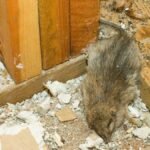
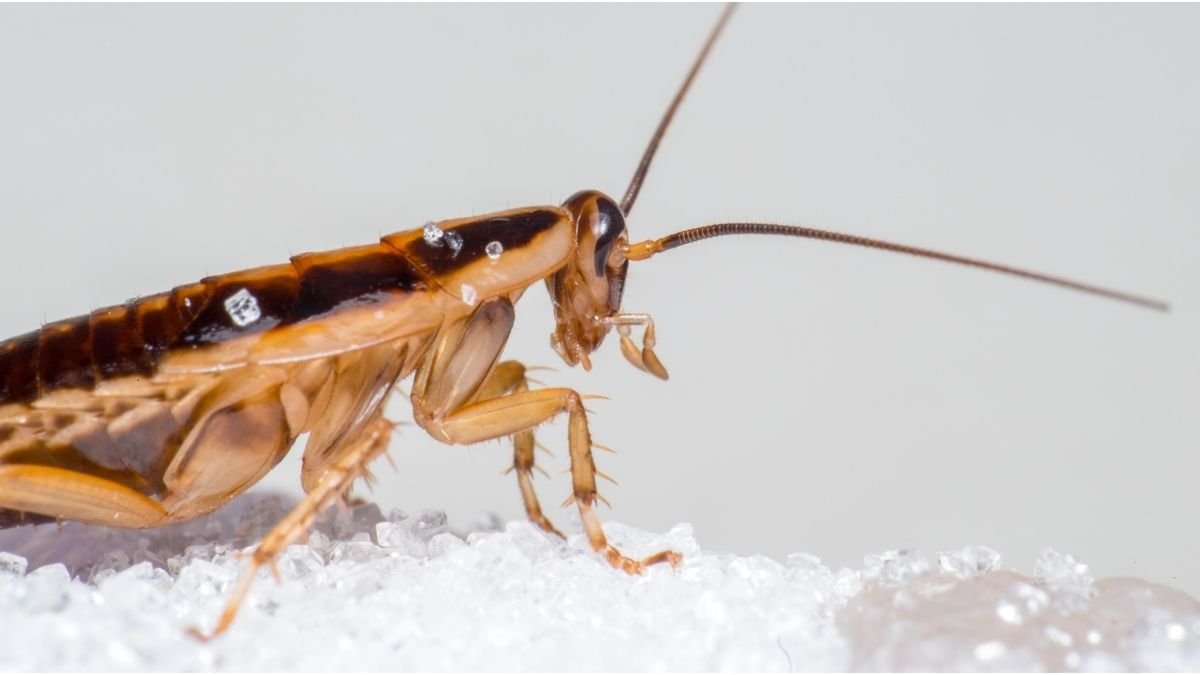
German cockroach nymphs are the wingless baby stage of the German cockroach. They are tiny (about 3 mm when they hatch), dark brown to nearly black, and they usually show a pale stripe down the middle of the back with two dark bands behind the head. If you are finding them in a kitchen or bathroom, adults are very likely breeding close by, because the nymphs hatch from egg cases laid near food, water, and warmth.
This guide is for you if you’re a homeowner, a condo owners, or a tenant in the GTA and you have spotted tiny dark roaches and want to know what they are, how quickly they can become a problem, and what to do next. Everything below stays focused on one question: what do these nymphs mean for your home, and how do you deal with them?
What Are German Cockroach Nymphs and What Do They Look Like?
A nymph is a juvenile cockroach. The German cockroach (Blattella germanica) is the species most often responsible for indoor infestations in Canada, and its young look quite different from the tan adults most people picture. That difference is why so many people mistake nymphs for some other kind of bug.
Identification and Appearance
Here is what to look for when you are trying to confirm a German cockroach nymph:
- Size: about 3 mm (1/8 inch) at hatching, roughly the size of a sesame seed, growing to a little over 1 cm before adulthood.
- Colour: dark brown to almost black when young. Each molt tends to make them a bit lighter, until the adult stage is tan to light brown.
- Markings: two dark bands on the shield behind the head, and on younger nymphs, a pale tan or light stripe running down the middle of the back.
- Wings: none. Older nymphs develop small wing pads, but they cannot fly.
- Location: most often in kitchens and bathrooms, close to water, food, and warm appliances.
Adults measure roughly 1.3 to 1.6 cm and carry the same two dark streaks behind the head, according to Health Canada’s cockroach guidance. If the bug in front of you is much larger, reddish-brown, and found in a basement or near a drain, it may be a different species.
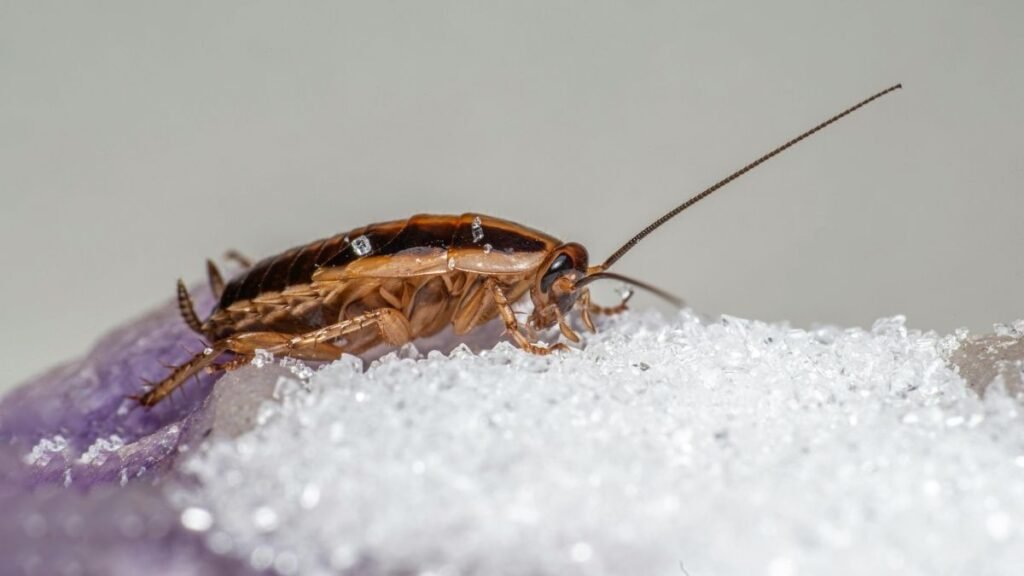
Brown-banded nymphs show light bands running across the body rather than along it, and Oriental and American nymphs are generally larger and reddish or glossy dark. Our guide on how to identify the types of cockroaches in Ontario puts the species side by side so you can compare.
Lifecycle of German Cockroaches
German cockroaches develop in three stages: egg, nymph, and adult. A female carries her egg case (called an ootheca) on the tip of her body until a day or so before the eggs hatch, then drops it in a hidden spot. Each case holds roughly 30 to 40 eggs, and one female may produce around four to eight cases in her lifetime.
Stages of Development
Newly hatched nymphs are pale for a few hours, then darken. From there they molt (shed their outer skin) several times, usually five to seven, before reaching adulthood. Under warm conditions, the whole journey from egg to adult can take as little as ten weeks or so, and nymph growth can be faster in a hot kitchen or slower in a cooler space. Adults generally live around five to seven months.
| Stage | Approximate size | What you will see |
|---|---|---|
| Newly hatched | About 3 mm | Pale for a few hours, then dark brown to black |
| Early nymph | 3 to 5 mm | Very dark, often with a pale stripe down the back |
| Middle nymph | 6 to 9 mm | Dark brown, two bands behind the head |
| Late nymph | 10 to 14 mm | Brown to tan, small wing pads, still cannot fly |
| Adult | 13 to 16 mm | Tan to light brown, full wings, two dark streaks |
Sizes in the table are approximate, and the in-between stages vary with temperature and food supply. The point is that nymphs change appearance quickly, so a roach that looks different from last week’s may simply have molted.
Behavior and Habits
German cockroaches are nocturnal and spend the day packed into tight, warm, damp gaps. Common hiding places include behind the fridge and stove, inside cabinet hinges and drawer slides, under sinks, and around dishwashers or other appliances that give off heat. They can also hide behind outlet covers and inside small appliances.
They rarely come into your home on their own. Health Canada notes that roaches and egg cases often hitchhike in on used furniture, food items, bottles, and shipping cartons. In condos and apartment buildings, they can also travel between units along shared plumbing and wall gaps. Seeing them is not a sign of poor housekeeping, since the same guidance points out that their presence does not necessarily mean unclean conditions.
Signs of a German Cockroach Infestation
Nymphs are rarely a one-off. Pest control sources commonly estimate that roughly three-quarters of a typical German cockroach population is made up of nymphs, which is why you may see plenty of babies and almost no adults. The adults are usually still there. They are just better at staying hidden.
Common Indicators in Your Home
- Droppings: tiny dark specks, similar to ground black pepper or coffee grounds, in cabinet corners, along baseboards, and behind appliances.
- Shed skins: pale, papery shells left behind after molting, often collected in hiding spots.
- Egg cases: small brown capsules tucked into corners, hinges, or behind appliances.
- Daytime sightings: cockroaches avoid light, so seeing them out in daylight can mean their hiding spaces are crowded.
- Musty or oily smell: a stale odour in kitchens or bathrooms as a population grows.
- Smear marks: greasy, dark smudges along baseboards or walls where roaches travel at night.
A simple way to confirm what is going on is to place a few sticky traps along the walls, under the sink, and behind the stove for a night or two. Health Canada recommends traps because they show you where roaches are active, so you know where to focus.
If you live in a condo or apartment and the roaches keep reappearing, our piece on why cockroaches return after treatment in apartments in Toronto explains how neighbouring units and shared walls can undo a good clean-up.
Health Risks Associated with Infestations
Cockroaches rarely cause structural damage, but they can still affect your household. According to Health Canada, they can contaminate food and food preparation areas by walking over them after travelling through garbage or drains, and their droppings and body parts may trigger reactions in people with asthma.
Nymphs shed skins at every stage, so a growing population can add to that allergen load. Anyone with asthma, young children, or older adults in the home has more reason to deal with the problem early.
How to Get Rid of German Cockroach Nymphs
Killing the few nymphs you can see is not the same as ending the infestation. The goal is to reach the hidden population and the egg cases, and to make your home less appealing while you do it. Cleaning and treatment work best when they are done together, since treatment alone often struggles if food, water, and shelter stay available.
DIY Methods and Tools
If you have spotted only a few nymphs in one room and caught it early, these steps can help. Our overview of DIY pest control methods and their limits covers the wider picture.
- Remove the food and water. Store dry goods, cereal, and pet food in sealed plastic or glass containers. Wash dishes before bed, wipe up spills the same day, and take garbage out daily.
- Clean where roaches actually live. Pull out the stove and fridge if you can, and clean the grease and crumbs behind and underneath them.
- Fix moisture problems. Repair leaky taps and pipes, wipe down sinks, and run the bathroom fan after showers.
- Vacuum often. Vacuuming picks up nymphs, droppings, and some egg cases. Seal and discard the vacuum bag, or empty the canister outside, right after.
- Monitor with traps. Sticky traps or a simple jar trap show whether activity is going down.
- Use gel bait carefully. Gel baits placed in small dots in cabinet hinges, under sinks, and along the back edges of counters are widely used for hidden roaches. Read the label, use only products with a Pest Control Products (PCP) number, and keep them away from children and pets.
- Seal gaps. Caulk cracks and pipe openings under sinks and behind toilets to remove hiding spots and entry routes.
Be cautious with foggers (bug bombs) and broad sprays used on their own. They tend to scatter roaches into wall voids rather than reach the hidden population, and sprays near bait can make roaches avoid it. Small infested items such as toys or crafts can sometimes be frozen for at least 24 hours, though that only helps for items, not for your walls.
When to Call Professional Pest Control
DIY has limits. It is worth getting help if any of these apply:
- You are seeing nymphs in more than one room.
- You still see activity three to four weeks after careful cleaning and baiting.
- Roaches are active in the daytime, or you are finding many egg cases.
- You live in a condo, townhouse, or apartment where roaches may be coming through shared walls.
- Someone in the home has asthma or allergies.
- You run a restaurant, daycare, or other food-handling space.
A licensed technician will inspect to find the harbourage areas, confirm the species, and treat those spots directly, usually with a mix of gel bait, targeted dust, and spot treatment. Because eggs keep hatching for weeks, a single visit is often not enough, and follow-up visits are a normal part of the process.
At Invaders Canada, we inspect, identify the species, and treat the places roaches breed rather than just the ones you see at night. If you are not sure whether your situation needs outside help, our explainer on what professional pest management involves walks through what to expect.
Prevention Strategies for German Cockroaches
German cockroaches usually arrive on something or through something, so prevention is mostly about what comes into your home and what you leave out for them. Our detailed guide to cockroach infestation signs and prevention goes further, but the basics are below.
Effective Home Maintenance Tips
- Unpack groceries and deliveries promptly and recycle cardboard boxes, since roaches hide and lay eggs in cardboard folds.
- Check used furniture, appliances, and secondhand items before bringing them inside.
- Keep food in sealed containers and avoid leaving pet food out around the clock.
- Repair leaks quickly and reduce moisture in bathrooms, kitchens, and basements.
- Seal gaps around pipes, baseboards, and cabinets with caulk.
- Keep the areas behind and beneath appliances clean, since grease and crumbs collect there.
Long-term Pest Management Plans
Prevention works better when it is ongoing. Keep a couple of sticky traps in place for several weeks after the last sighting, because egg cases that were already laid can still hatch. In multi-unit buildings, tell your landlord or property manager early, and encourage neighbours to do the same, since treating a single unit may not be enough if roaches are moving between apartments. A regular inspection schedule can help catch new activity before it turns into another full infestation.
Bottom Line
German cockroach nymphs are small, dark, wingless, and easy to overlook, but they are one of the clearest signs that adult cockroaches are breeding nearby. Learn to spot the two bands behind the head and the pale stripe on younger nymphs, clean and seal up the areas they depend on, and use baits and traps carefully.
If you see nymphs in more than one room, or the problem returns after a few weeks, bring in a licensed professional so the hidden population and egg cases are dealt with too.
FAQs
Can German cockroach nymphs fly?
No. Nymphs have no wings, only small wing pads in the later stages. Adult German cockroaches have wings but, according to Health Canada, are unable to fly, so you are far more likely to see them run than take off.
How long do German cockroach nymphs take to become adults?
It depends on warmth and food. In a warm kitchen, a nymph can reach adulthood in as little as five to six weeks, while the full egg-to-adult cycle is often around ten weeks. Adults then tend to live for roughly five to seven months.
Why am I seeing baby German cockroaches but no adults?
Because most of a typical population is nymphs, and adults spend their time hidden in tight gaps. Seeing babies is usually a sign that adults are nearby and laying egg cases. A few sticky traps can help show where they are traveling.
Do German cockroaches go away in the winter?
Not on their own. German cockroaches are not tolerant of cold, but they live indoors, and a heated home, condo, or restaurant gives them the warmth they need all winter. If you see nymphs in October or later, treat it as an active problem rather than waiting for the weather to fix it.
Who is responsible for treating cockroach nymphs in a rental in Toronto?
In Ontario, landlords generally have maintenance duties for rental units, and pest problems can fall under that. Report the issue in writing, keep dates and photos, and let the landlord know if neighbouring units are affected too. If you are unsure of your rights, a community legal clinic or the Landlord and Tenant Board can point you in the right direction.