Cockroaches keep coming back when treatment kills visible insects but leaves behind egg cases, hidden harbourages, or a route from another unit. In Toronto apartments and condos, shared walls, plumbing lines, garbage areas, and utility openings can connect several infestations. Lasting control usually requires targeted follow-up treatment, cooperation between units, sealing gaps, and removing reliable food and water sources.
When cockroaches keep coming back, it is easy to assume that cleaning or treatment has failed completely. You clean the kitchen, place traps, spray the baseboards, and finally stop seeing them. Then, days or weeks later, one runs beneath the refrigerator. The more accurate explanation is that it probably addressed only one part of the problem.
Cockroaches are difficult to eliminate in any home, but multi-unit Toronto buildings give them more places to hide and more routes to return. A clean apartment can still be reinfested from an adjacent unit, pipe chase, garbage room, or shared service area. If cockroaches keep coming back, the solution is not necessarily more spray. It is finding where the activity originates, interrupting the breeding cycle, treating connected areas, and closing the paths that allow movement through the building.
Why Isn’t Your Cockroach Problem Really Gone?
Your cockroach problem is not really gone if eggs, nymphs, or breeding adults remain in hidden cracks or nearby units. A temporary drop in sightings may only mean the exposed cockroaches were killed. Once eggs hatch or insects migrate through plumbing and wall openings, activity begins again. Lasting control must reach the hidden population and prevent reinfestation.
Why Killing the Cockroaches You See Doesn’t Solve the Problem
Squashing one cockroach or spraying a group under the sink removes insects that happened to be exposed. It does not reveal how many are behind an appliance, inside a cabinet void, or elsewhere in the building.
German Cockroaches Breed Faster Than You Can Kill Them
German cockroaches are the species most often associated with kitchens and multi-unit housing. Females carry an egg case containing many eggs until close to hatching. Nymphs then pass through several stages before becoming reproductive adults.
Warmth, moisture, and regular access to food can keep this cycle moving indoors throughout the year. Killing scattered adults without follow-up may leave earlier stages and newly hatched nymphs untouched. By the time the survivors become noticeable, residents often assume cockroaches have returned from nowhere. In reality, the population may never have been fully removed.
What You’re Seeing Is a Small Fraction of the Colony
Cockroaches are mainly active at night and spend much of their time in narrow, dark spaces. They can hide behind refrigerators, beneath dishwashers, around cabinet hinges, beside plumbing, and inside gaps that are difficult to inspect.
A nighttime sighting may represent only the accessible part of a larger population. Daytime sightings can be more concerning because overcrowding or disturbance may be pushing cockroaches out of hiding. Droppings, shed skins, egg cases, or a persistent odour provide additional evidence.
Why Do Cockroaches Keep Coming Back in Apartments Specifically?
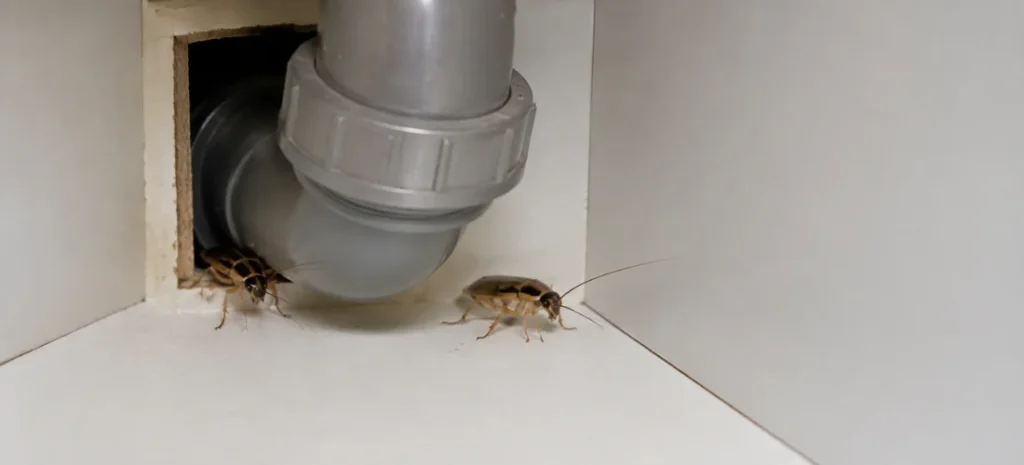
An apartment is not an isolated pest-control environment. It is one compartment within a connected structure. That distinction explains why excellent housekeeping in one unit cannot always compensate for untreated activity elsewhere.
Shared Walls, Pipes, and Outlets Let Cockroaches Travel Between Units
Plumbing and electrical services often pass through openings behind sinks, toilets, cabinets, and appliances. Cockroaches can use these concealed routes to move between neighbouring units or between a unit and a common area.
Gaps around pipe penetrations, loose baseboards, cabinet voids, vents, and openings around outlets can all contribute. Residents may notice recurring activity in the same bathroom or kitchen because that room is connected to the migration route, not because it is particularly dirty.
One Untreated Neighbour Can Reinfest Your Whole Floor
If treatment occurs in one apartment while a connected unit remains infested, cockroaches may continue crossing back into the treated space. Activity can also shift when repellent sprays, renovations, leaks, or food shortages disturb a harbourage.
The source may be an adjacent apartment, service shaft, storage room, garbage area, or unit several doors away. Inspection and trap counts are more useful than blame.
Building-Wide Infestations Need Building-Wide Treatment
Not every sighting requires treatment of an entire tower. However, evidence across multiple units or floors demands a coordinated response. At minimum, the affected unit and connected or adjacent units should be assessed. Common areas and service spaces may also require attention.
Why Do Cockroaches Keep Coming Back in Condos?
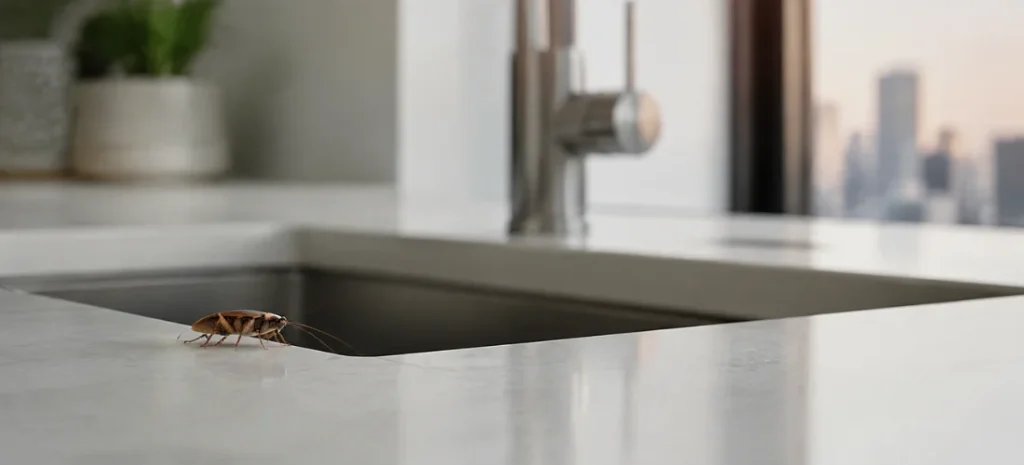
Condo finishes can look newer and common areas may be professionally maintained, but neither feature makes a building cockroach-proof. Cockroaches need small amounts of food, moisture, warmth, and shelter. All four can exist behind an immaculate surface.
Condos Aren’t Immune; Density and Shared Plumbing Are the Real Risk Factors
High-rise living concentrates kitchens, bathrooms, plumbing, wiring, deliveries, and waste disposal within one connected building. Groceries, cardboard cartons, used appliances, luggage, and furniture can also introduce cockroaches into an otherwise well-managed property.
Once established, cockroaches can spread through utility openings and shared voids. Cleanliness helps treatment, but it cannot seal a pipe chase or secure access to another unit. Recurring activity is not proof that the affected resident failed to clean.
Garbage Chutes, Laundry Rooms, and Parking Garages as Hidden Sources
Garbage chutes and collection rooms provide warmth, shelter, moisture, and a recurring supply of organic material. Laundry rooms may contain leaks, floor drains, lint, and undisturbed gaps behind equipment. Parking and service levels can provide damp areas and entry points for species associated with drains or lower levels.
These areas should be inspected when activity is widespread. Treating suites while ignoring an active common area allows pressure on nearby units to continue.
The Real Reasons Cockroaches Return After Treatment
The reason for recurring activity is not always visible inside the affected unit. Below are the most common causes, with the evidence residents may notice and the response each problem requires.
| Reason for the return | What may be happening | What needs to change |
|---|---|---|
| Protected egg cases | A spray killed exposed adults, but hidden eggs later hatched. | Use properly timed follow-up treatment that reaches newly emerged nymphs. |
| Cockroaches were scattered | Repellent sprays pushed insects deeper into walls or adjoining spaces. | Stop random spraying and use a targeted treatment plan. |
| Only one unit was treated | Cockroaches continue moving from a connected apartment or common area. | Inspect adjacent units and shared building spaces. |
| Food or water remains available | Leaks, crumbs, grease, pet food, or recycling residue supports survivors. | Correct moisture problems and remove competing food sources. |
| Harbourages were missed | Cockroaches remain behind appliances, cabinets, or inside utility gaps. | Inspect, monitor, and treat the actual hiding areas. |
Eggs Survive Most Store-Bought Sprays
Egg cases physically protect developing cockroaches from many direct-contact products. A spray may kill exposed nymphs and adults without affecting eggs hidden behind a cabinet or appliance. When the eggs hatch later, the apparent comeback begins.
This is why follow-up is essential. Treatment must be timed and selected to address newly emerging insects before they mature and reproduce. One application should not automatically be treated as a complete programme.
Sprays Scatter Cockroaches Into Walls Instead of Killing the Colony
Heavy use of aerosol sprays, foggers, or strongly repellent products can drive cockroaches away from treated surfaces. They may retreat farther into voids or move into adjoining rooms and units. Random spraying can also contaminate bait placements and make cockroaches less likely to feed on them.
More pesticide is not always better. Product, placement, dose, and species all matter. Follow the label and avoid combining products without professional direction.
Treating Only Your Unit Ignores the Source
In a multi-unit infestation, the treatment boundary should follow the evidence rather than the lease line. Adjacent suites, units above and below, utility areas, and common rooms may need inspection or treatment.
Ongoing Access to Food, Water, and Warmth Undoes Any Treatment
Cockroaches can use crumbs under appliances, grease beside a stove, pet food left overnight, recycling residue, or organic material inside a drain area. Water may come from a leaking trap, refrigerator drip tray, damp cloth, condensation, or standing water beneath a sink.
Sanitation alone rarely eliminates an established German cockroach infestation, but it removes competing food and helps treatment. A persistent leak can keep a harbourage viable even in a clean kitchen.
Signs the Infestation Is Building-Wide, Not Just Your Unit
Look for a pattern rather than relying on one sighting. Possible signs include:
- Neighbours on the same floor, or directly above and below, report cockroaches.
- Cockroaches repeatedly appear near pipe openings, vents, outlets, or the front door.
- Activity drops after treatment but returns from the same shared wall.
- Cockroaches are present in corridors, laundry rooms, garbage rooms, or service areas.
- Several units receive treatment, but the appointments are not coordinated.
- Daytime sightings occur in more than one part of the building.
- Activity increases after renovation, plumbing work, or treatment in another unit.
- Different residents report the problem over an extended period.
How to Actually Stop Cockroaches From Coming Back?
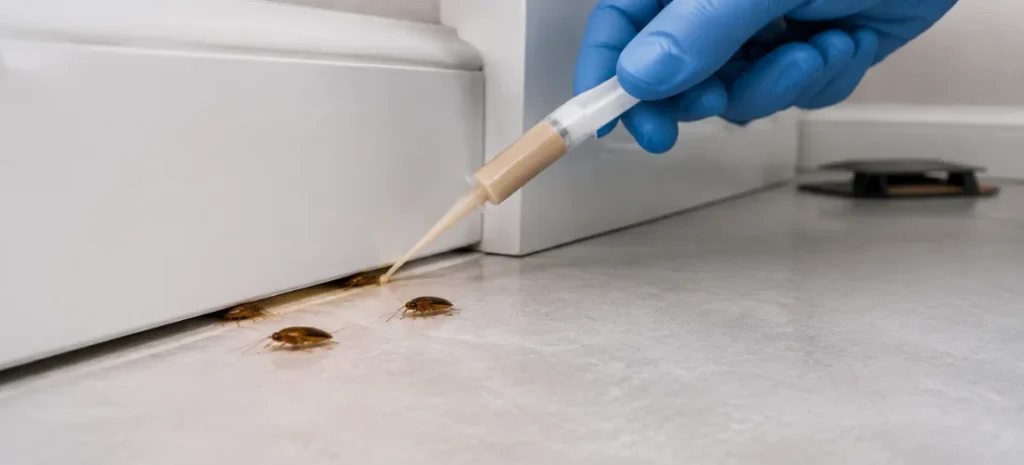
Effective control combines identification, targeted treatment, follow-up, sanitation, repairs, exclusion, and building cooperation. Removing any one of these elements can leave a path for survival or return.
Professional Treatment That Targets Egg Cycles, Not Just Live Roaches
A professional should identify the species, inspect likely harbourages, and place monitors to measure activity. Depending on the site, the programme may use carefully placed bait, dust in appropriate voids, crack-and-crevice treatment, and an insect growth regulator. Product choice and application must reflect the label and local conditions.
Follow-up visits allow the technician to review trap counts, replace bait, find missed harbourages, and respond to newly hatched nymphs. Progress should be measured by declining activity.
Coordinating Treatment With Neighbouring Units
Management should ask about activity in units beside, above, and below the affected suite. Inspections can then establish whether treatment needs to expand. Appointments should occur within a practical window so cockroaches are not merely displaced from one available refuge to another.
Sealing Entry Points at Shared Walls and Utility Lines
Once active harbourages are being controlled, gaps around plumbing, wiring, cabinets, baseboards, and shared walls should be sealed with suitable materials. Door sweeps and repairs to damaged screens or wall finishes can address other routes.
Ongoing Prevention Steps for Toronto Apartment and Condo Residents
- Store pantry goods and pet food in sealed containers.
- Clean spills and crumbs promptly, including beneath small appliances.
- Do not leave dirty dishes or pet food out overnight.
- Empty household garbage regularly and rinse recyclable containers.
- Report plumbing leaks and moisture damage promptly in writing.
- Reduce stacks of cardboard, paper bags, and unused packaging.
- Inspect second-hand appliances, furniture, and delivery cartons.
- Use sticky monitors to detect activity early, not as the sole treatment.
- Photograph sightings and record the date and location.
- Follow professional preparation and re-entry instructions exactly.
When to Call a Professional vs. When DIY Might Work?
DIY cockroach control and sanitation may be reasonable when a single cockroach was brought in with a package, and no further activity appears. Place monitors in likely areas, remove food and water, inspect deliveries, and seal obvious exterior gaps. If traps remain clear and no other evidence appears, the introduction may have been isolated.
Professional cockroach control is the safer choice when the evidence suggests breeding, migration, or an established hidden population.
| Situation | DIY monitoring may be reasonable | Professional assessment is recommended |
|---|---|---|
| One cockroach appeared after a delivery, with no further evidence | Yes | If activity continues |
| Sticky monitors remain empty and no droppings or egg cases are found | Yes | Not usually, unless sightings resume |
| German cockroaches or small nymphs are present | No | Yes |
| Egg cases, droppings, shed skins, or a persistent odour are found | No | Yes |
| Cockroaches are seen during daylight | No | Yes |
| Activity returns after one or more spray treatments | No | Yes |
| Neighbours or common areas are also affected | No | Yes, with building coordination |
| A resident has asthma or significant allergies | No | Yes, as early as possible |
Get a Cockroach Infestation Assessed by Invaders Canada
If cockroaches keep coming back in your Toronto apartment or condo, Invaders Canada can assess the activity, identify likely harbourages, and recommend a treatment and follow-up plan suited to a multi-unit property. Early reporting gives residents and property managers a better chance to contain movement before more units are affected.
Contact us today to arrange an inspection in Toronto or the Greater Toronto Area. If you rent, notify management in writing and record sightings, previous treatments, and affected locations.
Conclusion
When cockroaches keep coming back, the visible insects are usually only one part of the problem. Protected eggs, concealed harbourages, shared plumbing routes, untreated neighbouring units, and dependable food or moisture can all restart activity after an apparently successful treatment. Lasting control requires species identification, targeted treatment, connected-unit inspection, moisture and sanitation correction, sealed migration points, and follow-up. In multi-unit buildings, cooperation often turns temporary relief into reliable control.
FAQs
Why do cockroaches keep coming back after spraying?
Spraying may kill only the cockroaches that contact the product. Egg cases and insects hidden in cracks, wall voids, appliances, or neighbouring units can survive. Some repellent sprays can also scatter cockroaches. Effective control usually requires targeted products, harbourage treatment, sanitation, and follow-up timed to the hatching cycle.
Can cockroaches come from my neighbour’s apartment?
Yes. Cockroaches can move between apartments through gaps around pipes and wires, shared walls, ceilings, corridors, and door openings. However, a neighbouring unit should not be blamed without evidence. Monitoring and inspection of connected units and common areas are the best ways to identify the likely source.
How long does it take to fully get rid of German cockroaches?
There is no reliable universal deadline. A small, recently introduced infestation may respond relatively quickly, while a heavy or building-wide problem can require multiple visits over several weeks or longer. Species, population size, access, preparation, product resistance, egg hatching, and cooperation from neighbouring units all affect the timeline.
Are cockroaches more common in older Toronto buildings?
Older buildings may contain more cracks, ageing pipe penetrations, moisture problems, and long-established harbourages. However, age alone does not determine risk. New condos also have dense occupancy, shared plumbing, waste systems, deliveries, and connected service voids. Maintenance quality and coordinated response are more meaningful than the building’s age by itself.
Is a cockroach problem the landlord’s responsibility in Ontario?
In most Ontario rentals, the landlord is responsible for maintaining the rental complex in good repair, fit for habitation, and compliant with applicable health, safety, housing, and maintenance standards. Tenants should report cockroaches promptly in writing, cooperate with lawful entry and preparation requirements, and avoid conditions that contribute to the problem.