
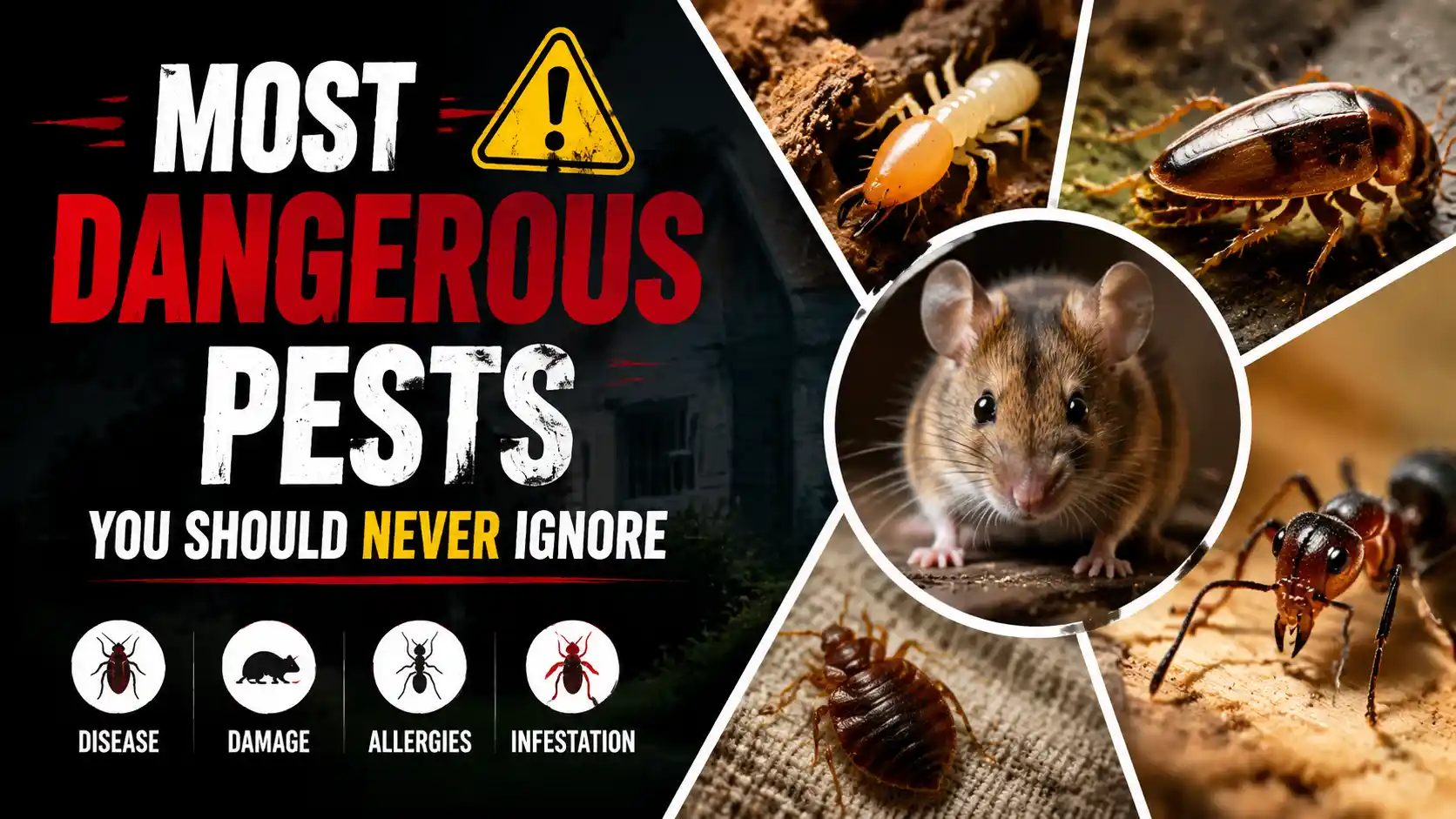
Every one of us has a scary encounter with dangerous pests that leaves them scared to death. The pests look smaller in size, but interactions with them always shake the people to their cores. It’s dreadful, right? Some insects look harmful and just annoy you in your everyday life. But the high risk pests can pose severe health risks to your loved ones.
Delaying the treatment for pest infestations can lead to property damage, bacterial spread, allergies, food contamination, etc. Continuously ignoring them leads to expensive repairs and solutions. Timely learning about these pests and handling them properly helps keep your property and loved ones safe.
Top 10 Deadliest and Harmful Insects
Most homeowners get confused about the types of pests and insects. They want to protect themselves from the dangerous pests, but don’t know anything about them. Proper knowledge helps them protect themselves better. Whether they are disease-carrying insects or destructive rodents, every pest is dangerous. Identifying them is necessary to avoid severe issues later on.
- Mosquitoes
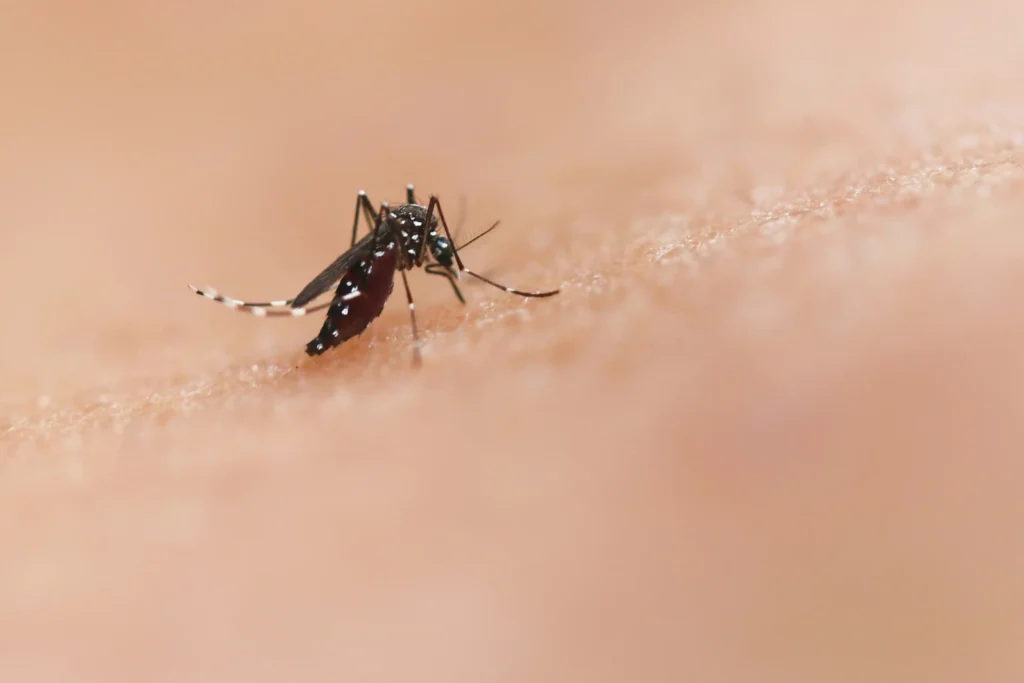
They are the deadliest pests all over the world. They can lead to life-threatening diseases like malaria, dengue fever, Zika, West Nile virus, etc. In tropical and subtropical climates, infected water resources are breeding grounds. These spaces require instant treatment.
Otherwise, they can lead to severe infestations. They are such tiny creatures in size, but they are a source of death and misery. Keeping your spaces clean, removing contaminated water, repairing leaks, and eliminating any source of standing water are also necessary.
- Ticks
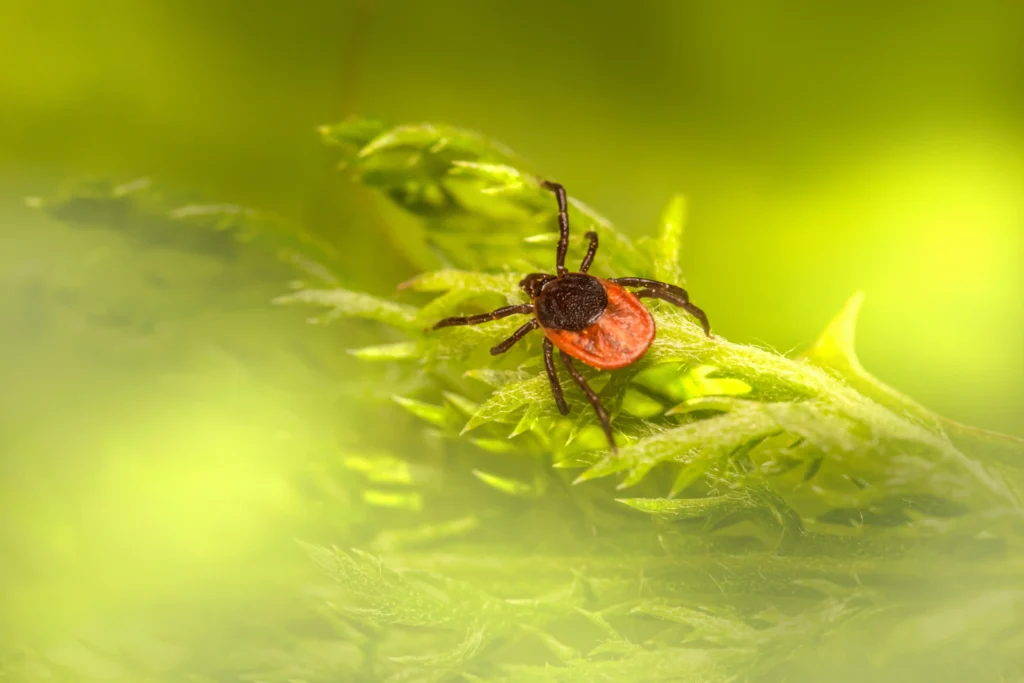
They are like parasites. It’s very difficult to spot them. They can attach themselves to humans and pets to feed on their blood. They bury their mouthparts into the skin and can feed on your blood for hours. They are the main carriers of Lyme disease and Rocky Mountain spotted fever.
Their saliva contains pain-numbing components that suppress local immune responses. That’s what makes the bites go unnoticed. During feeding, they can transfer various types of dangerous bacteria, viruses, and parasites directly into your bloodstream.
- Rodents
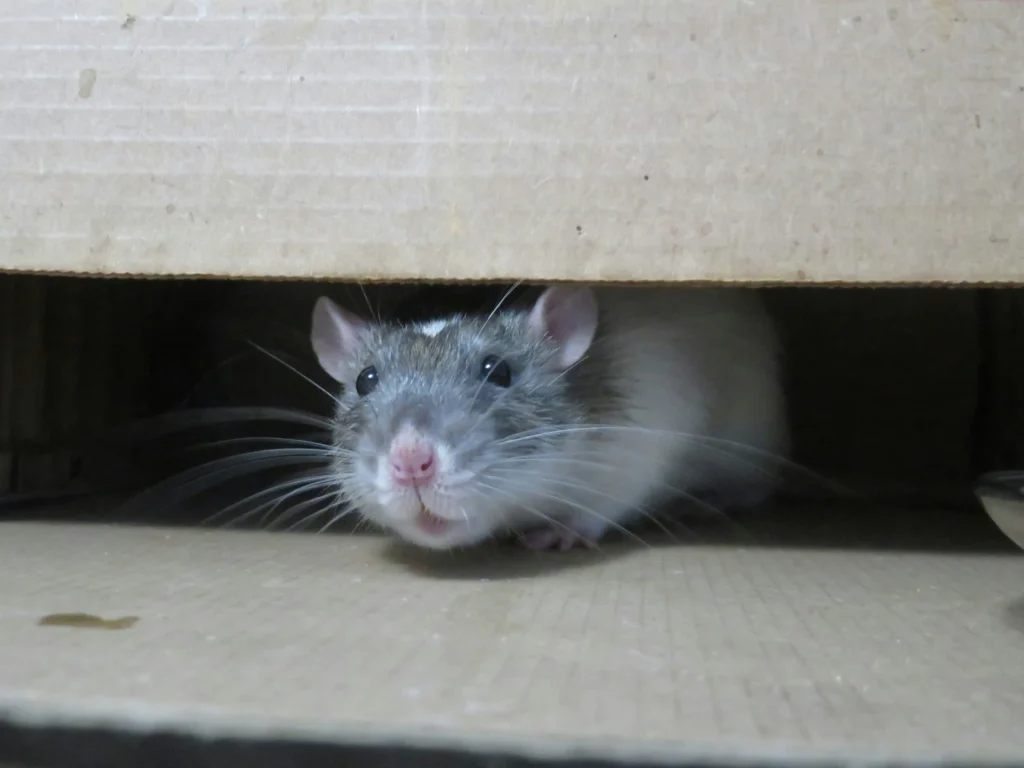
Rodents like rats and mice are among the deadliest pests globally. Other than property damage, rodents are known for carrying hantavirus, leptospirosis, and bubonic plague. They contaminate the food with their urine and faeces. They harbor fleas, ticks, and mites, which transmit even more damage.
Rodents continuously gnaw on hard surfaces. Such habits lead to fire hazards, plumbing failures, and structural issues. When you see them spread so many diseases, emergency professional pest infestation services become necessary.
- Bed Bugs
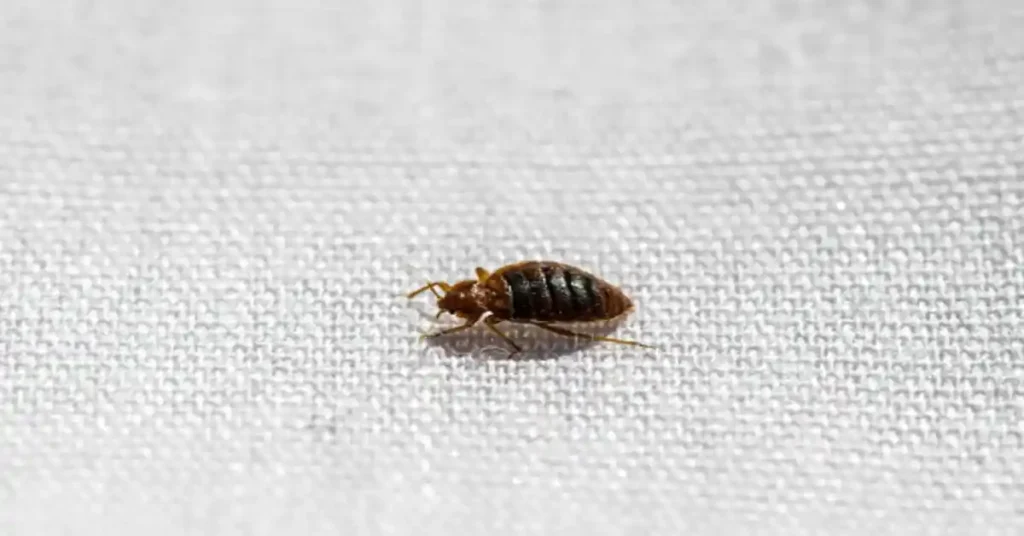
Although bed bugs do not cause diseases directly, they are quite difficult to eliminate. They cause severe health concerns because their bites can cause severe and life-threatening allergies. Their infestations also lead to psychological distress. Insomnia and secondary skin infections from constant scratching are also possible.
- Cockroaches
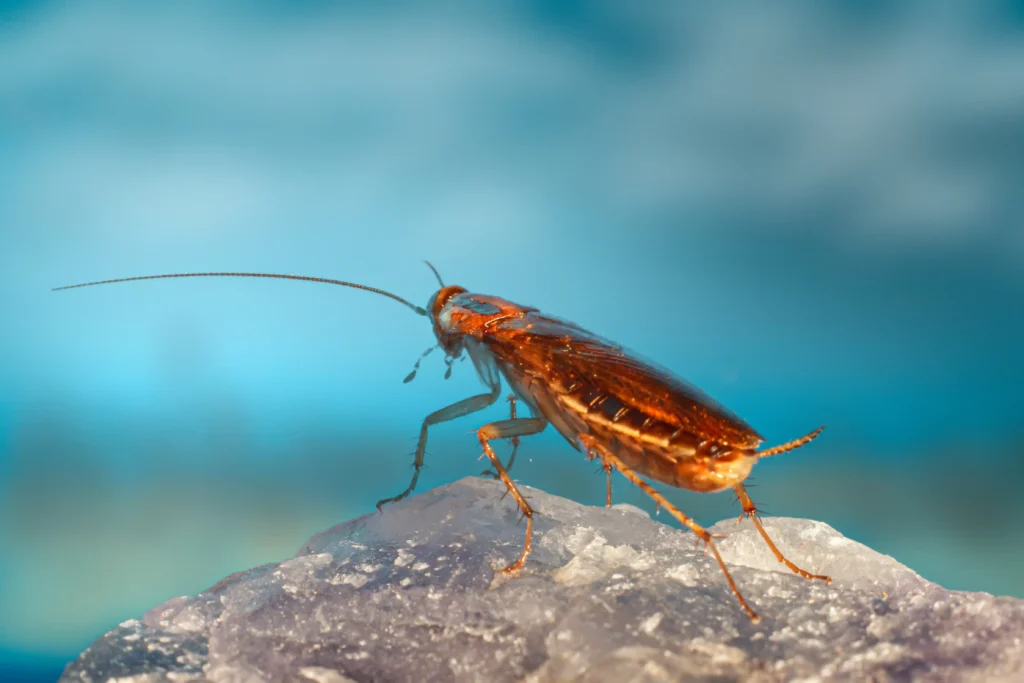
When it comes to dangerous pests, cockroaches are highly unhygienic, just like venomous creatures are lethal. These massively unsanitary pests carry over 33 disease-causing pathogens. They can lead to asthma and allergic reactions, especially in children. Cockroaches can affect your children’s safety. Even a small number of cockroaches can turn into a massive infestation in an instant.
- Kissing Bugs
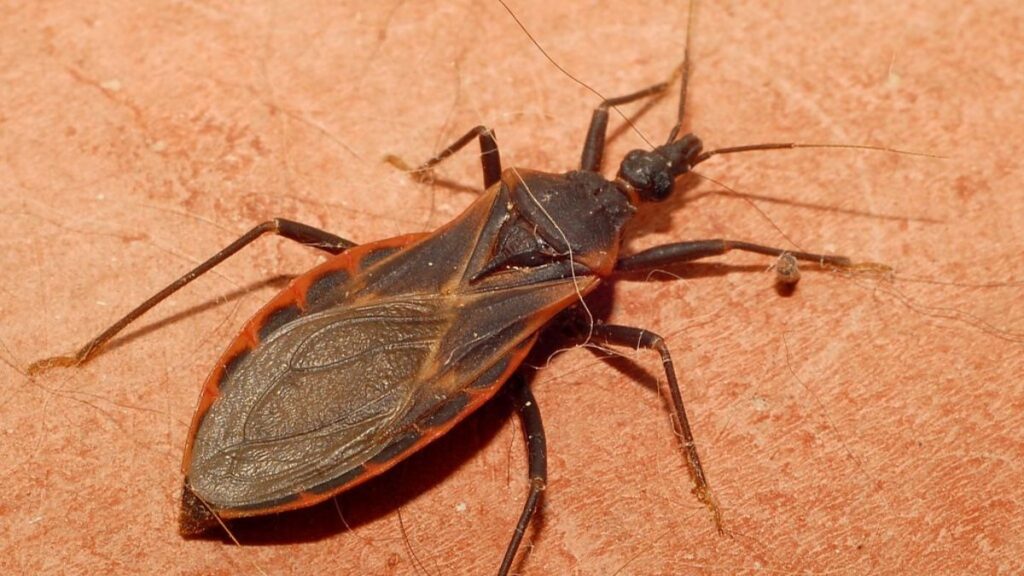
They are also known as triatomines and are among the deadliest pests globally. They have got the name of kissing bugs because they feed on the faces of sleeping humans. They are the spreaders of Chagas disease. It is a parasitic illness that can lead to heart failure years after the initial attack or bite. People with sensitive skin can get severe allergic reactions and require instant medical attention.
- Murder Hornets
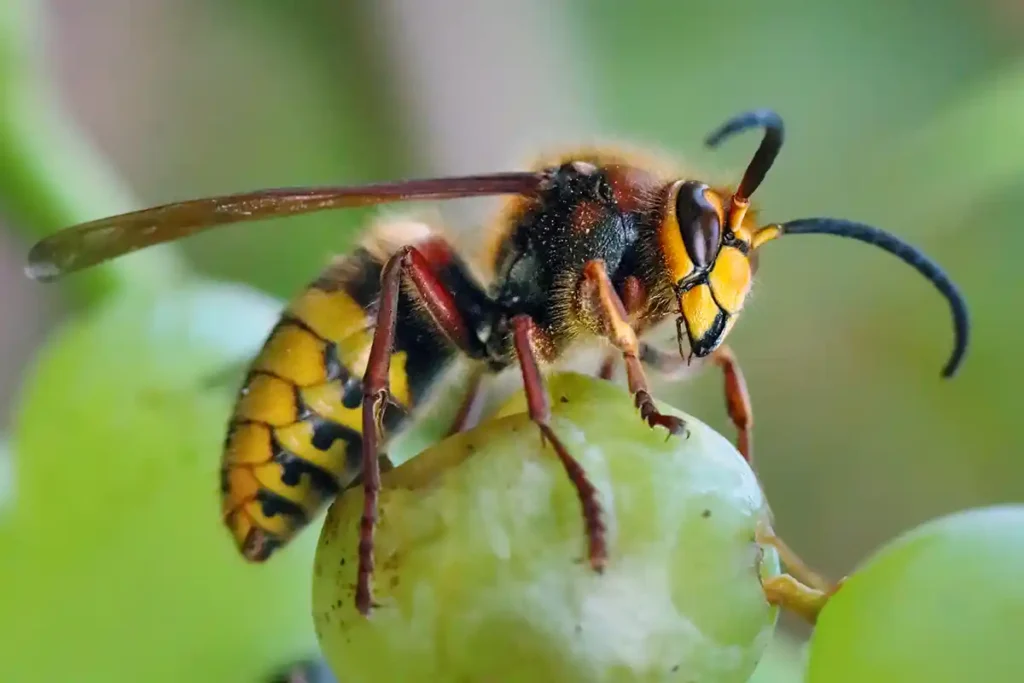
They are the world’s largest hornets. They are highly aggressive and contain barbed stingers. You must know that these hornets rarely attack humans directly unless their nest is affected or disturbed.
- Fleas
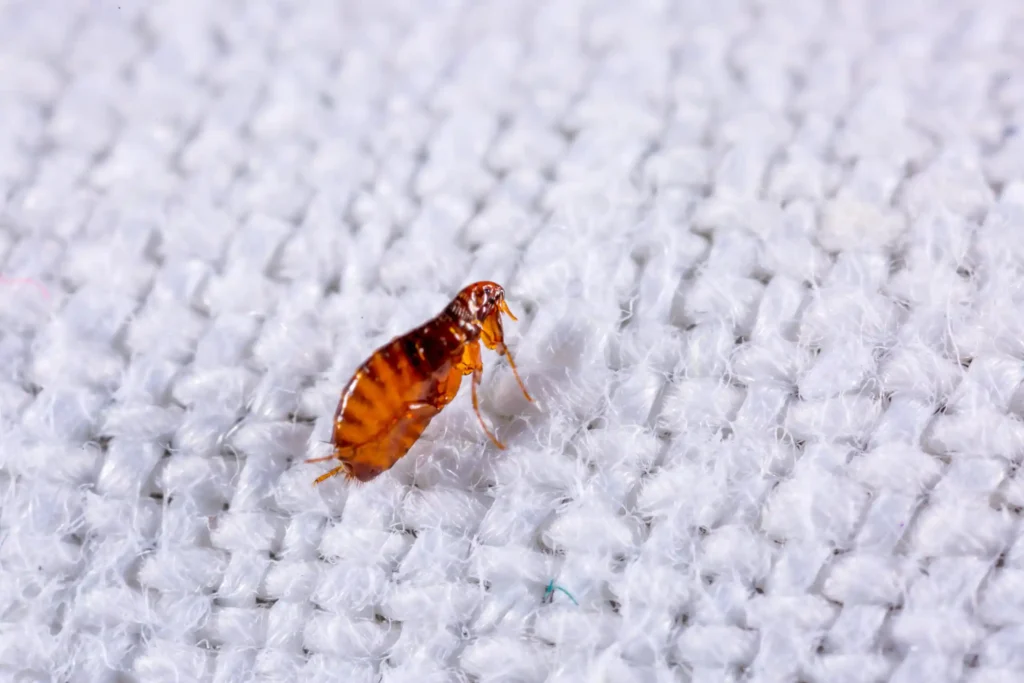
Fleas feed on humans and animals blood. They gained their grim reputation primarily for spreading the bubonic plague, which wiped out millions during the Middle Ages. They can cause severe dermatitis.
- Venomous Spiders
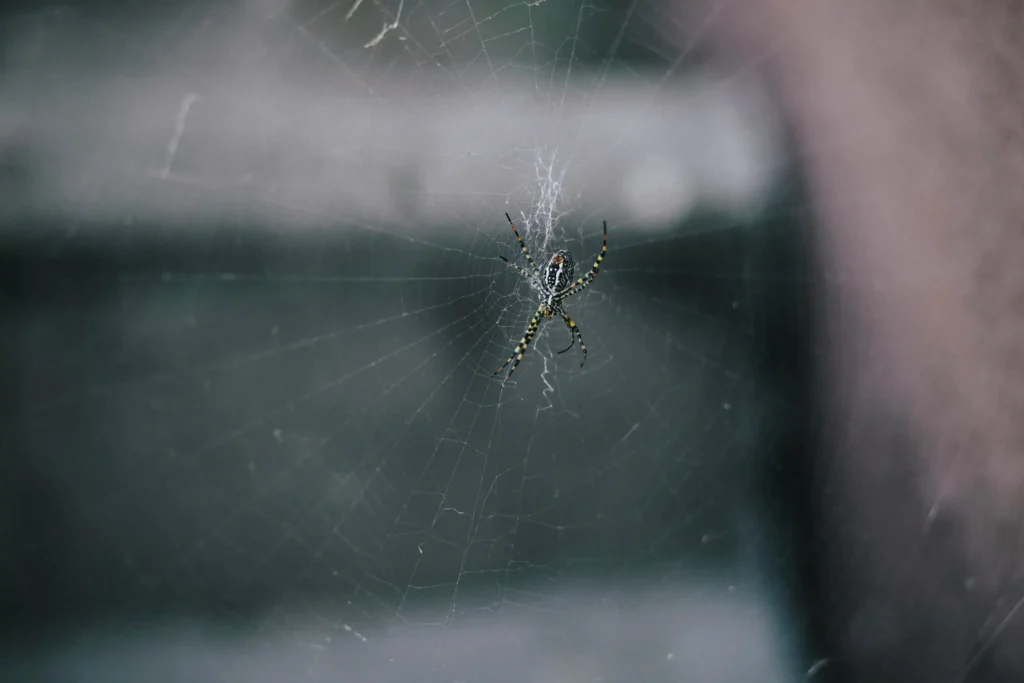
These spiders are highly defensive of their nests, which are usually found in dark places, basements, and woodpiles. Their bites can cause severe necrosis and muscle pain and require immediate medical attention. Various types of spiders fall into this venomous category. Learning about them helps homeowners keep themselves protected against severe issues.
- Fire Ants
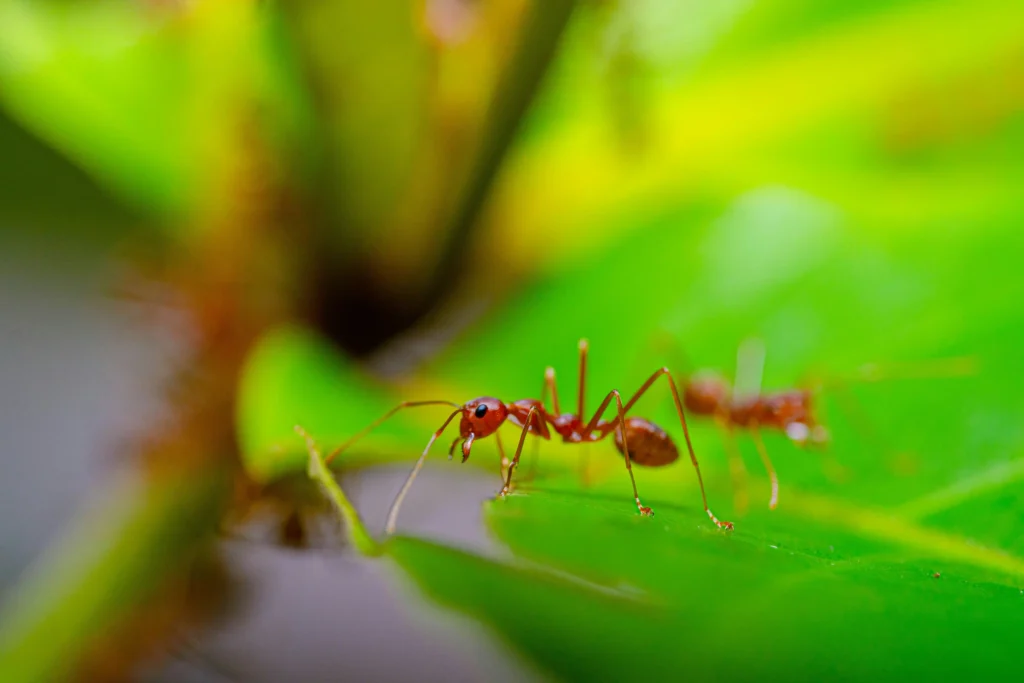
They are highly protective of their ground colonies. They can swarm and deliver extremely painful stings. People who have allergies, fire ants’ stings can trigger extreme anaphylactic shock. They have toxic venoms and have swarming instincts. They also have dangerous effects on ecological and economic areas.
How to Deal with Dangerous Pests?
Dealing with dangerous pests requires more than temporary fixes or DIY sprays. Some pests spread diseases, contaminate food, trigger allergic reactions, or even cause painful bites and stings.
The key to controlling pests is early identification, proper prevention, and professional treatment when infestations grow beyond control. Different weather conditions require different measures, and winter pests are one of the deadliest pests.
1. Mosquitoes
Mosquitoes are among the most common harmful insects, especially during warmer months. They breed in standing water and can quickly multiply around homes.
How to Deal with Mosquitoes?
- Remove standing water from buckets, bird baths, and clogged gutters.
- Keep lawns trimmed and vegetation maintained.
- Install window and door screens.
- Use outdoor pest treatments when activity becomes severe.
Signs of a Mosquito Problem
- Increased biting outdoors.
- Buzzing around shaded areas.
- Standing water nearby.
2. Ticks
Ticks are small but dangerous pests often found in tall grass, wooded areas, and parks. They can attach to both humans and pets.
How to Deal with Ticks?
- Keep grass short and remove overgrown vegetation.
- Check pets and clothing after outdoor activities.
- Wear long sleeves in wooded areas.
- Consider perimeter pest treatments for outdoor spaces.
Signs of Tick Activity
- Tick sightings on pets or clothing.
- Frequent outdoor bites after yard use.
3. Rodents (Mice & Rats)
House mice and Brown rat are among the most destructive pests because they spread bacteria and damage property.
How to Deal with Rodents?
- Seal entry points around doors and foundations.
- Store food in sealed containers.
- Remove clutter and nesting areas.
- Use professional rodent removal for larger infestations.
Warning Signs
- Scratching noises inside the walls.
- Droppings and gnaw marks.
- Strong musty odours.
4. Bed Bugs
Bed bugs hide in mattresses, furniture, and wall cracks while feeding on human blood.
How to Deal with Bed Bugs
- Wash bedding on high heat.
- Vacuum mattresses and furniture regularly.
- Inspect second-hand furniture carefully.
- Seek professional heat or targeted treatment for infestations.
Warning Signs
- Small bite marks.
- Blood stains on sheets.
- Tiny dark spots near mattresses.
5. Cockroaches
Cockroaches are persistent, harmful insects that thrive in humid, dark spaces.
How to Deal with Cockroaches?
- Eliminate food crumbs and standing moisture.
- Seal cracks and entry points.
- Keep kitchens and bathrooms dry.
- Use professional pest treatments for recurring infestations.
Warning Signs
- Musty odours.
- Egg casings or droppings.
- Roach sightings at night.
6. Kissing Bugs
Kissing bugs are blood-feeding insects that bite humans and animals, usually around the face while sleeping.
How to Deal with Kissing Bugs?
- Seal gaps around windows and doors.
- Reduce outdoor lighting that attracts insects.
- Remove wood piles and clutter near the home.
- Contact professionals if activity increases.
Warning Signs
- Unexplained bites near the mouth or eyes.
- Insects hide near bedding or wall cracks.
7. Murder Hornets
Asian giant hornets, commonly called murder hornets, are large stinging insects known for aggressive nest defence.
How to Deal with Murder Hornets?
- Stay away from visible nests.
- Never attempt nest removal yourself.
- Keep outdoor food covered.
- Contact pest professionals immediately.
Warning Signs
- Large hornet sightings.
- Aggressive buzzing around roofs or trees.
8. Fleas
Fleas spread rapidly through pets, carpets, and upholstery.
How to Deal with Fleas?
- Treat pets regularly.
- Vacuum carpets and furniture frequently.
- Wash pet bedding with hot water.
- Use targeted treatments for severe infestations.
Warning Signs
- Excessive pet scratching.
- Small bites around the ankles.
- Tiny jumping insects indoors.
9. Venomous Spiders
Some spider species can deliver painful bites and are considered dangerous in certain regions.
How to Deal with Venomous Spiders?
- Reduce clutter indoors and outdoors.
- Seal cracks around foundations and basements.
- Remove webs regularly.
- Call professionals if spider activity becomes severe.
Warning Signs
- Large web accumulation.
- Frequent sightings in storage spaces.
10. Fire Ants
Fire ants are aggressive ants known for painful stings and rapid colony growth.
How to Deal with Fire Ants?
- Avoid disturbing visible mounds.
- Keep outdoor spaces clean.
- Eliminate food sources outdoors.
- Use professional treatment for colony elimination.
Warning Signs
- Visible ant mounds.
- Painful stings outdoors.
When to Call for Professional Pest Control Services?
Many pest problems become difficult to manage once infestations spread. You should contact a professional if:
- You notice recurring pest activity.
- DIY treatments fail.
- Pests return repeatedly.
- Health risks are involved.
- Infestations spread quickly.
Licensed pest control professionals can identify hidden activity, locate entry points, and apply targeted treatments safely.
At Invaders Canada, we offer professional pest infestation removal services to residential and commercial spaces. We are the leading pest control company in Canada and manage pest infestations accurately.
You can contact us for more information.
Conclusion
To conclude, dangerous pests can lead to countless issues for homeowners. Ignoring them delays their extermination, causing property damage and health risks. Timely investing in professional pest control services ensures better outcomes. Whether you need commercial or residential pest control services, Invaders Canada can help. But for that purpose, taking instant action and learning about pest management is vital.
FAQs
Which household pest causes the most property damage in Canada?
Rodents, particularly mice and rats, cause the most widespread and costly property damage of any pest species in Canadian homes. Their continuous gnawing damages electrical wiring, wooden framing, insulation, and plumbing across tens of thousands of Canadian properties every year.
How do I know if a pest in my home is genuinely dangerous or just a nuisance?
The key distinction is whether the pest poses a health risk, a structural risk, or both. If you cannot confidently identify the pest and confirm it carries no health or structural risk, a professional inspection is always the safer approach.
Can dangerous pests be effectively controlled with store-bought products?
Store-bought products can reduce visible pest activity temporarily but rarely eliminate an established infestation at its source. They are particularly ineffective against carpenter ants, bed bugs, and cockroaches. Professional treatments use commercial-grade products and application methods to permanently eliminate pests.
How quickly can a dangerous pest infestation become a serious problem?
Faster than most homeowners expect. The consistent pattern across all dangerous pest species is that populations that are manageable in the first few weeks become significantly harder and more expensive to address with each passing month.
Are pest control treatments safe for children and pets?
Yes, when applied by a licensed professional using Ministry of Environment-registered products. Invaders Canada technicians use products that are specifically selected for effectiveness against target pests while remaining safe for household members, including children, pets, and individuals with sensitivities.