

Maintaining a pest-free office environment is crucial for all businesses operating in Canada. Beyond being a simple nuisance, workplace pest infestations can significantly impact employee health, productivity, and your company’s bottom line. According to Statistics Canada:
There were over 1,368 pest control businesses operating nationwide as of 2022.
… and that reflects the growing demand for professional workplace pest management services.
Why Office Pest Control Matters
Office spaces provide ideal conditions for pest infestations, for example consistent warmth, abundant food sources from break rooms and desk snacks, and numerous entry points through doors, windows, and utility lines. Recent data from federal buildings across Canada revealed over 549 pest reports in just eight months across 93 Crown-owned buildings in the National Capital Region alone, demonstrating that even well-maintained facilities face persistent pest challenges.
The economic impact of neglecting office pest control is staggering. Research shows that pest infestations cost businesses $9.6 billion in increased operating costs and $19.5 billion in decreased revenue across North America. For Canadian businesses, these costs translate to lost productivity, damaged equipment, potential regulatory violations, and reputational harm, making professional commercial pest control an essential investment.
What are the Common Office Pests in Canadian Workplaces?
Wondering which pests commonly invade office spaces? Here are the primary culprits:
Rodents (Mice and Rats)
Rodents account for over half of all pest control service calls in office settings. These destructive pests can:
- Chew through electrical wiring, creating fire hazards and equipment damage
- Contaminate surfaces with bacteria including Salmonella
- Reproduce rapidly, with populations exploding during winter months when they seek indoor warmth
- Trigger asthma and allergic reactions through droppings and dander
Cockroaches
Cockroaches thrive in dark, damp areas such as utility rooms, restrooms, and kitchen spaces. These resilient pests are known carriers of bacteria and can trigger serious allergic reactions and asthma symptoms in employees. Their presence often indicates underlying hygiene issues that require immediate attention.
Ants
While seemingly harmless, ant infestations signal accessible food sources and entry points. They typically enter through cracks in walls, windows, or flooring, and large colonies can quickly spread throughout office spaces, disrupting workplace operations and creating unsanitary conditions.
Bed Bugs
A survey by the National Pest Management Association found that 90 % of pest control professionals encountered bed bugs. These parasites hitchhike on employees’ clothing, bags, and personal belongings, creating distress and potential legal liabilities despite not transmitting diseases.
Flies
Attracted to food waste and drains, flies in break rooms and kitchens can spread bacteria across surfaces and become major distractions for staff. Proper waste management and drain maintenance are essential for controlling fly populations.
Do Pests Impact Business Operations?
Health Risks to Employees
Pests pose serious health hazards that extend beyond mere discomfort. Common health issues include:
- Disease transmission through contaminated surfaces
- Allergic reactions and asthma triggered by pest allergens
- Skin irritation from bites and stings
- Stress and anxiety from working in pest-infested environments
Productivity and Workplace Morale
Research reveals that 42 % of businesses experiencing pest infestations lost at least one working day per year, with 36 % of infestations lasting more than two weeks.
The presence of pests creates:
- Constant distractions reducing employee focus and efficiency
- Increased absenteeism due to health concerns
- Lower morale and job satisfaction
- Higher employee turnover rates
- Potential workers’ compensation claims
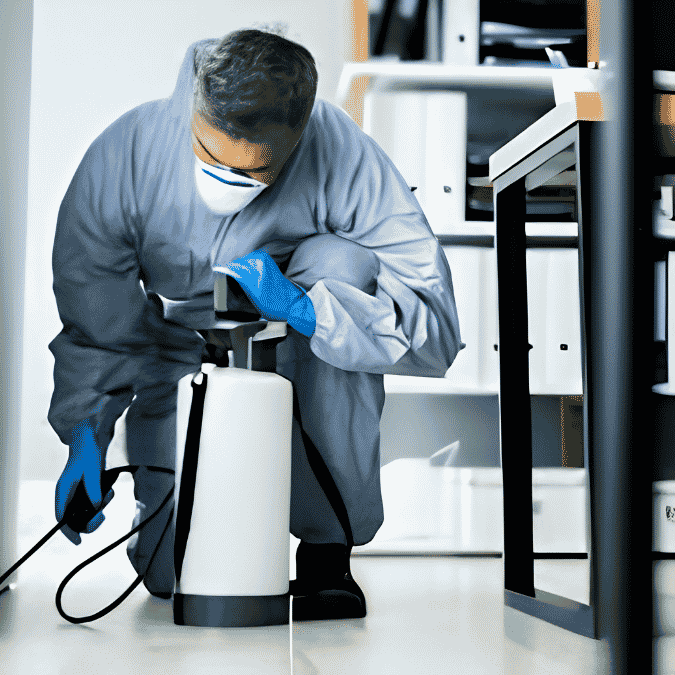
Property Damage and Financial Costs
The financial implications of pest infestations extend far beyond extermination costs:
| Damage Type | Impact | Potential Cost |
|---|---|---|
| Electrical damage | Rodents chewing wires causing equipment failure and fire hazards | Thousands in repairs + potential fire damage |
| Structural damage | Termites weakening building integrity | Major renovation costs |
| Equipment contamination | Pests damaging IT infrastructure and office equipment | Replacement costs + data loss |
| Inventory loss | Pest contamination of stored materials | Write-offs + disposal costs |
| Operational downtime | Temporary closures for treatment | Lost revenue + customer impact |
Integrated Pest Management (IPM)
Modern workplace pest management relies on Integrated Pest Management (IPM), a comprehensive strategy that emphasizes prevention over reaction. The Environmental Protection Agency (EPA) outlines a four-tier IPM approach:
1. Identification and Monitoring
Regular inspections help identify pest activity before infestations develop. Professional pest control services can:
- Conduct thorough assessments of vulnerable areas
- Install monitoring traps in strategic locations
- Document pest activity patterns
- Provide 24/7 monitoring systems for real-time alerts
2. Determine Severity
Assessing the extent of infestations allows for appropriate response measures. Early detection typically requires less invasive and costly interventions than advanced infestations.
3. Prevention Strategies
Proactive prevention forms the foundation of effective business pest control:
Physical Barriers:
- Seal cracks, crevices, and gaps in walls, floors, and foundations
- Install door sweeps and weatherstripping
- Add screens to windows and ventilation systems
- Properly seal utility entry points
Sanitation Practices:
- Maintain rigorous cleaning schedules in communal areas
- Empty trash receptacles regularly with proper sealing
- Store food in sealed containers
- Clean spills immediately
- Address moisture issues and leaks promptly
- Reduce clutter that provides pest harborage
Storage Management:
- Organize storage areas to eliminate hiding spots
- Store items off the floor
- Use sealed containers for supplies and documents
- Regularly audit storage spaces for signs of activity
4. Targeted Control Methods
When prevention alone isn’t sufficient, IPM employs targeted treatments:
- Strategic placement of bait stations for rodents
- Application of residual insecticides in specific areas
- Use of fly lights and attractants
- Drain treatment to prevent breeding
- Heat treatment or steam cleaning for bed bugs
Best Practices for Office Pest Control
Employee Education and Responsibility
Creating a pest-free workplace requires cooperation from all staff members and comprehensive pest control services that address all common office pests.
Employees should:
- Keep workstations clean and free of food debris
- Avoid storing food in desk drawers
- Report pest sightings immediately to facilities management
- Dispose of waste in designated areas, not at desks
- Store lunches in sealed containers
- Clean up spills promptly
Management Responsibilities
Property managers and business owners must ensure:
- Regular professional pest inspections (quarterly minimum)
- Prompt response to pest reports
- Proper maintenance of building infrastructure
- Adequate waste management systems
- Staff training on pest prevention protocols
- Documentation of pest activity and treatments for regulatory compliance
Choosing Professional Pest Control Services
Partnering with licensed pest control professionals offers significant advantages:
- Expertise in identifying and treating specific pest species
- Access to commercial-grade products and equipment
- Knowledge of Canadian regulations and safety standards
- Customized treatment plans for your facility
- Regular monitoring and preventive maintenance
- Discreet service that minimizes disruption to operations
When selecting a pest control provider, verify:
- Proper licensing and insurance
- Experience with commercial office environments
- Use of integrated pest management approaches
- References from similar businesses
- Clear communication and reporting protocols
Legal and Regulatory Compliance in Canada
Canadian businesses have legal obligations regarding pest control. Workplace health and safety regulations require employers to:
- Provide safe, healthy working environments free from pest-related hazards
- Follow provincial and federal pesticide regulations
- Maintain proper documentation of pest management activities
- Use licensed contractors for pest control services
- Ensure pesticide applications comply with safety standards
- Inform employees of pest control treatments
The Federal Insecticide, Fungicide, and Rodenticide Act (FIFRA) and provincial regulations govern pesticide use in commercial settings. Non-compliance can result in fines, legal liabilities, and potential business closures.
Creating a Pest-Free Office Culture
Maintaining a clean workplace extends beyond scheduled treatments.
Foster a culture of vigilance by:
- Conducting pre-winter inspections as pests seek indoor warmth
- Establishing clear reporting procedures with multiple channels
- Scheduling monthly visual inspections and quarterly professional visits
- Communicating pest prevention tips regularly through office channels
The ROI of Preventive Pest Control
Understanding the pest control cost in Canada helps businesses recognize that investing in regular, preventive pest management delivers substantial returns:
Cost Avoidance:
- Prevent expensive emergency treatments
- Avoid operational shutdowns and lost revenue
- Reduce property damage and repair costs
- Minimize potential legal liabilities
Operational Benefits:
- Maintain consistent employee productivity
- Protect company reputation
- Ensure regulatory compliance
- Preserve equipment and infrastructure
Employee Well-being:
- Create healthier work environments
- Improve morale and job satisfaction
- Reduce health-related absenteeism
- Enhance retention rates
Conclusion
Office pest control is not optional—it’s a fundamental business investment that protects employees, preserves assets, and maintains operational continuity. With over half of pest service calls in offices related to rodent infestations and documented economic impacts in the billions, the question isn’t whether to invest in workplace pest management, but rather how quickly you can implement comprehensive protection.
Invaders Canada understands the unique challenges Canadian businesses face in maintaining pest-free office environments. Our integrated pest management approach combines cutting-edge technology, environmentally responsible treatments, and deep knowledge of regional pest behavior to deliver lasting results.
Don’t wait for a pest infestation to disrupt your workplace. Contact Invaders Canada today for a comprehensive assessment and customized pest control solution that keeps your office clean, safe, and productive year-round.
📞 Give us a ring here:
About Invaders Canada
Invaders Canada provides professional pest control services for businesses across Canada. Our licensed technicians specialize in office pest management, using integrated pest management strategies to protect your workplace from common pests while prioritizing employee safety and environmental responsibility. Visit invaderscanada.ca to learn more about our commercial pest control solutions.
Protect your workplace with professional pest management now.
FAQs
How do I get rid of bugs in my office?
Contact a licensed pest control company for professional treatment. Meanwhile, clean thoroughly, seal food in containers, fix leaks, and eliminate clutter where pests hide.
How much roughly does pest control cost?
Office pest control in Canada typically costs $150-$400 per treatment, with quarterly plans ranging from $500-$1,500 annually depending on building size and infestation severity.
How to tell if there is a bug in your office?
Look for droppings near baseboards, gnaw marks on wires or furniture, shed insect wings, grease smears along walls, unusual odors, or visible live pests.
What does an office bug look like?
Common office bugs include small brown cockroaches, tiny black ants, brown mice with long tails, flat reddish bed bugs, and small fruit flies near food areas.
What are the tiny black flies in my office?
These are likely drain flies or fruit flies attracted to food residue, standing water, or organic matter in drains. Clean drains and remove food sources immediately.
Winter Pest Problems and How to Prevent Them