

Early spring, from March through April, is the best time to book pest control for insects like carpenter ants and pavement ants. Early fall, from September through October, is the best time to focus on rodent exclusion, before Norway rats and field mice start looking for a way indoors.
Homeowners across the GTA deal with all four seasons in a real way. Winters push mice, rats and cockroaches to look for indoor warmth. Summers bring wasp activity and the kind of humidity that helps ants and boxelder bugs thrive. Spring and fall are transition windows, and that’s exactly why they need to be tackled for prevention.
A treatment applied at the right point in a pest’s life cycle does more than one applied after an infestation has already occurred.
Our technicians at Invaders Canada see the same pattern play out on service calls across Toronto, Mississauga, Brampton, Vaughan and the rest of the GTA, every year. This post breaks down what to expect season by season, and when scheduling pest control is actually helpful for your property.
Why Timing Matters More Than People Think
Pest control works with biology, not against it. Every pest species moves through a cycle of dormancy, emergence, breeding and colony growth, and each stage responds differently to treatment.
Take carpenter ants as an example. A colony that survives winter inside a wall void starts sending out scout ants as soon as the ground warms in spring. At that point the colony is still small. Treating a property during this window can interrupt it before workers multiply and start pushing satellite nests into new areas of a home. Wait until July, and the same colony may already have hundreds of workers and more than one nesting site.
The same logic applies in reverse for rodents. Norway rats and field mice don’t disappear in winter, but their behaviour shifts sharply once fall temperatures start dropping. They begin actively searching for warm, sheltered spaces with food nearby, and a home with unsealed gaps around utility lines or a loose garage door becomes an easy target. Sealing those entry points before the cold arrives is far more effective than trying to remove rodents that have already nested inside insulation or wall cavities.
That’s the practical difference between preventive and reactive pest control. Preventive treatment aims to stop a problem before it starts, which usually means lower cost, less disruption, and no structural repairs.
Reactive treatment happens after pests are already established, and it tends to take longer and cost more.
Neither approach replaces the other, but knowing which season favours which pest lets you get ahead of most infestations before they turn expensive. Health Canada’s pest control tips cover useful non-chemical prevention steps that work alongside seasonal professional treatment.
Season-by-Season Pest Control in the GTA
Here’s a season-by-season breakdown of Pest Control in the GTA.
Spring (March to May): The Best Window for an Exterior Barrier
Spring is generally the strongest window for exterior pest control in the GTA. As temperatures climb, carpenter ants, pavement ants and early wasp queens all become active again after winter dormancy, and populations are still low.
An exterior perimeter treatment applied in early spring builds a barrier before pests establish new trails into a home. It’s also a good time to have a technician check for early carpenter ant activity, since these ants can hollow out damp or previously water-damaged wood over a season or two without being noticed. If ant control is overdue at your property, spring is the season to schedule it.
Spring is also a practical time to handle basic exclusion work: sealing foundation cracks, repairing torn window screens and clearing damp mulch away from the foundation, all of which reduce the entry points pests have later in the year.
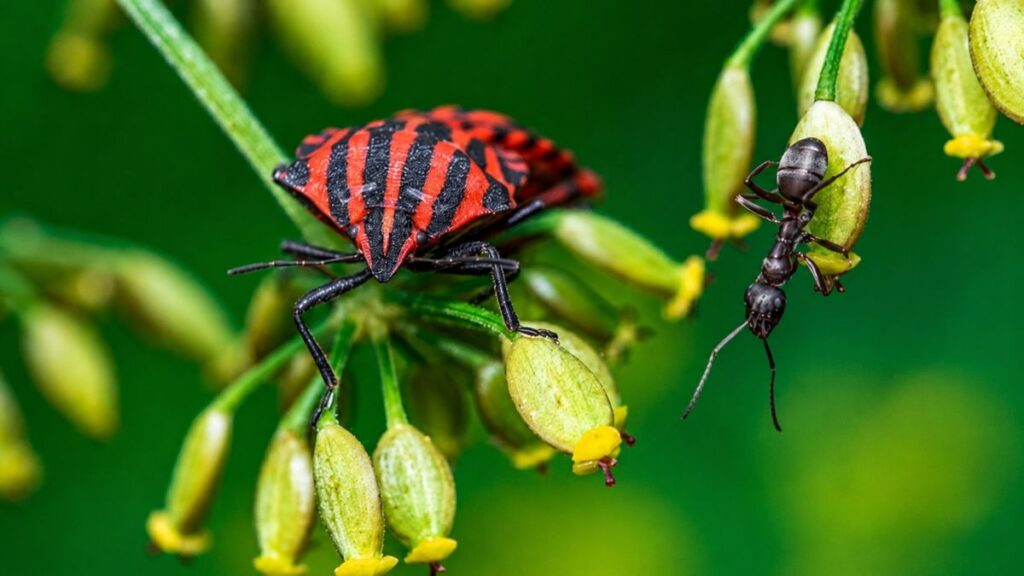
Summer (June to August): Wasps, Humidity, and Fast-Breeding Pests
By summer, insect activity in the GTA is at its peak. Wasps and hornets build out their nests through the season, and a nest that started small in May can hold a few hundred wasps by August. This is also when wasp control calls climb, since nests near entrances or play areas become a real safety concern once colonies grow large.
Humidity plays a role too. The GTA’s humid summers create good conditions for German cockroaches indoors and boxelder bugs and cluster flies outdoors, both of which turn into more of a fall nuisance once they start looking for a way inside. Standing water around gutters, planters or low spots in the yard is also worth checking regularly in summer, since it’s one of the easiest ways pests establish themselves close to a home.
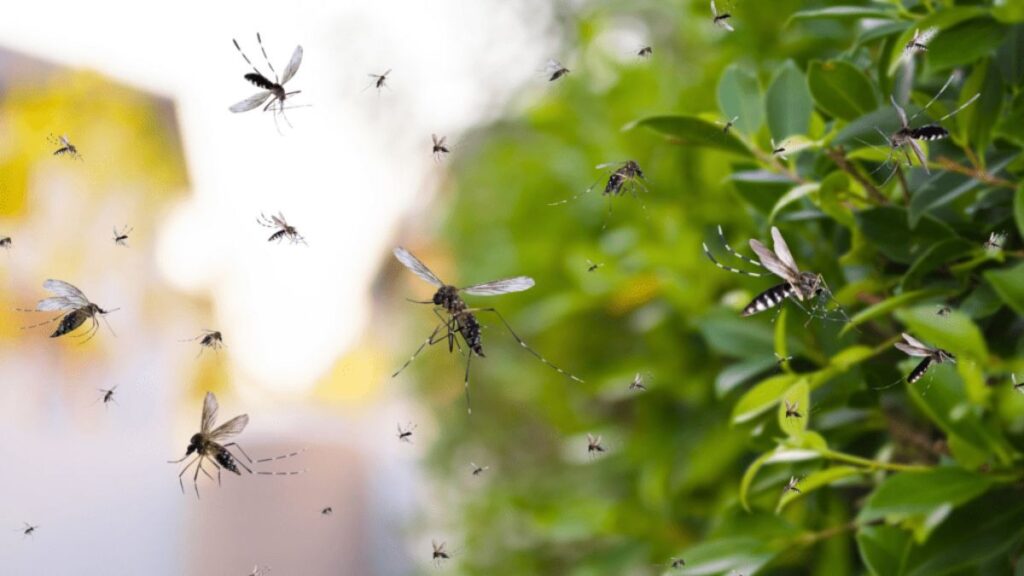
Summer is a reasonable time for indoor gel baiting and general pest management, especially for cockroaches and ants that have already found their way in. But most of the heavy prevention work for the seasons ahead pays off more if it happens before summer gets underway.
Fall (September to November): The Most Important Season for Rodent Exclusion
If spring is the best time for insect prevention, fall is the best time for rodent prevention. As GTA temperatures drop below roughly 10°C, Norway rats and field mice shift into an active search for shelter, and homes with even small gaps around pipes, vents or garage doors become a target.
Fall is when exclusion work matters most. That includes installing door sweeps, sealing gaps larger than a quarter inch (roughly the width of a pencil), and inspecting attics and crawl spaces for signs of nesting before winter sets in. Boxelder bugs and cluster flies also tend to cluster on sun-warmed exterior walls in early fall, looking for a crack to slip through before the weather turns. This is where rodent control work makes the biggest difference for the season ahead.
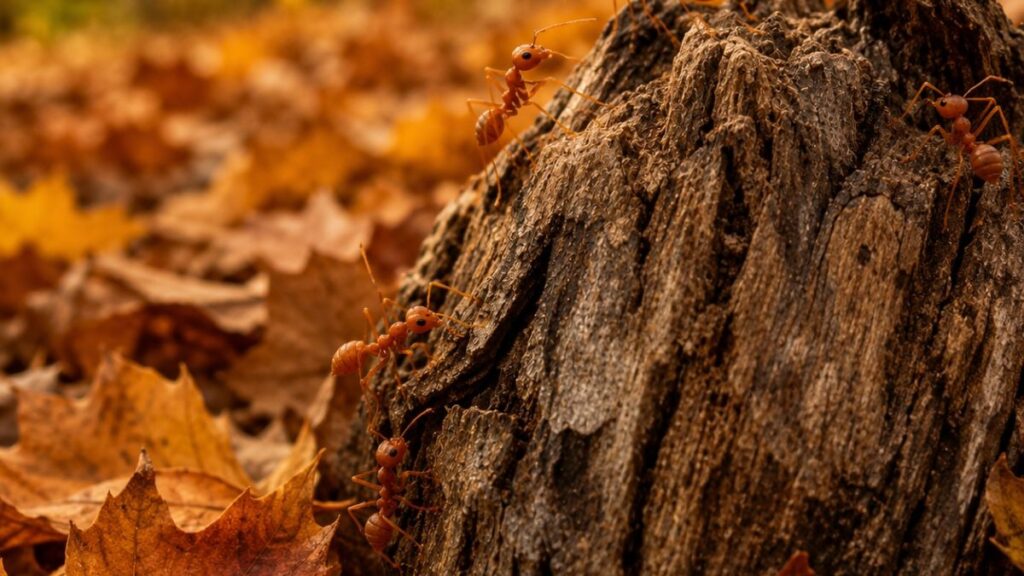
This is one of the few windows where waiting even a few weeks can matter. Once rodents are inside insulation or wall voids, the job shifts from exclusion to full rodent removal, which usually takes longer and costs more.
Winter (December to February): Indoor Focus, Not a Pest-Free Season
Cold weather doesn’t clear a property of pests, it just changes where they are. Mice, rats, German cockroaches and any bed bugs already present tend to move deeper into heated areas of a structure rather than disappear. Health Canada notes that cockroaches generally need sustained freezing near -8°C for at least 24 hours to die from cold exposure, and bed bugs need close to -19°C held for about four days to be reliably killed by freezing alone.
Ordinary winter temperatures inside a heated home never come close to either threshold, which is exactly why pests that got in during fall can persist through winter undetected.
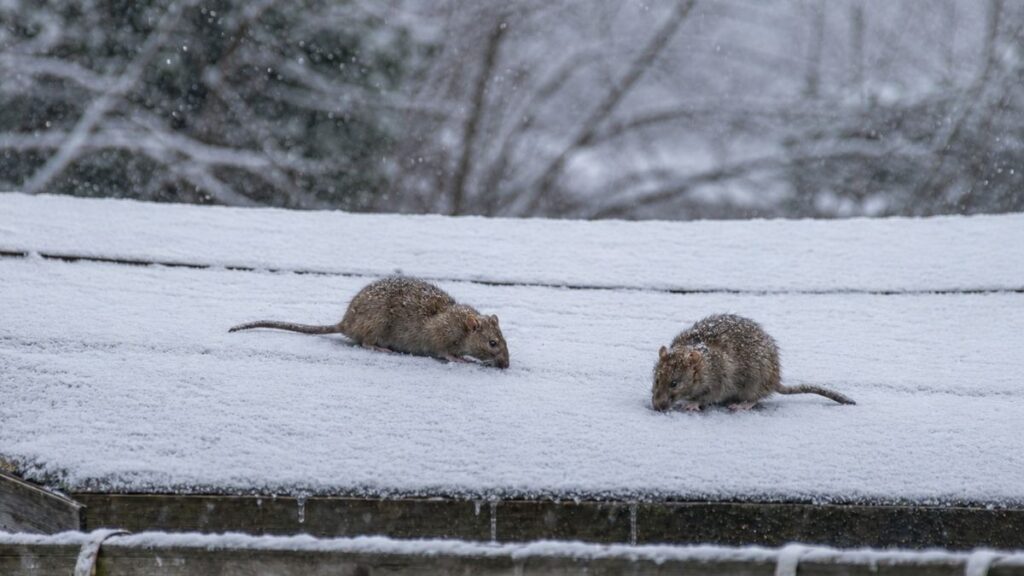
Winter is a good season for indoor-focused work: baiting, moisture control, and attic or basement inspections, particularly if raccoons or squirrels have been active nearby, since both look for warm nesting spots once the weather turns. It’s not a season to expect much from exterior barrier treatments, since most insects are dormant outdoors.
For more on what typically shows up this time of year, see our breakdown of winter pest problems.
Seasonal Pest Calendar for the GTA
The table below summarizes when GTA pests tend to be most active and what kind of treatment usually works best in each season.
| Season | Best Time to Treat | Peak Active Pests | Primary Control Focus |
|---|---|---|---|
| Spring | March – April | Carpenter ants, pavement ants, early wasp queens, spiders | Exterior perimeter treatment, crack sealing |
| Summer | June – July | Wasps, hornets, mosquitoes, German cockroaches | Nest removal, indoor baiting, standing water checks |
| Fall | September – October | Norway rats, field mice, boxelder bugs, cluster flies | Rodent exclusion, door sweeps, gap sealing |
| Winter | November – February | Mice, rats, German cockroaches, overwintering wildlife | Indoor baiting, attic inspection, moisture control |
How Often Should GTA Properties Be Treated?
A single seasonal treatment isn’t enough normally, and how often to treat depends heavily on the type of property.
Single-family homes generally do well on a twice-yearly schedule: one visit in spring for exterior insects, one in fall for rodent exclusion. Some homeowners prefer a quarterly plan instead, which adds a summer and winter check-in and tends to catch problems earlier.
Condos and apartment buildings usually need more frequent attention. Shared walls and common areas mean a pest problem in one unit can spread to neighbouring units quickly, so year-round baiting on a monthly or quarterly basis is common in multi-unit buildings.
Commercial properties and food service locations are a different case. Regulatory requirements around food safety generally call for monthly inspections regardless of season, since even a small pest sighting can affect a health inspection outcome.
Treatment Window Effectiveness by Pest Type
| Pest Type | Best Months to Treat | Preventive Window | Risk of Waiting |
|---|---|---|---|
| Carpenter ants / pavement ants | April – May | Early spring | Structural wood damage, indoor trailing |
| Rodents (mice / rats) | September – October | Early fall | Chewed wiring, insulation contamination |
| Wasps and hornets | May – June | Late spring | Larger, more aggressive colonies by midsummer |
| Cockroaches | Year-round, as soon as seen | Immediate | Fast indoor population growth |
DIY or Professional Pest Control?
Timing affects this decision too. A few ants near a kitchen window in early spring, cleared gutters, or a couple of store-bought traps for an isolated mouse sighting are all reasonable DIY situations, especially if caught early in the season before populations build.
Professional pest control becomes the better call once an infestation is established, involves a structural pest like carpenter ants, or involves anything with a safety risk, such as a large wasp nest near a doorway or a rodent population already nesting in insulation. Waiting on a DIY approach past the point a colony or nest has established itself usually means the eventual professional treatment takes longer and costs more than it would have earlier in the season.
Our spring pest control tips has a longer list of preventive steps you can take between visits.
Conclusion
There’s no single best month for pest control in the GTA, because different pests peak in different seasons. Spring is the strongest window for insect prevention, fall is the most important season for rodent exclusion, and both summer and winter carry their own maintenance needs in between.
The properties that see the fewest infestations tend to be the ones on a seasonal schedule, not those waiting for a visible problem. If it’s been a while since your property was last inspected, contact Invaders Canada for a seasonal assessment across the GTA.
FAQs
What is the best time of year to do pest control in the GTA?
Early spring, from March to April, is generally the best time for exterior insect prevention, since ant and wasp populations are still low. Early fall, from September to October, is the best time to focus on rodent exclusion, before mice and rats start looking for winter shelter.
Can pest control help in winter?
Yes. Cold weather doesn’t remove pests from a home, it pushes them into warmer, more hidden areas. Indoor baiting, moisture control and attic inspections in winter help catch problems that started during fall before they spread further.
How often should I get pest control done?
Most single-family homes in the GTA do well with two seasonal visits a year, spring and fall. Condos, multi-unit buildings and commercial properties usually need monthly or quarterly service due to shared walls and stricter food safety requirements.
Does cold weather kill pests like cockroaches and bed bugs?
Not reliably. Cockroaches generally need sustained freezing near -8°C for at least 24 hours to die from cold, and bed bugs need close to -19°C for about four days. A heated home rarely reaches either temperature, which is why pests that enter in fall can survive winter indoors.
What is the biggest risk of waiting to treat a pest problem?
Waiting lets a small, manageable population turn into an established colony or nest. This usually means a longer treatment, a higher cost, and for pests like carpenter ants or rodents, a greater chance of structural damage.

Most Dangerous Pests You Should Never Ignore