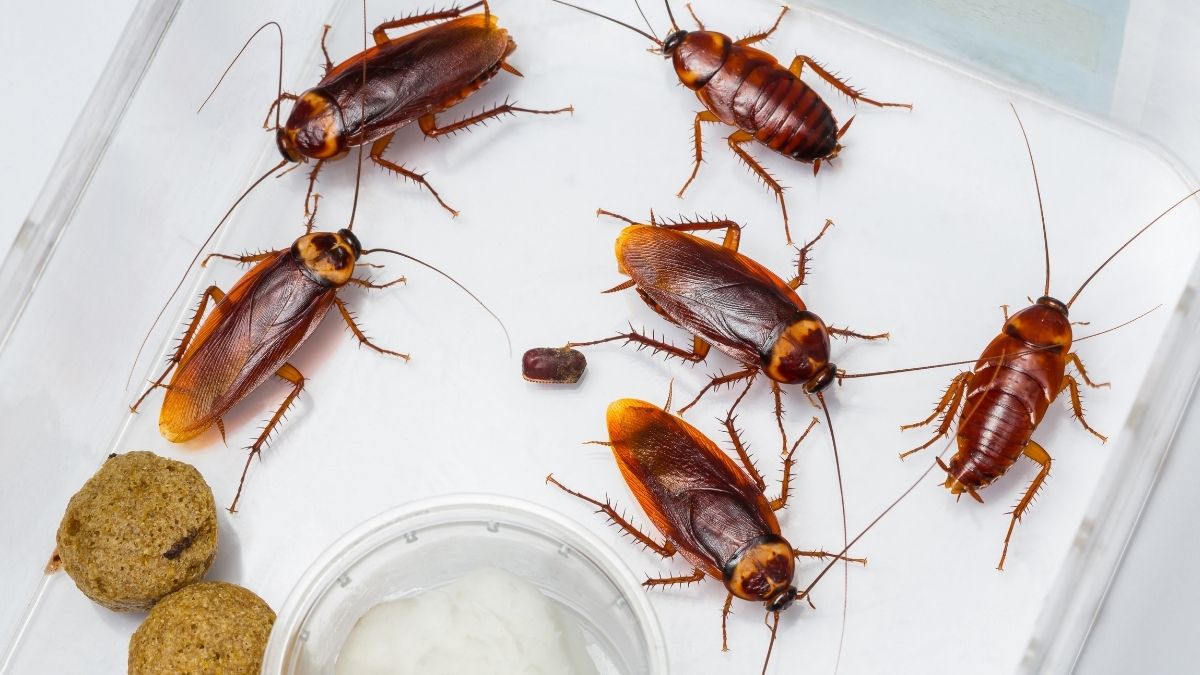
Cockroaches keep coming back after treatment mainly because apartment and condo buildings are not sealed, separate boxes. German cockroaches, the species behind most infestations in the GTA, travel through shared plumbing, wall voids, and other small openings that connect one suite to the next. So even a thorough treatment in your own unit will not last if an untreated colony is still breeding two walls away.
This pattern shows up constantly for anyone dealing with cockroaches in a Toronto apartment or a GTA condo, where older building stock, dense high-rises, and shared systems give roaches an easy route between homes. Understanding why cockroaches return, not just how to clean up after them, is the real starting point for cockroach prevention in Toronto’s multi-unit buildings.
Why Do Cockroaches Keep Coming Back After Treatment?
Cockroaches keep coming back after treatment when the root of the infestation, not just the roaches you could see, was never addressed. In a detached home, that usually means a missed nest or an untreated egg case. In an apartment or condo, the cause is often bigger than a single unit.
Five factors explain most repeat infestations in multi-unit buildings. An active colony is still established in a neighbouring suite. Egg cases (oothecae) survived the treatment and hatched days or weeks later. Food residue, grease, or standing moisture kept the unit attractive even after the visible roaches were killed. Small gaps around pipes, outlets, and baseboards were never sealed, so new roaches could simply walk back in. And roaches that fled the treated area during the application later wandered back once the product wore off.
None of this means the treatment failed. It means the treatment stopped at one unit’s property line, while the roach population did not.
How Cockroaches Move Between Condo and Apartment Units
Cockroaches move between condo and apartment units by following the same paths as the plumbing, wiring, and ventilation. A German cockroach’s flattened body lets it squeeze through gaps about as thin as a coin, so almost any penetration through a shared wall becomes a corridor.
A typical route looks like this: a roach forages in one kitchen, follows a plumbing gap under the sink into the wall void behind the cabinet, and travels along that void until it reaches a matching gap in the neighbouring unit. From there, it re-enters through a similar kitchen or bathroom penetration next door. This is one reason building-wide activity so often traces back to just one or two source units, even when the residents on either side keep genuinely clean kitchens.
The table below summarizes the main pathways technicians check for in apartment and condo buildings in Toronto and the GTA.
| Pathway | How roaches use it | Why it matters for you |
|---|---|---|
| Shared plumbing and pipe chases | Vertical chases run behind walls from unit to unit, floor to floor | One infested stack can seed several units above and below it |
| Wall voids | Provide dark, undisturbed space to nest and lay egg cases | Surface sprays in your unit never reach roaches living inside the wall |
| Electrical outlets and switch plates | Gaps around wiring often penetrate through to adjoining rooms or units | Outlets work as both hiding spots and travel points |
| Pipe penetrations | Unsealed gaps where supply lines and drains pass through walls or floors | The single most common entry point technicians find on inspection |
| Garbage and recycling rooms | Shared, food-rich common areas that connect back to multiple units | A poorly managed garbage room can reinfest an entire treated floor |
| Adjacent and stacked units | Roaches move sideways and between floors along the same service lines | Treating your unit while a neighbour’s stays active rarely holds |
Not every infestation involves every pathway. A newer, tightly sealed condo usually has fewer routes than an older walk-up, which is why a treatment plan needs to match the building rather than follow a generic checklist.
Why Cleaning Alone Doesn’t Always Stop a Cockroach Infestation
Cleaning alone does not always stop a cockroach infestation because sanitation removes food and shelter, but it cannot remove roaches that are already established behind a wall or inside a neighbouring unit. Cockroaches need very little to get by. A few crumbs, a damp dish rag, or a puddle under a leaking pipe is often enough to sustain a small population, even in an otherwise tidy home.
Treating cleanliness as the entire solution is one of the common pest control mistakes homeowners make. A spotless kitchen genuinely helps and will slow a new infestation. But if the building already has an established colony moving through shared walls, cleaning changes very little about where that colony actually lives and breeds.
Reintroduction is the other half of the problem. Roaches hitchhike in on delivery boxes, secondhand furniture, and shared laundry bags, and they wander in from hallways, garbage chutes, and neighbouring suites. Even a unit that has never had food left out overnight can pick up an infestation this way, which is one reason cockroaches keep coming back for reasons that have nothing to do with the current resident’s habits.
How Hard Is It to Fully Eliminate a Cockroach Colony?
Fully eliminating a cockroach colony is difficult because German cockroaches reproduce quickly, hide well, and protect their eggs from most surface treatments. A female can produce several egg cases over her lifetime, each holding dozens of eggs, and nymphs can reach adulthood in roughly six to eight weeks under warm indoor conditions. That reproductive speed is why a population that looks controlled can rebound within a single season.
| Cockroach fact | Approximate figure |
|---|---|
| Egg cases (oothecae) per female, lifetime | Up to 6 to 8 |
| Eggs per egg case | Roughly 30 to 40 |
| Time from nymph to adult | About 6 to 8 weeks in warm conditions |
| Survival without food | Several weeks |
| Survival without water | About one week |
Because each egg case is protected by a hard outer shell, many over-the-counter sprays kill the visible adults without affecting the next generation waiting to hatch. According to Health Canada, cockroach droppings and body parts are also a recognized trigger for people with asthma, which is part of why the agency recommends pairing sanitation with pesticides that carry a Pest Control Product (PCP) registration number, rather than relying on cleaning by itself.
Who Is Responsible for Cockroach Treatment in a Toronto Rental?
In most Toronto apartment and condo rentals, the landlord is responsible for cockroach treatment. Under Ontario’s Residential Tenancies Act, 2006, landlords must keep rental units, and the wider residential complex, in a good state of repair and fit for habitation, and pest infestations fall squarely under that duty. A lease clause that tries to shift full responsibility onto the tenant does not override this obligation.
Tenants still have a part to play. They are expected to keep their unit reasonably clean, report activity promptly, and cooperate with access for inspections. In a building with several affected units, one refusal can undermine treatment for the whole floor, since skipping even a single unit leaves a harbourage that can reinfest already-treated suites within weeks.
For property managers and landlords coordinating this kind of building-wide response, our guide to pest control for rental properties walks through scheduling access, documenting treatment, and meeting maintenance obligations across multiple units.
How to Break the Cycle of Recurring Cockroaches
Breaking the cycle starts with treating the building, not just the complaint. If you live in a condo or apartment and cockroaches keep coming back, ask your property manager or landlord whether neighbouring and adjoining units have also been inspected. That single question resolves more repeat infestations than any DIY product on its own.
Alongside coordinated treatment, a few habits make a real difference. Store food in sealed containers, wipe down counters and stovetops before bed, and take garbage out before it accumulates. Fix small leaks quickly, since even minor moisture is enough to sustain a population. Reduce cardboard storage, since pests often hide in the same overlooked spots such as behind appliances, inside cabinets, and along baseboards. Once treatment is complete, seal the visible gaps around pipes and outlets so new roaches from a neighbouring unit have fewer ways back in.
For infestations involving shared walls, egg cases, or activity across several units, a professional cockroach control service can inspect the full scope of the problem, coordinate treatment with the building, and follow up to confirm the population is actually gone rather than temporarily out of sight.
The Bottom Line
Cockroaches keep coming back in Toronto apartments and condos for a simple reason: the building is connected even when the units are not. Shared plumbing, wall voids, and common areas give roaches routes a single treatment cannot close alone. Coordinated treatment, sealed entry points, and consistent sanitation are what actually stop the cycle.
If your unit keeps testing positive despite your own efforts, our Toronto pest control team can inspect the full building picture and build a plan around how these infestations really spread.
FAQs
Why do I still see cockroaches after pest control treatment?
You may still see cockroaches after treatment if egg cases survived the application, if a neighbouring unit remains infested, or if entry points around pipes and outlets were never sealed. Roaches from an untreated area can repopulate a treated unit within a few weeks.
Can cockroaches come from a neighbour’s apartment?
Yes. Cockroaches regularly move between apartments and condo units through shared plumbing, wall voids, and electrical penetrations, especially in older buildings. This is a major reason isolated, unit-only treatment often fails in multi-unit housing.
How long does it take to get rid of cockroaches in an apartment building?
Most professional treatments involve an initial visit plus at least one or two follow-ups over several weeks, since insect growth regulators and baits need time to break the reproductive cycle. Building-wide infestations generally take longer to resolve than single-unit problems.
Does cleaning stop cockroaches from coming back?
Cleaning reduces food and moisture sources and helps prevent new infestations, but it will not remove roaches already established behind a wall or in a connected unit. Sanitation works best alongside professional treatment, not instead of it.
Is the landlord responsible for cockroach treatment in Ontario?
Generally, yes. Ontario’s Residential Tenancies Act requires landlords to keep rental units and common areas fit for habitation, which includes addressing pest infestations, while tenants are expected to keep their own unit clean and cooperate with treatment.