
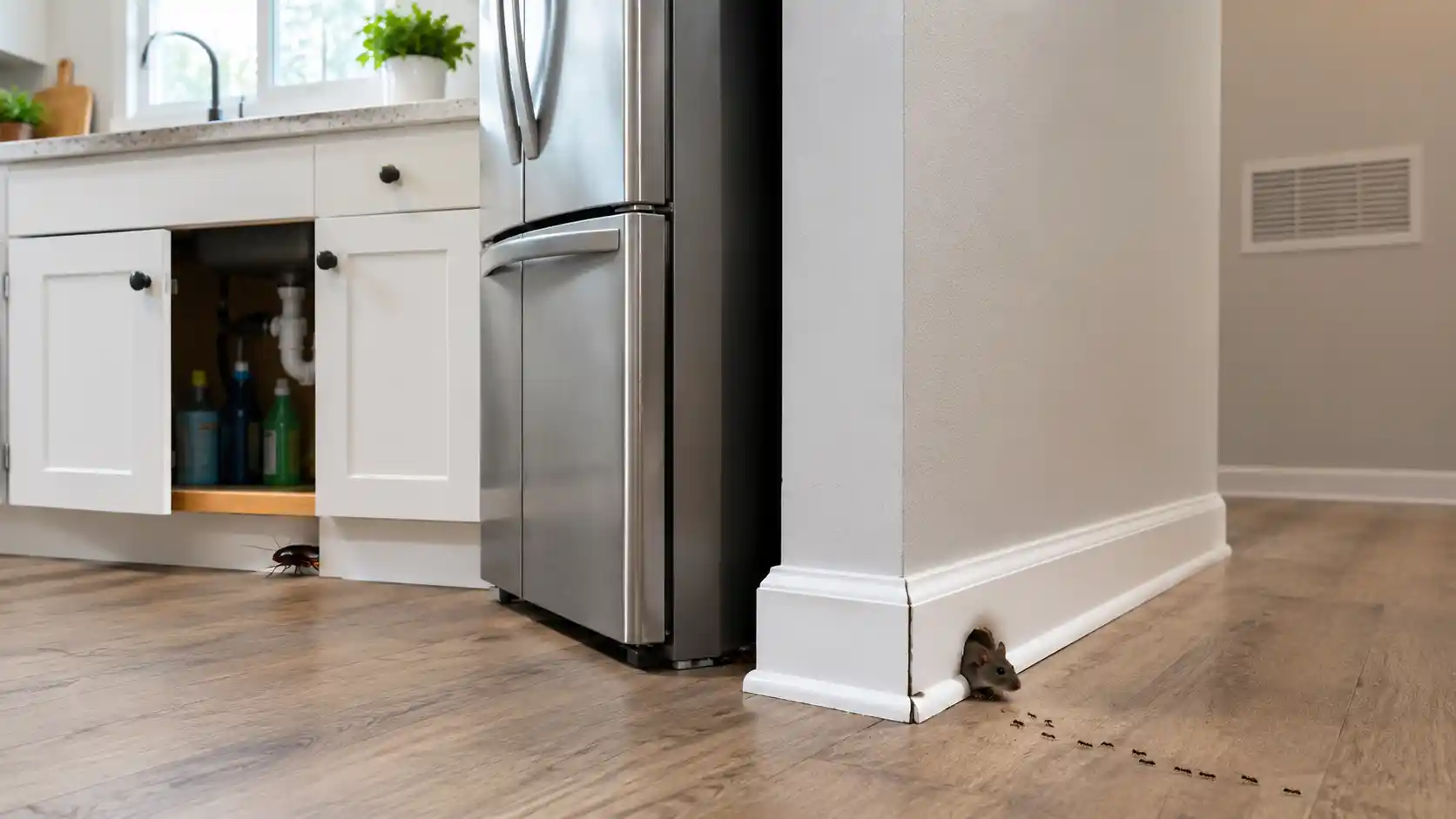
Unwanted guests only make things worse for your comfort and productivity. Pests tend to hide in the weirdest places we can’t even imagine. Hidden pests in home cause massive havoc, and when you find their mysterious spots, they have already done the damage. Handling a severe infestation in such situations can further depress homeowners.
You might think your home is secure from pests, but they have to find comfortable pest hiding spots for shelter, food, and to raise their young ones. These spaces provide them with perfect conditions that can lead to infestations. Learning about these spots and disrupting their sweet time, damaging your homes, is the right way to keep your spaces pest-free.
Forgotten or Weird Spots Where Pests Hide
Homeowners face various issues due to hidden pests in the home. They can prevent damage, costly treatments, and issues when they know about where these pests usually hide. Checking these spots as early as possible if you’re doubting about having pests in your house, is beneficial.
- In Walls
Walls are one of the most overlooked areas where pests can hide in your house. The hollow spaces inside walls and behind baseboards allow rodents and insects, such as ants and silverfish, to travel throughout the house. They remain unseen, which can further lead to damage. They are often left empty during construction. Rodents, termites, and cockroaches mostly take advantage of the wall cavities and areas under floors.
They get protected paths throughout the home. These areas also offer them access to food and warmth, making them ideal breeding grounds. Recognising these early warning signs, like soft floors, strange noises, or small holes in baseboards, helps prevent full-scale infestations. It also proves essential for improving your home’s integrity.
- Under the Sink
Pests can also hide under the sink. Mostly, it’s the kitchen sink, but the spaces under bathroom sinks are also not safe from pests. Frequent insects in such spaces are ants, rodents, spiders, etc. Pests like such spaces because they are isolated yet close to food and water. Some pests, like ants, use these spaces to access the kitchen for unlimited food sources.
It leads to worse situations, as handling a room full of infestations becomes more difficult. You can protect the space by moving items stored under the sink, especially if it’s crowded. It will help you check if there’s a pest presence. Also, check around the pipes for moisture-seeking pests who want to reach the sinks. Make sure to keep the area under the sink organised because pests love clutter. You can keep bottles and cans arranged in specific containers to simplify things.
- Around Appliances
Massive appliances set against the wall look undamaged. But they are also vulnerable to pest invasions, just like anything else. Siders, ants, roaches, and other pests like to live near these appliances for various reasons. Food crumbs and moisture appeal to them, but they also enjoy the warmth of the appliances. They prove essential for pests who prefer warm habitats, which provide great hiding spots.
Usually, appliances have a gap between them and the walls. There’s enough space for tiny pests to crawl and hide. Moving massive appliances around all the time is not possible. But you should keep the items around them clean. Also, keep the doors to your dishwasher, fridge, and dryer closed. It prevents the entry of pests into such appliances. You must also clean the crumbs of food out of the appliances. It eliminates the food sources for hungry pests.
- In the Closet
Closets are magical spaces to keep your clothing, equipment, and unfinished crafting projects safe. But they are also incredible hiding spots for pests, especially if the items have been sitting in the closets for years. Because of the availability of organic materials found in these spaces, frequent invaders are usually clothes moths, silverfish, carpet beetles, and dust mites.
Shoes, clothing, untouched papers, cardboard boxes, etc., all can attract the pests. The laundry in the closets is usually shuffled due to laundry and utilisation. A quick inspection will tell you if the pests are invading these spaces. If the closet is carpeted, vacuum it regularly to remove food crumbs and unseen pests. Also, try to keep your closet organised. Just keep non-clothing items in containers with lids to prevent massive damage.
- Unwashed Laundry
Laundry is a hassle, without any doubt. But the threat of pest infestations can cause through dirty laundry. When you don’t touch the laundry for a while, it becomes a safe space for the tiny yet dangerous creatures. Rodents especially love to stay in dirty laundry. If your clothing has any food stains or residue, it also attracts the pests.
Doing laundry daily is not a practical solution. But to avoid pest infestations, keeping the laundry pile to a minimum is essential. You should keep all the dirty clothes in hampers or baskets because leaving them on the floor is like offering easy access to the pests. You must also quickly handle the stains on your clothing to prevent attraction sources for the pests.
- In the Attic
If your attic hasn’t been used or inspected much, it’s a great hiding spot for pests. These pests can damage the wiring, baseboards, walls, insulations, etc with their strong teeth and claws. The wiring is especially an adverse issue because it leads to potential issues and concerns for a potential fire hazard.
High-quality insulation is essential for keeping the pests out. It doesn’t mean the attic is immune to infestations, especially if no one ever inspects the attic. If your attic has had pest issues in the past, regularly checking, maintaining, and cleaning it is essential.
- Plants and in the Shed
Plants and sheds are common breeding grounds for the pests. They love to hide in such spots. Spraying your plants with water while ensuring to avoid overwatering is necessary. If the leaves are showing signs of holes, jagged edges, or yellow colouring, they are signs of pest infestations.
Pruning affected leaves and flowers is also vital to limit the problem to a certain extent. Sheds are also not accessible every day. The clutter and uncleaned spaces become attractive to pests. Place ant and rodent traps in the corners to prevent these pests. Dust away any spider webs and look for live pests that you may have missed. Moving items once in a while is also a great way to keep your spaces in good condition.
- In Boxes and Papers
Pest infestations happen due to a scattered collection of papers, files, and boxes. When you shove items irresponsibly in a room or closet, they become incredible hiding spots for the pests. A simple stack of cardboard boxes that sit untouched for years is enough to attract pests. You can use plastic tubs with secure lids instead of cardboard boxes to store your files.
They are easy to store and offer protection against pests, moisture, and dirt. But if you don’t want to completely switch your containers, regularly check and clean them. Pest droppings and chew marks completely damage the documents. That’s why catching pests before they cause severe damage is necessary.
Signs of Pest Infestations
There are various signs to learn about the hidden pests in the home. Considering these signs within time helps prevent damage and costly treatments.
1. Unusual Noises in Walls or Ceilings
Scratching, scurrying, or chewing sounds, especially at night, are common signs of rodents or larger pests hiding inside walls, attics, or ceilings. Mice and rats are often more active after dark, making noises easier to hear during quiet hours. Ignoring these sounds can allow infestations to grow unnoticed.
2. Droppings Around the Home
Finding small droppings near cupboards, baseboards, food storage areas, or under sinks often points to pest activity. Rodents, cockroaches, and other pests leave waste behind wherever they travel or nest. The size and shape of droppings can also help identify the type of pest present.
3. Strange or Musty Odours
Persistent unpleasant smells may indicate hidden pests in your home. Rodents, cockroaches, and even dead pests trapped in walls can create strong odours over time. A musty smell in rarely used spaces may also suggest nesting activity or moisture-related pest problems.
4. Property Damage or Chewed Materials
Damaged wires, gnawed furniture, torn food packaging, or holes in walls are common warning signs of infestation. Rodents constantly chew to wear down their teeth, while termites and carpenter ants can damage wooden structures. Early damage is often subtle but worsens quickly.
5. Visible Pest Activity or Nesting Materials
Seeing insects or rodents during the day can sometimes signal a larger hidden infestation. You may also notice shredded paper, fabric, insulation, or small nesting piles in quiet corners. Pests often stay hidden, so visible activity usually means their population has increased.
Pest Prevention Strategies
Investing in general practices that help in preventing pest infestations is beneficial. The following simple tasks can help you with such purposes.
- Seal All Entry Points
Pests are little creatures and can fit anywhere. That’s why sealing all the entry points, holes, cracks, etc., that can lead to pests invading your home is essential. Inspect your indoor and outdoor walls for any imperfections. Then, seal the gaps and cracks with waterproof caulking.
- Fix All Leaks
Most pests love moisture. That’s why eliminating extra water cuts down on the number of pests that you usually see. You can check the plumbing and under the sink areas for any new leaks. Fix them quickly to prevent infestations.
- Proper Food Storage
You can keep your food safe and fresh in airtight containers and zip-top bags. It also helps in keeping the pests away from your food. Anything you keep in the pantry and cabinets must be kept in safe containers. For pets’ food, store their dry food in lidded containers.
- Reduce Clutter
You can throw random boxes in the attic and call it a day. But the massive clutter is a source of massive infestations. Prefer plastic tubs to store such items and keep the spaces organised.
Investing in professional pest control services is a game-changer for homeowners. They can get one-time or long-term pest control services according to their preferences. Invaders Canada is a professional pest exterminator company. You can contact us to get pest control services for both residential and commercial spaces.
Conclusion
To conclude, hidden pests in home are a damaging situation for homeowners and businesses alike. Learning about the different spots where pests usually hide is necessary to avoid expensive services.
When you know what to do about the different spots that can prove breeding grounds for pests, you can ensure better control. Preventing pests from becoming quite simple when you know which things to avoid. But in difficult situations, using our professional pest control services from Invaders Canada is the only solution.
FAQs
What are the most common hidden pests in home spaces?
The most common hidden pests in home areas include cockroaches, ants, mice, rats, bed bugs, silverfish, spiders, termites, and pantry pests. These pests often hide in dark, quiet places such as basements, attics, wall voids, and behind appliances.
Where do pests hide in a house?
If you are wondering where pests hide, common areas include behind kitchen appliances, under sinks, inside walls, attics, crawl spaces, furniture, storage boxes, and cracks near windows or doors. Pests prefer warm, dark, and moisture-rich environments.
How can I tell if hidden pests are living in my home?
Signs of hidden pests include scratching noises in walls, droppings, strange odours, damaged food packaging, shed insect skins, bite marks, or visible pest activity at night. Early signs are often subtle and easy to overlook.
Why do pests hide instead of staying in open areas?
Pests hide to stay safe from humans and predators while accessing food, water, and shelter. Hidden spaces also provide ideal breeding conditions, allowing infestations to grow unnoticed over time.
How do I prevent pests from hiding in my home?
To reduce pest hiding spots, keep your home clean, seal cracks and gaps, repair plumbing leaks, reduce clutter, store food in airtight containers, and inspect hidden areas regularly. Routine maintenance helps prevent infestations before they start.
Why DIY Pest Control Often Fails?