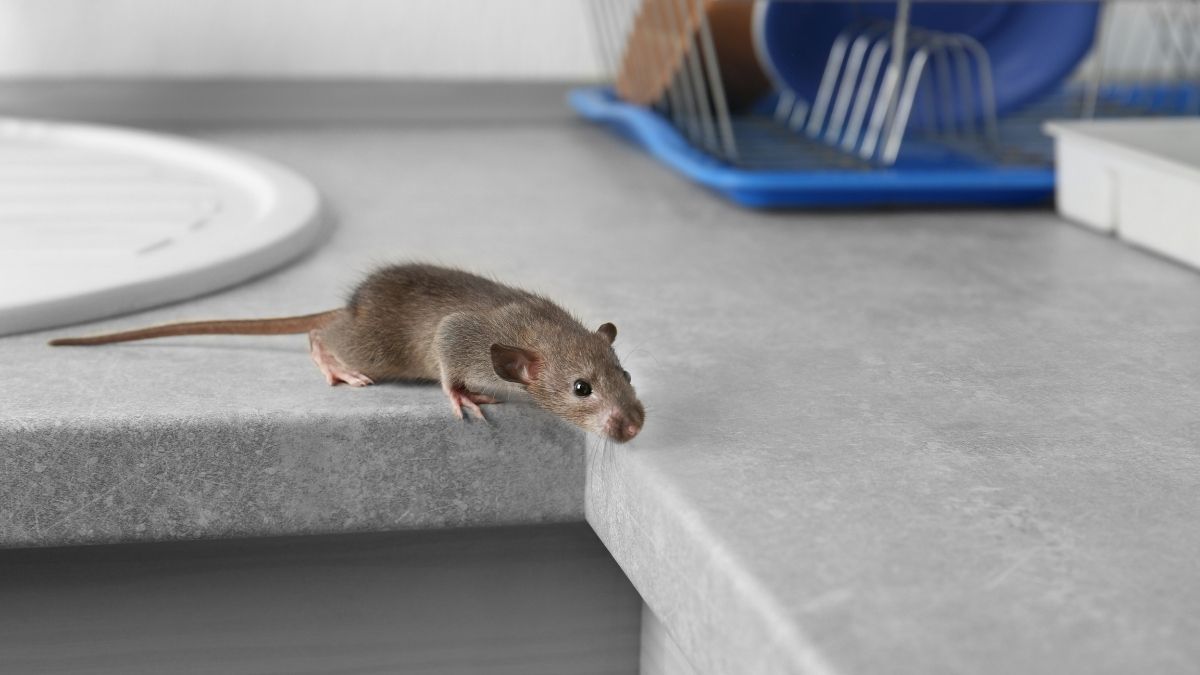
Construction causes rats and mice to move because excavation, demolition, and sewer or utility work destroy the burrows, nests, and underground tunnels rodents were already living in. Once that shelter is gone, the rodents do not disappear. They look for the next closest source of warmth, food, and cover, and a home next door or across the street is usually the easiest option available.
If you have started noticing droppings, scratching in the walls, or rats in the yard since a project broke ground nearby, you are not imagining a pattern. Pest control companies across the GTA have reported a sharp rise in rodent calls tied directly to construction activity, and the City of Toronto has taken the issue seriously enough to build a formal response plan around it.
Here is what is actually happening underground, what to watch for, and what to check around your own property while the work next door is underway.
Digging, Demolition, and Sewer Work Force Rodents Out
Rats and mice do not relocate because they want to. They relocate because their environment stops being livable.
Three parts of a typical construction project are responsible for most of that disruption.
- Soil disturbance. Excavation for foundations, footings, or landscaping cuts straight through the burrow systems rats dig a few feet below the surface. A colony that has lived undisturbed for months can be displaced in a single afternoon of digging.
- Demolition. Older sheds, garages, and houses slated for teardown are common nesting sites, especially in attics, wall voids, and crawl spaces. Once the structure comes down, every rodent living inside it needs a new address immediately.
- Sewer and utility line work. Rats travel and nest inside sewer systems more often than most homeowners realize. Trenching for new pipes, water lines, or drainage work breaks up these underground routes and pushes rats up to street level, often close to the nearest houses.
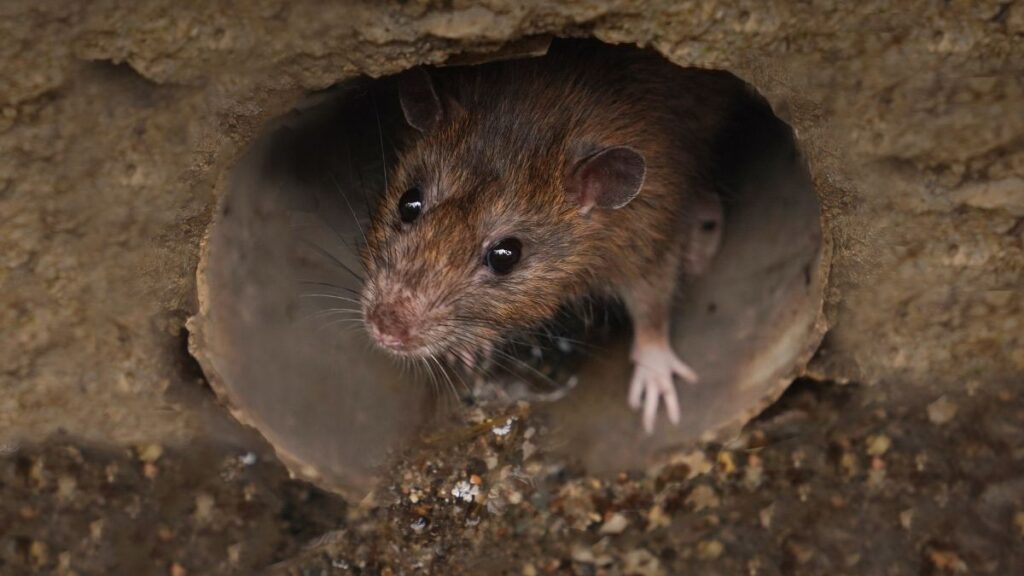
Any one of these on its own can send a handful of rodents looking for shelter. A large-scale demolition or infrastructure project can displace dozens at once, which is part of why residents near major projects in the GTA sometimes describe a sudden, visible jump in activity.
If you are dealing with an active rodent presence rather than just prevention, professional rodent control is usually faster and more reliable than DIY traps alone, particularly once rats have already established a route into the house.
Lost Food Sources Push Rodents Toward Homes, Not Away From Them
Construction does not just remove shelter. It also strips away the food sources rodents were relying on nearby, such as vegetation, compost, discarded scraps, or whatever a now-demolished structure offered. With their usual food gone and heavy machinery making the site itself unlivable, displaced rodents move toward the calmest, most resource-rich option within a short distance, which is almost always a residential property. Garbage bins, pet food left outdoors, bird feeders, and compost all become significantly more attractive once a rodent has lost its original territory.
This pattern shows up consistently across dense, fast-growing parts of the GTA, where construction sites sit close to established residential streets rather than in isolated areas. A vacant lot or teardown site next to a row of houses gives rodents almost nowhere else to go once their original habitat is disturbed.
Toronto’s Rat Numbers Back This Up
This is not just anecdotal. Pest control providers across the city have reported a marked increase in residential rat calls tied to nearby construction and demolition, particularly around large infrastructure and condo projects.
The pattern was significant enough that the City of Toronto now tracks rat activity and prevention measures as part of its public health services, and city council has moved forward on a coordinated rat response strategy that specifically names construction displacement as a contributing factor. None of this means every construction project will cause a rat problem at your address, but it does mean the connection between digging, demolition, and rising rodent activity nearby is well documented rather than a coincidence.
Why It’s Worth Taking Seriously, Not Just Annoying
A rat or mouse that wanders onto a property because of nearby construction is not a purely cosmetic problem. Once rodents settle in, they chew through wiring, insulation, and stored belongings, and their droppings and urine can spread bacteria in areas like basements, garages, and kitchens.
According to Health Canada, rodents can carry and spread diseases through their droppings, urine, and saliva, which is part of why cleanup after an infestation needs to be handled carefully rather than simply swept or vacuumed. None of this means a single sighting is cause for alarm, but it does explain why homeowners near active construction sites are better off checking for entry points early rather than treating rodent activity as something that will sort itself out.
Homeowner Checklist: What to Check If Construction Starts Next Door
You do not need to wait for visible signs of rodents before tightening up your property. The moment work begins on an adjacent lot, it is worth walking the exterior of your home and checking the entry points rodents rely on most.
| Area | What to check | Why it matters |
|---|---|---|
| Foundation | Hairline cracks, gaps where siding meets concrete, weep holes | A rat only needs a gap the size of a quarter, a mouse needs a gap the size of a dime |
| Garage door | Worn rubber seal along the bottom edge | A common, overlooked entry point directly into an attached structure |
| Exterior pipes | Gaps around where water, gas, or cable lines enter the house | Construction vibration can widen existing gaps around these penetrations |
| Vents | Dryer, soffit, and foundation vents without intact mesh screens | Unscreened vents are a direct route into attics and crawl spaces |
| Door sweeps | Gaps under exterior doors, especially older or settled doors | Rodents can squeeze under a door sweep that no longer sits flush |
| Garbage storage | Bin lids that do not seal tightly, bins stored against exterior walls | Displaced rodents are actively searching for accessible food nearby |
| Basement | Clutter, stored boxes, and gaps around utility penetrations | A quiet, undisturbed basement is an ideal nesting spot once rodents get inside |
None of these checks guarantee a rodent-free property on their own, but sealing even two or three of the most obvious gaps meaningfully reduces how easy your home is to get into compared with the house next door that has not been checked at all. Most of this work is straightforward for a homeowner to do in an afternoon with steel wool, caulk, and a roll of hardware mesh.
The exception is anywhere you already suspect active rodent presence, such as scratching sounds behind a wall or droppings inside the garage, since sealing an entry point without addressing a rodent already inside can trap the problem rather than solve it. In that situation, an inspection before sealing anything is the safer order of operations, and it also gives you a clearer picture of whether you are dealing with mice, Norway rats, or roof rats, since each nests and travels differently around a property.
It is also worth talking to immediate neighbours if a project is underway on a shared lot line. Rodents do not respect property boundaries, and a household two doors down that has already spotted activity is a useful early warning that your own property may be next.
Signs a Nearby Project Has Already Pushed Rodents Onto Your Property
Because displaced rodents often move quickly once their habitat is disrupted, it is worth checking your property for activity as soon as construction starts nearby rather than waiting for an obvious infestation. Common early indicators include small dark droppings along baseboards or in the garage, scratching or scurrying sounds in walls or ceilings at night, gnaw marks on wood, wiring, or stored boxes, and greasy rub marks along the base of walls where rodents travel repeatedly.
A more complete breakdown of what to look for, including signs specific to different pest types, is covered in our guide to common signs of a pest infestation in GTA homes.
How Long the Risk Sticks Around
Rodent pressure from a nearby project usually peaks during the most disruptive phases, meaning excavation, demolition, and any trenching for utilities or sewer lines. Once a project moves into the building phase and the ground stops being actively disturbed, new displacement tends to slow down. That said, any rodents that already found their way into a nearby home during the disruptive phase will not leave on their own once the noise stops. If you noticed activity while work was underway, it is worth having the property checked even after construction quiets down, since an established nest rarely resolves itself.
This pattern shows up in similar form in our guide to rat control in Mississauga, where growth-driven construction has produced comparable timing. If you are unsure whether what you are seeing is new activity or an existing problem that construction simply made more visible, a quick call is usually faster than guessing.
You can contact us to arrange an inspection before the situation gets harder to reverse.
Bottom Line
Construction causing rats is less about bad luck and more about basic rodent behaviour. When their underground habitat is torn up, they move to the nearest livable alternative, and a nearby home is usually the easiest option on offer. Homeowners near active GTA construction sites do not need to panic, but a quick property check and a bit of proactive sealing around foundations, vents, and doors goes a long way toward staying on the outside of that pattern rather than becoming part of it. If you are already seeing signs of activity, it is worth getting ahead of it before the rodents settle in for the winter.
FAQs
Does construction near my house always mean I’ll get rats?
No. Not every project displaces a large rodent population, and homes with well-sealed foundations, vents, and doors are considerably harder to get into. The risk rises with the scale of digging or demolition involved and how close the site sits to your property, but it is not automatic.
How long after construction ends does the rodent risk last?
Displacement activity tends to slow once excavation and demolition phases finish, but any rodents that already moved into a nearby home during that period will typically stay unless the entry points are sealed and the nest is addressed directly. A quiet job site does not mean an existing problem has resolved on its own.
Is the construction company responsible for rodent control on my property?
Generally not for private homes nearby, though Toronto’s evolving rat response strategy has started introducing expectations around rodent management on city-led construction sites specifically to reduce displacement into neighbouring properties. For most residential situations, prevention and treatment on your own property remain the homeowner’s responsibility.
What’s the difference between construction-driven rats and a regular infestation?
The underlying rodent is the same, but construction-driven activity tends to appear suddenly, often clustered in the weeks after digging or demolition starts nearby, rather than building gradually over a season. That sudden timing is usually the clearest clue that a nearby project is the trigger.
Should I wait until I see a rat before doing anything?
It is better not to. Rodents are largely nocturnal and often active inside walls or basements well before a homeowner spots one directly. Checking common entry points as soon as nearby construction begins, rather than after signs appear, gives you a real head start.