
Summary
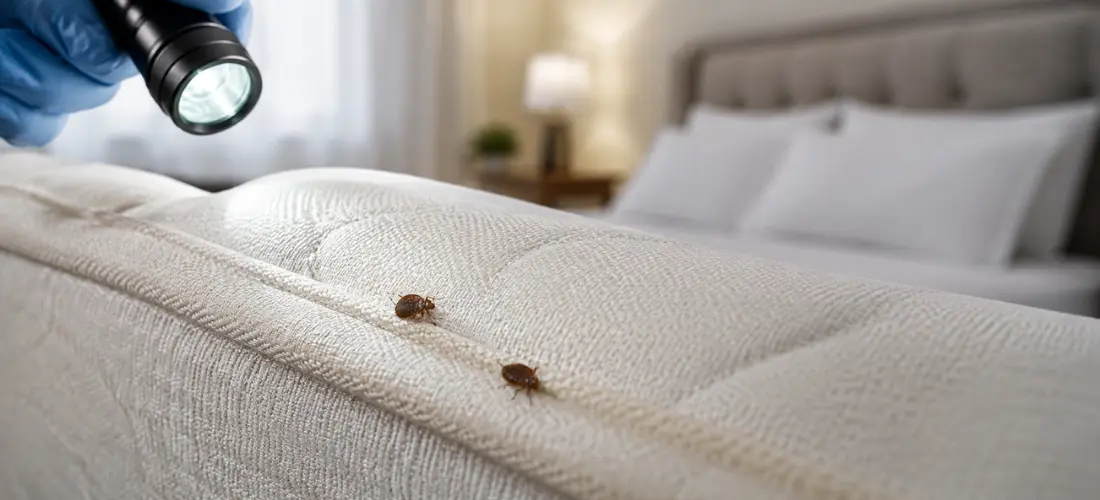
“Bed bug treatment GTA services are designed to inspect, control, and eliminate bed bugs from homes, condos, apartments, rental units, and commercial properties across the Greater Toronto Area. The best approach usually combines professional inspection, targeted local treatment, preparation, follow-up visits, and prevention steps to stop the infestation from spreading or returning.”
Bed bugs are one of the most stressful pests for GTA homeowners, tenants, landlords, and business owners. They are small, difficult to spot, and very good at hiding close to where people sleep or rest. A small issue around a mattress or bed frame can quickly become a bigger problem if it is ignored. Timely bed bug treatment in the GTA can help avoid their infestations. The Greater Toronto Area has many conditions that make bed bug problems more common.
Dense housing, shared walls, rental buildings, hotels, student housing, public transit, second-hand furniture, and frequent travel can all increase the chance of bed bugs moving from one place to another. Bed bugs do not appear because a home is dirty. They spread by hitchhiking on luggage, clothing, furniture, bedding, and personal belongings. Learning the signs of bed bug infestation and how to handle them can help make a difference.
Why Bed Bug Problems Need Fast Action in the GTA?
Bed bugs are not easy to remove with basic cleaning. They hide in tight spaces, feed mostly at night, and can stay out of sight during the day. By the time bites appear, the problem may already be active in the sleeping area.
Fast action matters because bed bugs can spread from one room to another. In condos and apartment buildings, they may also move through shared walls, hallways, laundry rooms, furniture movement, or connected units. That is why local treatment should focus not only on the bed but also on nearby furniture, baseboards, cracks, and hidden areas.
For GTA homes, the best results usually come from a complete plan. That plan should include inspection, preparation, treatment, follow-up, and prevention. Treating only the visible bugs is rarely enough.
Common Signs You May Need Bed Bug Removal GTA Services
Bed bugs are small, but they leave clues. The most common signs include:
- Small red or itchy bites on exposed skin.
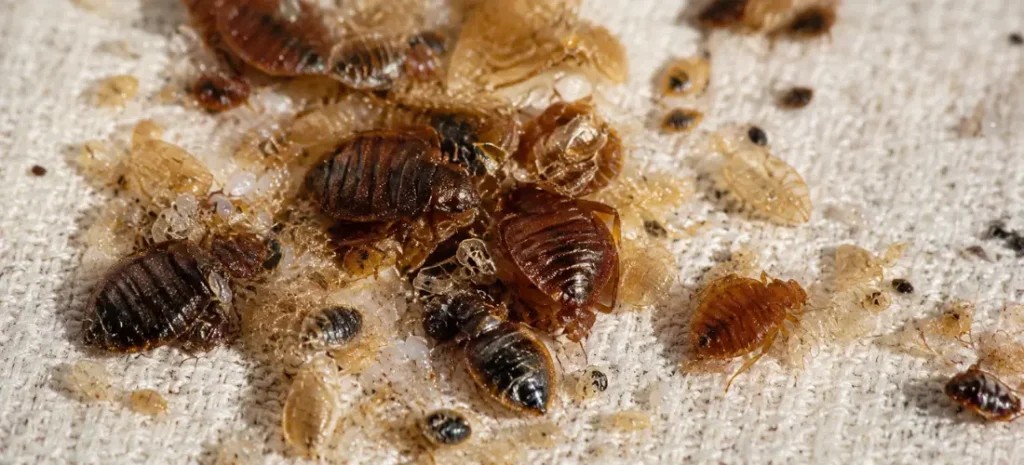
- Dark spots on sheets, mattress seams, or furniture.
- Rust-coloured stains from crushed bugs.
- Tiny pale eggs or eggshells.
- Shed skins near hiding areas.
- Live bugs around the mattress, box spring, bed frame, headboard, couch, or baseboards.
- A musty smell in heavier infestations.
Bites alone do not confirm bed bugs. Some people react strongly, while others show little or no reaction. Bed bug bites can also look similar to mosquito, flea, or skin irritation marks. The best confirmation is finding physical evidence.
Where do Bed Bugs Hide in Homes?
Bed bugs prefer to stay close to a sleeping or resting person. In most homes, the first inspection should focus on the bedroom or couch area.
Check these areas carefully:
- Mattress seams and piping.
- Box spring corners.
- Bed frame joints.
- Headboard cracks.
- Nightstands and drawer gaps.
- Baseboards behind the bed.
- Electrical outlet edges.
- Sofa seams and cushions.
- Curtain folds near sleeping areas.
- Closet edges near luggage or stored bedding.
- Cracks in wood furniture.
- Wall gaps and loose wallpaper.
Do not move infested furniture from room to room. This can spread the problem. If you suspect bed bugs, keep the affected area contained as much as possible until a proper inspection is completed.
Bed Bug Treatment GTA: Step-by-Step Process
Reading a bed bug treatment guide helps homeowners follow a clear process from inspection to follow-up.
1. Inspection and Confirmation
The first step is to confirm whether bed bugs are actually present. A technician will usually inspect the mattress, bed frame, furniture, baseboards, and nearby hiding areas.
In multi-unit properties, surrounding units may also need attention if the problem is spreading. The goal is to understand how serious the infestation is and where treatment is needed.
2. Preparation Before Treatment
Preparation makes treatment more effective. This may include washing bedding, drying clothing on high heat, reducing clutter, moving furniture away from walls, and placing items in sealed bags.
Preparation should be careful, not rushed. Throwing items around or moving them through the home can spread bed bugs. Follow the preparation instructions provided by the pest control company.
3. Local Treatment of Infested Areas
Local treatment focuses on the places where bed bugs hide. This may include the mattress area, bed frame, box spring, baseboards, couch, furniture cracks, and room edges.
Depending on the situation, treatment may involve steam, vacuuming, professional insecticide application, dust products, encasements, heat treatment, or a combination of methods.
4. Monitoring and Follow-Up
Bed bugs can be difficult to eliminate in one visit, especially if eggs are present or the infestation is advanced. Follow-up visits in a thorough bedbug control procedure help confirm whether activity is still present and whether another treatment is needed. Monitoring tools, mattress encasements, and careful inspection can help detect remaining activity early.
DIY vs Professional Bed Bug Treatment
Some small issues may be reduced with careful DIY steps, but established infestations usually need professional help.
| Option | Best For | What It Can Do | Main Limitation |
|---|---|---|---|
| Vacuuming | Immediate reduction | Removes visible bugs, eggs, and debris | Does not reach hidden bugs deep inside cracks |
| High-heat laundry | Clothing, bedding, washable fabrics | Helps kill bed bugs on washable items | Cannot treat furniture, walls, or full rooms |
| Steam treatment | Mattress seams, furniture edges, cracks | Targets bugs in direct contact areas | Requires slow, careful application |
| Mattress encasement | Protection and monitoring | Traps bugs inside and reduces hiding spots | Does not solve the whole infestation alone |
| Store-bought sprays | Very limited situations | May kill some visible bugs | Misuse can spread bugs or create safety risks |
| Professional treatment | Active or spreading infestation | Targets hiding areas with a complete plan | Requires preparation and follow-up |
DIY methods can support control, but they should not replace proper treatment when the infestation is active in multiple areas.
Professional Treatment Methods Used for Bed Bugs
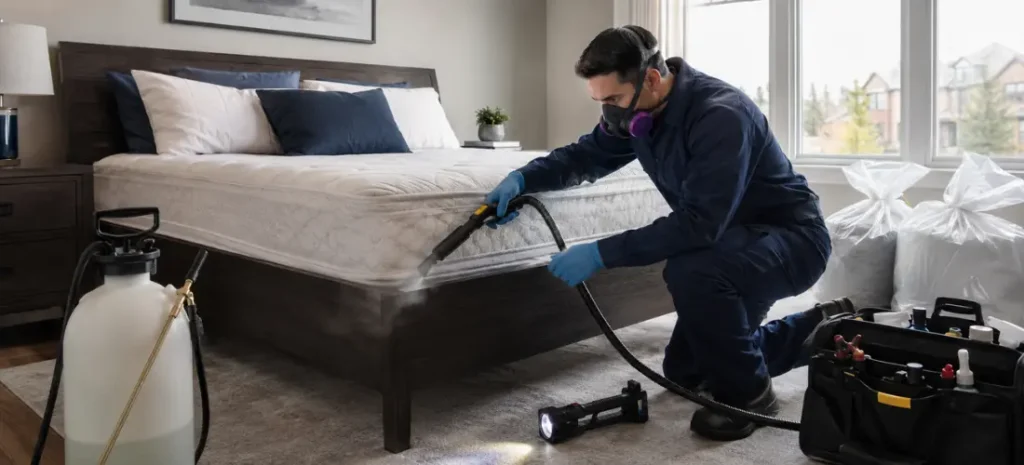
A bed bug exterminator GTA service may use different methods depending on the property, infestation level, and safety needs.
Heat Treatment
Heat treatment uses high temperatures to target bed bugs in a treated space. It can be useful because heat can reach areas where sprays may not easily reach. However, it must be done correctly with professional equipment and proper monitoring.
Heat treatment may still require preparation, and some properties may need additional follow-up depending on the severity of the infestation.
Chemical Treatment
Professional chemical treatment uses approved pest control products in targeted areas. These are typically applied to cracks, crevices, bed frames, baseboards, furniture joints, and other hiding places.
This method should be handled by licensed professionals. Overusing sprays or using the wrong products can be unsafe and ineffective.
Steam Treatment
Steam can be useful for mattresses, furniture seams, bed frames, and other direct-contact areas. It works best when applied slowly and carefully. Steam is often part of an integrated treatment plan rather than a complete solution by itself.
Integrated Pest Management
Integrated Pest Management, often called IPM, combines inspection, treatment, physical removal, prevention, monitoring, and education. This approach is usually more reliable than depending on one product or one visit.
For GTA homes and rental units, IPM is often the smarter approach because bed bugs can hide in many places and may spread between rooms or units.
What to Do Before Bed Bug Treatment?
Before treatment, follow the instructions given by your pest control provider. Most preparation plans include practical steps like:
- Wash sheets, pillowcases, and bedding.
- Dry clothing and fabrics on high heat where safe.
- Place clean items in sealed bags or bins.
- Reduce clutter around beds and couches.
- Move furniture slightly away from walls if instructed.
- Empty drawers only if requested.
- Do not move suspected infested items into clean rooms.
- Avoid using random sprays before the technician arrives.
Do not throw away your mattress without advice. Dragging an infested mattress through the home or building can spread bed bugs. In many cases, the mattress can be treated and protected with an encasement.
What to Expect After Bed Bug Treatment?
Seeing a few bed bugs after treatment does not always mean the service failed. Some treatments take time to work, and hidden bugs may come out after the area has been disturbed.
After treatment, keep monitoring the area. Avoid deep cleaning treated zones too soon unless your provider tells you it is safe. Continue using mattress encasements if recommended. Keep beds slightly away from walls and avoid letting bedding touch the floor.
If bites or sightings continue, schedule a follow-up inspection. Bed bug control often requires patience and consistency.
How to Choose a Bed Bug Exterminator GTA Residents Can Trust?
Not every pest control company handles bed bugs with the same level of care. Before booking a service, ask practical questions.
- Do they inspect before treating?
- Do they explain the treatment method clearly?
- Do they provide preparation instructions?
- Do they offer follow-up visits?
- Are they licensed to apply pest control products in Ontario?
- Do they treat mattresses, bed frames, furniture, and baseboards?
- Do they use an integrated approach instead of only spraying visible areas?
- Do they explain what to expect after treatment?
A trustworthy provider should be clear, realistic, and specific. Be careful with anyone promising instant results without inspection or follow-up.
Prevention Tips After Bed Bug Removal
After bed bug removal GTA service is completed, prevention becomes the next priority. You cannot fully control every exposure, but you can reduce risk.
- Inspect hotel beds before unpacking.
- Keep luggage off beds and floors while travelling.
- Wash and dry travel clothes after returning home.
- Be careful with second-hand furniture.
- Use mattress and box spring encasements.
- Reduce clutter around sleeping areas.
- Check beds and couches regularly.
- Report building infestations quickly.
- Avoid moving infested items through shared hallways without sealing them.
Prevention is especially important in the GTA because people move frequently between homes, rentals, hotels, offices, schools, transit, and shared buildings.
When Should You Call for Professional Help?
You should call a professional if you see live bed bugs, keep waking up with bites, find stains on the mattress, notice activity in more than one room, or live in a condo or apartment where the problem may spread. Professional help is also important if you have children, seniors, pets, health concerns, or a heavy infestation.
Random DIY spraying can make the issue worse if bed bugs scatter into walls, furniture, or nearby rooms. A proper local treatment plan saves time, reduces stress, and gives you a better chance of fully controlling the infestation.
Invaders Canada is a professional pest extermination company and offers bed bug infestation treatments to both residential and commercial spaces.
We utilize advanced tools and a combination of pest extermination strategies to ensure long-term prevention of bed bugs. WhatsApp us today for more details.
Conclusion
To conclude, bed bugs are stressful, but they can be controlled with the right plan. The most important steps in a bed bug treatment in the GTA are early detection, careful preparation, targeted treatment, and proper follow-up. For GTA residents, bed bug problems should be handled quickly because homes, condos, apartments, and rental buildings are often closely connected. Whether the issue is small or already spreading, a structured treatment plan is far better than guessing. If you suspect bed bugs, inspect the mattress, bed frame, and nearby furniture first. Avoid moving items through the home, do not rely on bites alone, and contact a qualified local pest control provider when signs are clear.
FAQs
What is the best bed bug treatment in the GTA?
The best bed bug treatment in the GTA is usually a professional plan that includes inspection, targeted treatment, preparation, and follow-up. Depending on the infestation, this may include heat, steam, approved insecticides, vacuuming, encasements, and monitoring.
Can I remove bed bugs myself?
You can reduce bed bugs with vacuuming, high-heat laundry, steam, clutter reduction, and mattress encasements. However, active infestations usually need professional treatment because bed bugs hide deep inside cracks, furniture, and bed frames.
How do I know if I have bed bugs or just bites?
Bites alone are not enough to confirm bed bugs. Look for live bugs, dark spots, rust-coloured stains, eggs, shed skins, or activity around the mattress, box spring, bed frame, couch, and baseboards.
How long does bed bug treatment take?
Treatment time depends on the size of the property, infestation level, treatment method, and preparation. Some services may take a few hours, while severe infestations may need multiple visits and follow-up inspections.
Should I throw away my mattress if I have bed bugs?
Not always. Many mattresses can be treated and protected with an encasement. Throwing away a mattress without proper handling can spread bed bugs through the home, hallway, elevator, or building.