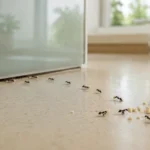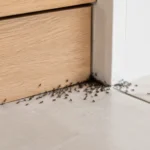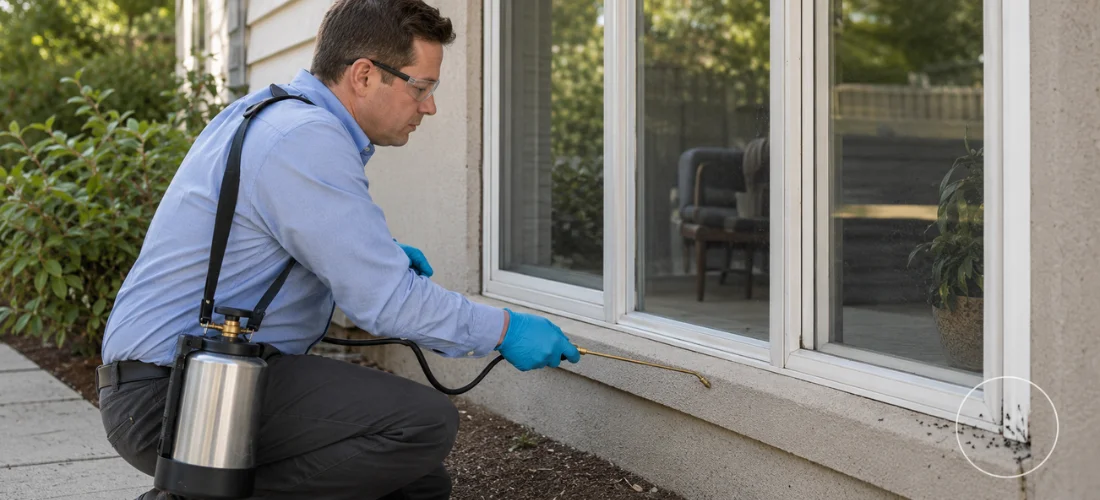
The most reliable pest control tips GTA residents can follow are to block entry points, remove food and moisture, inspect the property regularly, respond to seasonal pest activity, and call a licensed professional before a small problem becomes an infestation. These five actions address the conditions that attract pests instead of relying only on sprays or traps after they appear.
Pests rarely enter a home without a reason. They are usually looking for food, water, warmth, shelter, or an easy nesting place. Following practical pest control tips GTA households can maintain throughout the year helps reduce health risks, prevent property damage, and avoid the cost of repeated treatments.
The key is to make prevention part of normal home maintenance rather than waiting until pests are already established. Dense neighborhoods, attached homes, construction, humid summers, and cold winters create distinct pest-control challenges across the GTA. Homeowners need a plan that changes with the season, because varying seasons require different measures.
Why Pest Prevention Matters in the GTA?
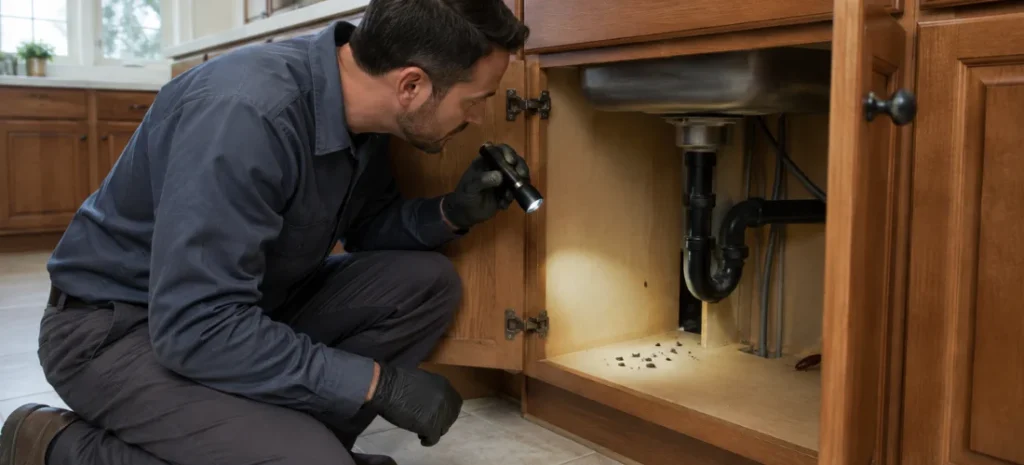
Visible pests can be the first sign of a larger problem. Cockroaches hide behind appliances and inside wall voids, mice travel through ceilings and cabinets, and wasps may build nests in difficult roofline cavities.
The list of common household pests GTA residents encounter includes mice, rats, cockroaches, ants, bed bugs, spiders, wasps, flies, silverfish, and stored-product insects.
Rodents can damage wiring and contaminate food. Cockroaches may spread bacteria and aggravate allergies. Bed bugs interrupt sleep, while wasps can endanger people with severe allergies. Prevention is therefore a health, safety, and property-protection measure.
The five pest control tips GTA households should prioritize are outlined below with clear actions for each risk.
1. Seal Entry Points Before Pests Find Them
The first line of defense is the exterior of the property. Mice can squeeze through surprisingly small gaps, while insects can enter through cracks that are easy to overlook. A careful exterior inspection can prevent months of trapping, spraying, and cleaning later.
Start at ground level and move around the entire home. Check the foundation, siding, vents, utility lines, doors, windows, basement openings, roof edges, and garage. Pay particular attention to areas where pipes, cables, air-conditioning lines, or exhaust vents pass through a wall.
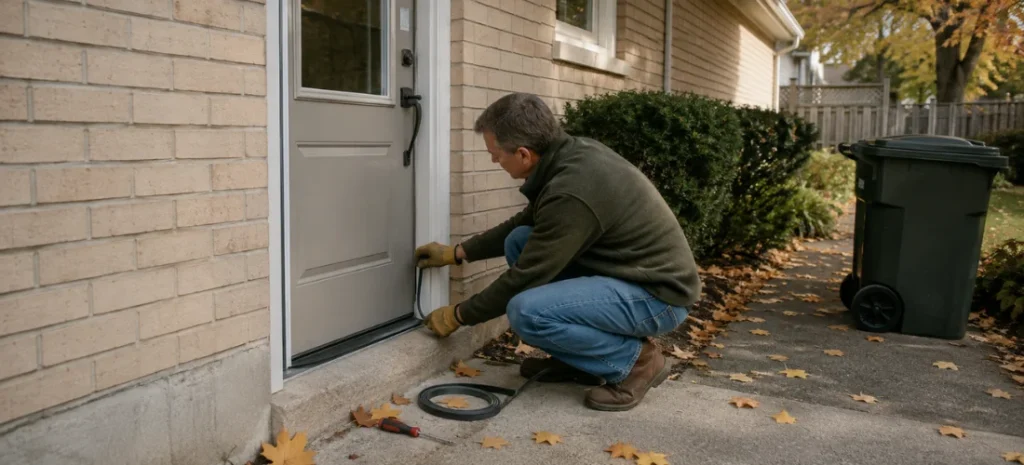
Useful DIY pest prevention tips include installing door sweeps, replacing torn window screens, adding weatherstripping, and sealing small exterior cracks with a suitable pest-resistant material.
Do not automatically fill every opening with ordinary expanding foam. Rodents can chew through some products, and sealing an animal inside a wall can worsen the problem. Larger gaps may require metal mesh, sheet metal, mortar, or professional exclusion materials. Vents and soffits need solutions that preserve airflow.
Trim branches away from the roof and keep climbing plants from covering walls. These can act as bridges for ants, mice, squirrels, and other pests. Repair loose siding and damaged fascia, and make sure garage doors close tightly at the corners.
Inspect again after winter, severe weather, renovations, or utility work.
Quick Exterior Inspection Checklist
| Area to inspect | Warning sign | Recommended action |
|---|---|---|
| Exterior doors | Light visible under the door | Install or replace the door sweep |
| Windows | Torn mesh or loose frame | Repair the screen and seal the frame |
| Foundation | Cracks, gaps, or burrows | Seal suitable cracks and assess burrows |
| Utility openings | Space around pipes or cables | Close gaps with durable exclusion material |
| Roofline and soffits | Damage, nests, or staining | Arrange safe repair and nest assessment |
| Garage | Gaps at corners or worn seals | Adjust the door and replace seals |
2. Remove Food, Water, and Hiding Places
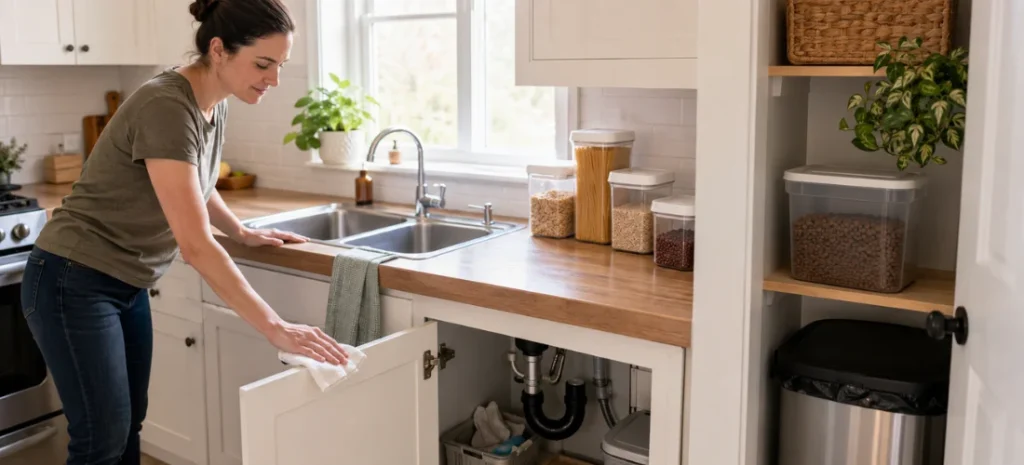
Sealing helps, but pests will remain interested if food and moisture are available. A few crumbs, pet food left overnight, or a slow leak may sustain insects or rodents.
One of the most effective pest control tips for homeowners is to treat the kitchen, basement, garage, laundry room, and waste-storage area as one connected system.
Store dry goods and pet food in sturdy containers with tight lids. Wipe counters, sweep floors, clean beneath appliances, and use garbage bins with secure covers. Do not leave dirty dishes or pet bowls out overnight when activity is suspected.
Repair dripping taps, damaged seals, and slow leaks. Ventilate bathrooms and kitchens, address basement humidity, and empty standing water from plant trays and outdoor containers.
Decluttering reduces protected nesting and hiding areas. Cardboard boxes are especially attractive to cockroaches, silverfish, and rodents because they provide shelter and nesting material. Move stored items into sealed plastic containers and keep them raised off basement or garage floors when possible.
Anyone asking how to prevent pests at home should begin with a simple nightly routine: secure food, remove waste, dry wet surfaces, check pet-feeding areas, and leave sinks and counters clean.
3. Monitor Early and Respond to Evidence, Not Guesswork
Pest infestation control is much easier when activity is detected early. A monthly inspection takes little time and can reveal a problem before pests reproduce or spread to other rooms.
Look behind appliances, beneath sinks, inside lower cabinets, around floor drains, near the furnace, and along basement walls. Watch for droppings, gnaw marks, shed insect skins, grease marks, webbing, damaged food packages, unusual odors, scratching sounds, and live or dead insects.
Place monitoring traps where children and pets cannot reach them. Sticky monitors can identify crawling insects, while rodent devices can reveal travel routes. These tools support inspection but do not replace it.
When using natural pest control methods, remember that “natural” does not automatically mean harmless, effective, or appropriate for every infestation.
Reducing moisture, vacuuming, heat-drying suitable fabrics, sealing gaps, and removing food sources are low-toxicity measures with real preventive value. However, homemade mixtures, essential oils, ultrasonic devices, and unverified online remedies often fail to eliminate established colonies or hidden nests. Some substances can also irritate people, harm pets, stain surfaces, or drive pests deeper into the structure.
Correct identification matters. Treating carpenter ants like pavement ants or confusing carpet beetles with bed bugs wastes time. Take a clear photograph or safely retain a specimen in a sealed container. Record where and when activity appeared to help locate the source.
For rodent control Ontario homeowners should prioritize safe exclusion, correct trap placement, sanitation, and compliance with pesticide and wildlife rules rather than scattering bait without a plan.
Avoid placing poison casually inside a home. A rodent may die inside a wall, creating odour and insect activity, while incorrectly used baits present safety risks. Arrange an inspection when droppings are widespread or activity continues despite trapping.
4. Adjust Your Plan With the Seasons
GTA pest pressure changes throughout the year. Prevention works best when it anticipates those changes instead of reacting after pests move indoors.
Practical seasonal pest control tips should account for spring nesting, summer insect activity, autumn entry attempts, and winter harbourage.
Spring
Melting snow and spring rain increase moisture around foundations. Inspect for cracks, drainage problems, and water-damaged materials. Ants may become active, and birds or wasps may begin nesting around rooflines. Remove early wasp nests only when they are small, accessible, and safe to approach. Otherwise, keep your distance.
Summer
Warm temperatures support flies, ants, mosquitoes, wasps, and other insects. Repair screens, keep doors closed, manage outdoor waste, and remove standing water. Check decks, sheds, patios, and play areas for nest activity before gatherings.
Autumn
As temperatures fall, mice and other pests search for warmth. This is the best time for a detailed exterior inspection. Seal gaps, check garage-door edges, reduce clutter, and move stored materials away from walls. Inspect deliveries and boxes before bringing them into storage areas.
Winter
Indoor warmth can support cockroaches, stored-product pests, bed bugs, and rodents even when outdoor insect activity falls. Listen for movement in ceilings or walls, monitor utility rooms, and check food storage. Winter sightings should not be dismissed as isolated incidents because indoor pests may remain active and reproduce.
This approach lets homeowners focus on the risks most likely to develop during the next few months.
5. Know When Professional Treatment Is the Smarter Choice
Home maintenance and monitoring can prevent many pest problems, but some situations require specialist equipment, regulated products, advanced identification, or access to dangerous areas. Waiting too long can allow the infestation to spread and make treatment more expensive.
Consider professional help when:
- Droppings or pest sightings continue after cleaning and exclusion.
- Cockroaches, bed bugs, or rodents appear in multiple rooms.
- You hear repeated scratching in walls, ceilings, or the attic.
- A wasp or hornet nest is large, hidden, elevated, or near an entrance.
- Someone in the property has allergies, asthma, a compromised immune system, or a severe reaction risk.
- Pests have damaged wiring, insulation, wood, food, or stored belongings.
- The source cannot be identified safely.
- The property is attached to neighbouring units or contains several apartments.
Reliable GTA pest control services should begin with inspection and identification, explain the proposed treatment, outline preparation requirements, and provide realistic expectations about follow-up. Ask for written recommendations so repairs and monitoring continue after treatment.
Choosing professional pest control Woodbridge residents can rely on is especially important when local construction, ravines, commercial activity, attached buildings, or nearby waste areas contribute to recurring pest pressure.
The best professional plan combines targeted treatment with practical corrections. Invaders Canada is a professional pest extermination company that proves effective for both residential and commercial property owners in the GTA. Whether you need a simple inspection or a detailed extermination service, we can help. Reach out today for further details.
Conclusion
To conclude, the most effective pest control tips GTA residents can trust are practical, preventive, and consistent: close entry points, control food and moisture, monitor warning signs, prepare for seasonal changes, and seek qualified help when the problem exceeds safe DIY control. Small maintenance steps can prevent significant damage, but recurring or widespread activity deserves prompt attention. Acting early protects the home, reduces unnecessary pesticide use, and gives every treatment a better chance of long-term success.
FAQs
How Often Should I Inspect My Home for Pests?
Complete a quick indoor check each month and a more detailed exterior inspection at least every season. Inspect sooner after storms, renovations, leaks, deliveries of stored goods, or any pest sighting.
Does Seeing One Cockroach Mean There Is an Infestation?
Not always, but one sighting should be taken seriously. Cockroaches are usually active at night and hide in narrow spaces, so a visible insect may indicate additional activity. Check nearby kitchens, bathrooms, appliances, cabinets, and plumbing areas.
Are Store-Bought Pest Products Safe Around Children and Pets?
Safety depends on the product, placement, and correct use. Always follow the label, keep products and devices inaccessible, and never use more than directed. Ask a qualified professional when occupants have health sensitivities or the treatment area is difficult to secure.
What Should I Do if I Find Mouse Droppings?
Keep people and pets away from the area, ventilate when appropriate, and avoid sweeping or vacuuming dry droppings. Follow current public-health guidance for wet disinfection and safe disposal, then inspect for entry points and further activity. Seek professional help for widespread contamination.
When Should I Call a Pest-Control Company?
Call when sightings continue, evidence appears in several areas, the pest cannot be identified, a nest is dangerous to access, or household treatments have failed. Bed bugs, cockroaches, rodents, and hidden stinging-insect nests generally benefit from early professional assessment.