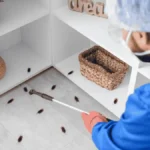
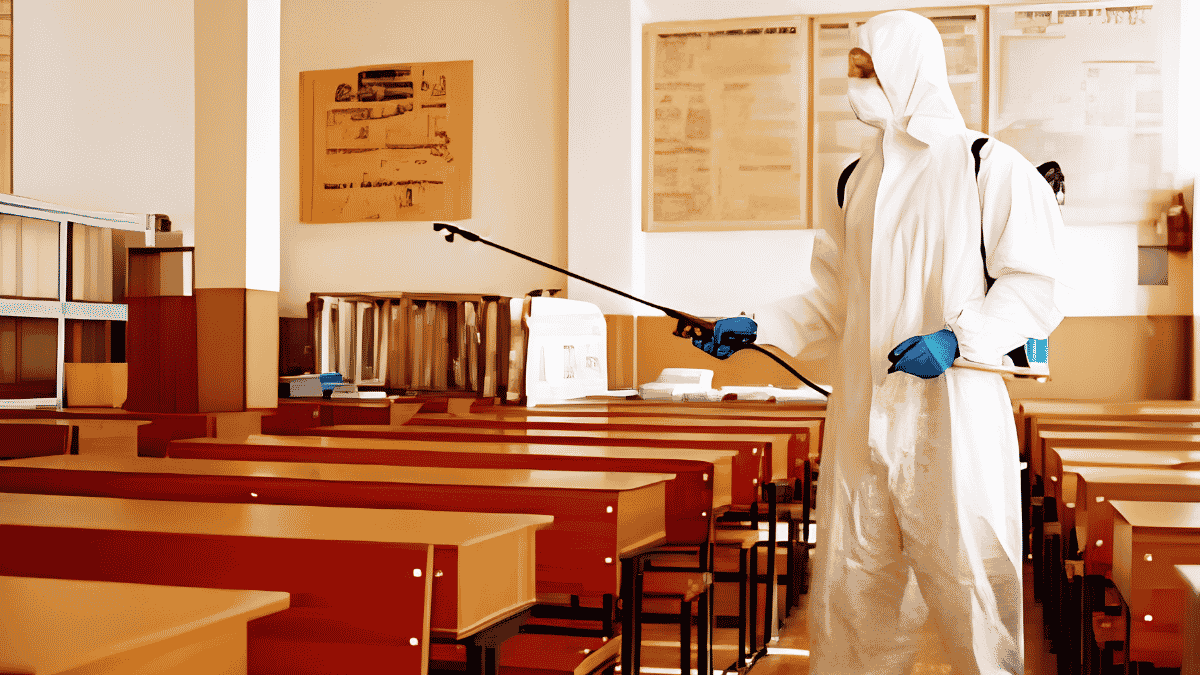
Canadian schools welcome millions of students every year… but they also attract unwanted guests. From cockroaches in cafeterias to rodents in storage rooms, pests in educational facilities pose serious risks to children’s safety, learning outcomes, and building integrity. Effective school pest control isn’t just about reacting to infestations; it’s about building a proactive system that keeps every classroom, hallway, and playground pest-free
This post breaks down why pest prevention in schools matters, which pests are most common in Canadian educational settings, and how Integrated Pest Management (IPM) delivers safe pest control solutions that protect students, staff, and the environment.
Why School Pest Control Matters for Canadian Students
With large foodservice operations, constant foot traffic, and an abundant supply of food, water, and shelter, schools provide an ideal environment for pests. The consequences go far beyond nuisance.
Health and Safety Risks
Pests can carry disease-causing organisms like bacteria, viruses, and parasites. Flies alone are capable of carrying billions of germs. Flies and other bacteria-carrying pests, such as cockroaches and rodents, are a particular concern in school cafeterias and lunchrooms, where they are capable of spreading life-threatening food-borne illnesses such as Salmonella and E. coli.
Among students, the most common triggers of asthma episodes are pet dander and cockroach dropping allergens. Rodents spread diseases including Hantavirus, Leptospirosis, and Salmonellosis.
Regulatory Compliance
Schools must adhere to strict health and safety regulations. Regular pest control ensures compliance and avoids potential fines and closures. Schools are regularly inspected, and a pest problem could lead to severe penalties, impacting the school’s operation and reputation.
Protecting Property and Learning
Rodents and termites can cause significant structural damage, leading to costly repairs, from rodents chewing through electrical wires to insects burrowing into wooden structures. A clean, pest-free school is essential for a conducive learning environment, ensuring minimal disruptions and a focus on education and development.
Common Pests Found in Canadian Schools
Schools present unique challenges for pest management, including occupancy density and the diversity of spaces, particularly in classrooms, cafeterias, and playgrounds.

Here are the most common culprits:
| Pest | Where They’re Found | Key Risks |
|---|---|---|
| Cockroaches | Kitchens, storerooms, washrooms | Trigger allergies, aggravate respiratory issues, carry harmful bacteria |
| Rodents (Mice & Rats) | Cafeterias, basements, storage areas | Structural damage by gnawing on wires and insulation, creating fire hazards |
| Ants | Classrooms, cafeterias | Attracted to sugary and greasy substances; infestations can grow very quickly |
| Flies | Food preparation areas, trash zones | Spread bacteria and create sanitation concerns in high-traffic areas |
| Wasps & Bees | Playgrounds, outdoor areas | A threat in outdoor areas, especially for allergic children |
| Bed Bugs | Classrooms, lecture halls | Attracted to carbon dioxide and warmth, making classrooms a place to hitch a ride |
| Mosquitoes | Athletic fields, playgrounds | Breed in standing water, making outdoor activities uncomfortable |
Why Children Are More Vulnerable to Pest-Related Risks
When considering safe pest control for schools, it’s critical to understand that children aren’t just small adults. All pesticides may pose risk to human health; however, children may be at higher risk than adults because they are smaller and their bodies and brains are growing. Children also act differently than adults; they often have more contact with the environment when they play on the ground or put their hands or objects in their mouths.
In Canada, infants and children have been a special consideration in pesticide risk assessments for many years. Health Canada’s PMRA has established policies that require additional protection for children and pregnant women.
Integrated Pest Management (IPM): The Gold Standard for Schools
The most effective approach to pest prevention in schools is Integrated Pest Management. IPM is a sustainable approach that combines multiple strategies to manage pests with minimal environmental impact and is especially suitable for schools because it prioritizes safety and long-term prevention.
In Canada, IPM practices are encouraged by Health Canada’s Pest Management Regulatory Agency and are increasingly required in sensitive environments like schools, healthcare facilities, and food service operations.
The Four Pillars of School IPM
1. Inspection & Identification
This involves correctly identifying the pest species to choose the most effective control methods, and regularly checking pest activity to determine if and when treatment is necessary.
2. Prevention & Exclusion
IPM focuses on preventing pest problems before they occur, using non-chemical methods such as stringent sanitation and facility maintenance, which in turn helps schools reduce pesticide risks and exposure to students.
3. Targeted Intervention
Placing bait stations for rodents and using gel baits for cockroaches can help control populations without exposing students to harmful chemicals.
4. Monitoring & Documentation
Schools should record the types of pests detected before and after any habitat modification or pesticide treatment, and document all measures taken to control pests.
Practical School Pest Prevention Checklist
Facility managers, custodians, and educators can all play a role. Here’s a comprehensive pest prevention in schools action plan:
Sanitation & Hygiene
- Keep food areas, clean ensure cafeterias and snack zones are cleaned after every meal and store food in airtight containers.
- Clean high-volume areas such as cafeterias and gymnasiums daily where crumbs and trash are more likely to build up.
- Restrict where food is eaten and move dumpsters and food disposal containers away from the school building.
Building Maintenance & Exclusion
- Seal all cracks, gaps, and openings in walls, doors, and windows to prevent pests from entering, and check for any structural weaknesses that pests could exploit.
- Repair decaying exterior wood on buildings and replace weather-stripping and loose mortar around basement foundations and windows.
- Trim back any trees or shrubs in contact with the building, as pests can use them to gain access.
Moisture Control
- Fix leaks promptly. Moisture attracts pests like silverfish and cockroaches.
- Keep basements and crawl spaces well ventilated and dry.
Education & Community Engagement
- Involve and educate stakeholders including administration, staff, parents, and students. Distribute the school’s pest-control management policy periodically and educate students and teachers on how their behaviour contributes to pest problems.
- Parents should clean out their child’s schoolbag each day to help prevent pests from being transported from school to home and vice versa.
Canadian Regulations: What Schools Need to Know
Canada takes a rigorous approach to pesticide safety. All pesticides used, sold, or imported into Canada are stringently regulated by Health Canada’s Pest Management Regulatory Agency (PMRA) under the Pest Control Products Act (PCPA).
The use of pesticides is also subject to regulation under provincial and territorial legislation, and by municipalities. This means school pest control protocols can vary across provinces:
| Province/Territory | Key Regulation Highlights |
|---|---|
| British Columbia | All pest control within school districts must be conducted through an IPM approach. Cosmetic pesticide bans apply. |
| Ontario | Cosmetic Pesticides Ban Act restricts use on school grounds. IPM is the recommended standard. |
| Quebec | Pesticides Management Code limits which products can be applied on school properties. |
| Alberta | Provincial certification required for all commercial pesticide applicators serving schools. |
| All Provinces | Provinces and territories are responsible for the training and certification of pesticide vendors and applicators. |
The use of pesticides and insecticides in schools is strictly regulated. High-toxicity products are generally prohibited, favouring low-impact solutions and alternative pest management methods such as bio-insecticides or mechanical traps.
When to Call a Professional Pest Control Service
Even with strong prevention protocols, infestations can occur. Schools should engage a professional pest control service for thorough inspection and treatment. These professionals can provide targeted solutions based on the specific pest and infestation level, and ensure the solution is up to health code and regulations so schools remain compliant.
When selecting a school pest control partner, consider:
✅ Experience in educational environments: Look for a company with extensive experience in school pest control.
✅ IPM-certified approach: Specialized training in educational environments emphasizing prevention, non-chemical controls, and clear communication with administrators and parents.
✅ Insurance and guarantees: Find out if the pest professional has liability insurance to cover any damage to the school or its furnishings during treatment, and understand what any guarantee covers.
✅ Compliance documentation: Ensure the provider delivers audit-ready records of all treatments and inspections.
How Invaders Canada Supports School Pest Control
At Invaders Canada, we understand that school pest control requires a careful balance between effectiveness and children’s safety.
Our team delivers:
- IPM-first strategies tailored to Canadian schools, daycares, and universities
- Low-toxicity, child-safe treatments that comply with Health Canada’s PMRA regulations
- Comprehensive inspections covering classrooms, cafeterias, gymnasiums, storage areas, and outdoor spaces
- Ongoing monitoring and documentation for regulatory compliance
- Staff education programs to build a pest-aware school community
Whether you manage a small elementary school or a large campus, we provide customized, regulation-compliant pest control that keeps students, staff, and parents confident in a safe learning environment.
Final Thoughts
Prevention Is the Best Protection.
The presence of pests in schools can seriously affect the health of both students and teachers, which makes professional pest control essential to providing a safe learning environment. But the best school pest control program starts long before an infestation appears. It starts with prevention, education, and vigilance.
By implementing rigorous sanitation practices, maintaining building integrity, adopting IPM principles, and partnering with a trusted pest control provider like us, Canadian schools can protect what matters most: the health and safety of our children.
Need school pest control in Canada? Contact Invaders Canada today for a free school inspection and customized IPM plan.
FAQs
How long after pest control is it safe for kids?
Generally, 2–4 hours after treatment. However, always follow your pest control technician’s specific re-entry instructions, as timelines vary by product and method used.
What is the hardest pest to get rid of?
Bed bugs. They resist many common treatments, reproduce rapidly, and hide in tiny crevices, making complete elimination difficult without professional intervention.
What are the 3 C’s of pest control?
Clean, Close, Cover. Keep spaces clean to remove food sources, close off entry points with proper sealing, and cover food and waste containers tightly.
Is pest control safe around kids?
Yes, when conducted by licensed professionals using child-safe, Health Canada–approved methods like Integrated Pest Management, school pest control is safe around children.
What are the side effects of pest control on children?
Improper pesticide exposure may cause skin irritation, headaches, nausea, or respiratory issues in children. That’s why schools should always use low-toxicity, IPM-based treatments.