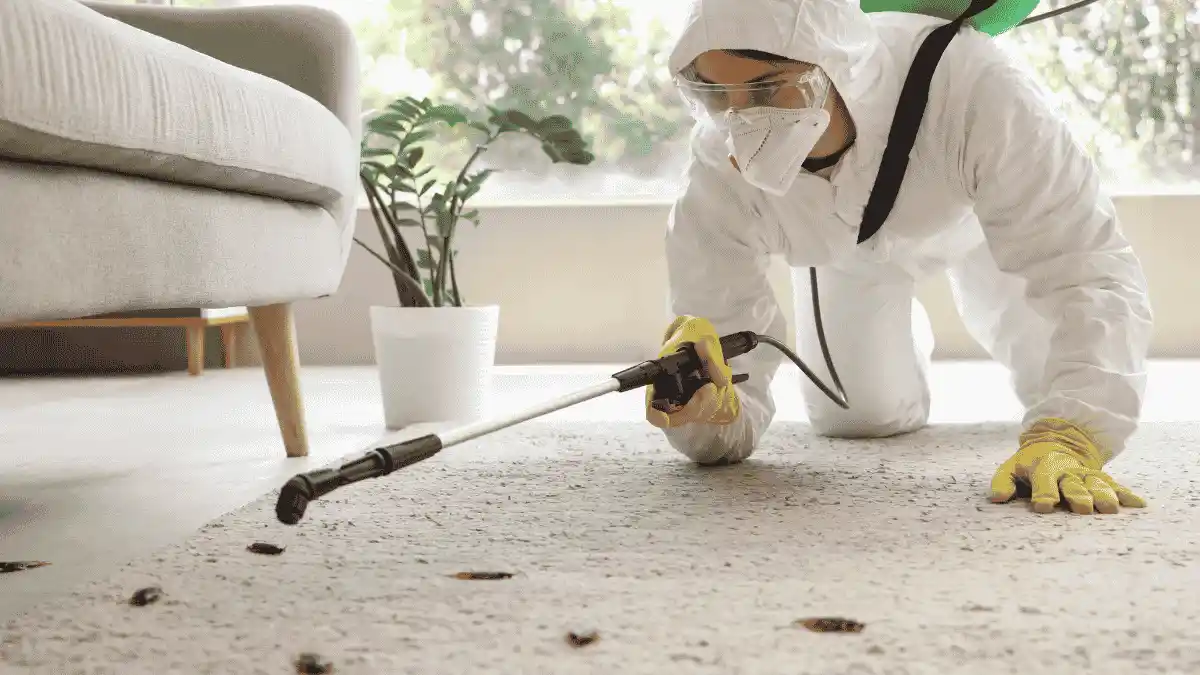
Every Canadian summer brings long-awaited sunshine, and an unwelcome surge in pest activity. As temperatures climb above 20°C, insects emerge from overwintering, enter their breeding season, and begin scouting homes and businesses for food, water, and shelter. Summer pest control isn’t just about comfort; it’s about protecting your property, your health, and your bottom line.
This post combines the most up-to-date information on summer pests active across Canada, with practical seasonal pest prevention strategies tailored for both residential and commercial properties.
Why Summer Is Peak Season for Pest Activity
Heat is the single biggest driver of insect behaviour. Most pest species are cold-blooded, meaning their metabolism, reproduction, and mobility are directly tied to ambient temperature. When Canadian winters are mild, as seen increasingly due to climate shifts, fewer pests die off, resulting in a larger overwintering population that explodes come summer.
Summer is also the primary breeding season for most insects. Mosquitoes can complete their life cycle in as little as 7–10 days in standing water during warm weather. Ant colonies grow aggressively, with queen ants producing thousands of eggs throughout June and July. Wasp colonies, which start small in spring, can swell to contain tens of thousands of workers by August. Combine rapid reproduction with an abundance of food sources and you have the recipe for infestations that escalate quickly if left unchecked.
About Canadian Climate:
Milder winters driven by El Niño and climate change have allowed more pest eggs and adults to survive overwintering, creating larger baseline populations each spring.
Pest professionals across Canada are reporting earlier and heavier infestations season over season.
Canada’s Most Common Summer Pests
Here are some of the most common summer pests found in Canada:
🐜 Ants (Carpenter, Pavement & Fire Ants)
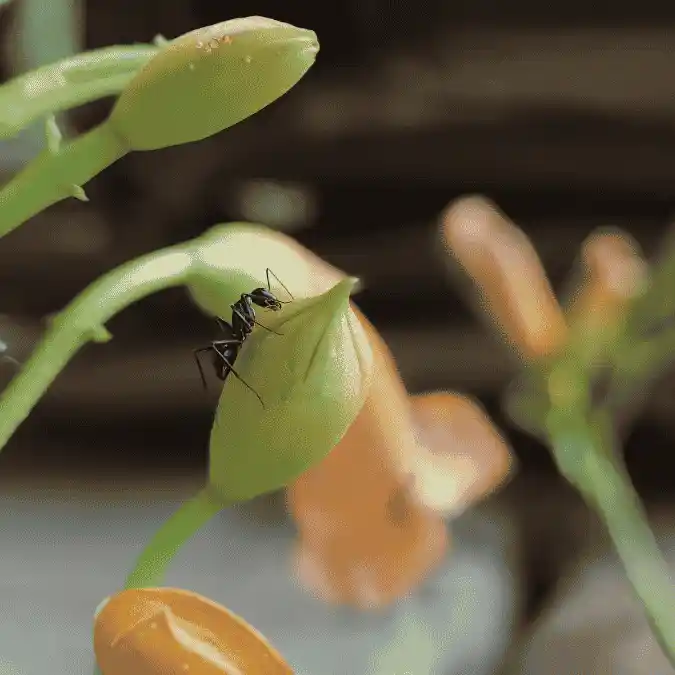
Roughly 100 species of ants are found in Canada. In summer, foraging ants are drawn inside by food spills, grease, sugar, and moisture, entering through the smallest cracks in foundations and window frames. Home ant infestations typically peak at the end of July. Carpenter ants are of particular structural concern, as they excavate wood to build galleries, potentially weakening load-bearing elements over time.
🦟 Mosquitoes
The most recognized summer nuisance pest in Canada, mosquitoes breed in standing water and become highly active during overcast days and shaded environments. Beyond the itchy bite, they can carry West Nile virus, a concern particularly in southern Ontario, Manitoba, and British Columbia. Eliminating breeding sites (standing water in containers, gutters, and low-lying areas) is the single most effective mosquito prevention strategy.
👉 See our full piece on how to control mosquitoes in your yard this season.
🐝 Wasps & Hornets
Canada is home to more than 500 species of wasps. Colonies peak in late summer and early fall, when worker wasps become more aggressive while foraging for food. Yellow jackets, paper wasps, mud daubers, and bald-faced hornets are the most common nuisance species in Ontario and British Columbia. Stings are dangerous for those with allergies and can be fatal in rare cases, therefore, never attempt nest removal without proper protection or professional help.
🕷 Earwigs
Earwigs thrive in the moist, humid conditions of a Canadian summer. They are abundant from mid-June through October and enter homes during prolonged dry or hot spells when they seek new shelter. They favour damp areas, under mulch, rotting wood, and garden debris, and can damage crops and garden plants.
🛏 Bed Bugs
Summer travel season dramatically increases bed bug exposure. These hitchhiking pests latch onto luggage and clothing at hotels, transit, and crowded events. Toronto ranks consistently as one of Canada’s most heavily infested cities for bed bugs. Regular inspection of luggage and mattress encasements are key preventive tools.
🕷 Ticks
Tick populations have been spreading northward across Canada, including into previously unaffected prairie and northern provinces. Blacklegged (deer) ticks can transmit Lyme disease, making them a genuine public health concern. Wearing repellent with at least 30% DEET and doing full-body checks after outdoor activity are essential precautions.
Canada’s Top Summer Pest Threat Chart
Use this chart to quickly identify the key characteristics, peak activity periods, and risk levels of the most common summer pests active across Canadian properties.
| Pest | Peak Activity | Key Entry Points | Primary Risk | Threat Level |
|---|---|---|---|---|
| Carpenter Ants | June – August | Foundation cracks, wood contact with soil | Structural wood damage | High |
| Mosquitoes | June – September | Open windows, doors, outdoor areas | West Nile virus, bites | High |
| Wasps & Hornets | July – October | Eaves, wall voids, decks | Painful/allergic stings | High |
| Bed Bugs | Year-round (spikes in summer) | Luggage, used furniture, travel | Bites, rapid spread | High |
| Ticks | May – October | Tall grass, wooded areas | Lyme disease transmission | High |
| Earwigs | Mid-June – October | Gaps under doors, mulch contact | Garden/crop damage, nuisance | Medium |
| Pavement Ants | April – August | Cracks in concrete, foundations | Food contamination | Medium |
| Spiders | July – September | Vents, windows, cluttered areas | Bites (rare); nuisance | Low-Medium |
Summer Pest Control Tips for Homeowners
The most effective summer pest control strategy is a layered approach: seal entry points, eliminate attractants, and reduce conditions that allow pests to thrive.
Here are the most impactful actions you can take at home.
🚪 Seal Every Entry Point
Inspect and caulk cracks around windows, doors, foundations, and utility penetrations. Install or repair door sweeps and window screens to prevent insects from finding a way inside.
💧 Eliminate Standing Water
Empty birdbaths, buckets, clogged gutters, and garden containers weekly. Mosquitoes can breed in as little as a bottle cap of standing water, so removing breeding sites is non-negotiable.
🗑 Secure Food & Garbage
Store food in airtight containers. Keep garbage cans tightly lidded and away from entry points. Clean up crumbs and spills immediately, because even small residues can attract ants and flies.
🌿 Maintain Your Yard
Keep grass trimmed short, remove wood debris and leaf piles, and keep firewood stored away from your home’s exterior. Trim back bushes and vegetation that touch the structure. These act as insect highways.
💡 Adjust Outdoor Lighting
Insects are attracted to bright white lights. Where possible, use yellow or warm-toned bulbs near entries, or position lights away from doors and windows to reduce swarming around entryways.
🧹 Reduce Interior Moisture
Fix leaking pipes and faucets promptly. Use a dehumidifier in basements and crawl spaces. Earwigs, centipedes, and silverfish all thrive in damp interior environments.
Protecting Your Bedroom from Bed Bugs
After any summer travel, inspect luggage before bringing it indoors. Wash and dry all travel clothing on high heat. Use mattress encasements on all beds, and vacuum bedrooms regularly. Check mattress seams, bed frames, and baseboards for small rust-coloured spots, which is a key sign of bed bug activity.
Seasonal Pest Prevention for Businesses
For businesses, especially those in food service, hospitality, healthcare, and retail, a summer pest infestation can mean regulatory violations, reputational damage, and real financial loss. The Canadian Food Inspection Agency (CFIA) requires food businesses to maintain proactive, documented pest management programs.
Key commercial summer pest control measures include:
- Exterior perimeter management: Keep areas adjacent to the building free of vegetation, debris, and stored materials that provide harborage. Dock areas should be kept clean of product spillage. Overhead doors must fit tightly with fully sealed gaskets to prevent pest entry.
- Waste management: Compactors and dumpsters should be placed on paved surfaces, kept covered at all times, and emptied regularly. The surrounding area must be well-drained to prevent standing water, as it’s a critical mosquito breeding site.
- Lighting placement: The CFIA recommends positioning exterior lights away from building structures to prevent insects from swarming near entry points.
- Scheduled professional inspections: For food facilities, hospitality venues, and healthcare settings, a quarterly or monthly pest control contract ensures compliance and catches early-stage infestations before they escalate.
Did You Know? Subterranean termites, growing in range due to warmer Canadian summers, cause millions of dollars in structural damage across North America every year. Buildings with persistent moisture issues near their foundations are particularly vulnerable. Summer is the prime season for early detection.
DIY vs. Professional Summer Pest Control
Not every pest encounter requires a licensed exterminator, but it’s important to know the limits of DIY solutions. Over-the-counter pest products generally lack the residual strength of professional-grade treatments, meaning they may knock back visible pests without eliminating the underlying colony or infestation source.
DIY is generally adequate for: occasional ants in the kitchen, a single visible wasp nest you can safely reach, and basic mosquito prevention around your yard.
Professional treatment is recommended for: structural damage from carpenter ants or termites, wasp nests in wall voids or at height, confirmed bed bug infestations, recurring mosquito problems, and any situation involving children, pets, or allergy concerns. Expect professional treatment costs in the range of $150–$300+ per visit, depending on the pest species and property size. That’s a worthwhile investment when weighed against the cost of structural repairs or health consequences.
When to Call a Professional Pest Control Service
Timing is everything with summer pest control. The longer an infestation is allowed to develop, the more difficult and costly it becomes to resolve. Reach out to a licensed pest control professional if you notice:
- Visible structural damage: sawdust trails or hollow-sounding wood near carpenter ant or termite activity.
- Active wasp nests on your structure with swarming visible.
- Signs of bed bugs: bloodstains, dark excrement spots, or shed skins on bedding.
- Multiple ant trails entering from more than one location.
- Any tick bite with a bullseye-shaped rash, which warrants immediate medical attention.
Integrated Pest Management (IPM), the industry standard approach combining chemical, mechanical, and biological control methods, minimizes environmental impact while delivering lasting results. Health Canada’s Pest Management Regulatory Agency (PMRA) regulates the products used by licensed pest control professionals in Canada, ensuring treatments are safe and effective when applied correctly.
👉 If you’re based in the Greater Toronto Area, learn more about our pest control in Richmond Hill services.
Protect Your Home or Business This Summer
Don’t wait for a small pest problem to become a costly infestation. Invaders Canada’s licensed pest control professionals serve homes and businesses across Canada with proven, safe summer pest treatments.
FAQs
Which smell do termites hate?
Termites strongly repel clove oil, cedarwood, and tea tree oil. Vetiver grass and orange oil (d-limonene) also disrupt termite activity and are commonly used in natural treatment applications across Canada.
What keeps summer bugs away?
Eliminate standing water, seal all entry points, and keep vegetation trimmed away from your structure. Citronella, lavender, and peppermint naturally deter common summer pests, but for serious seasonal infestations, professional summer pest control delivers longer-lasting protection.
What is the hardest pest to get rid of?
Bed bugs. They resist most over-the-counter treatments, hide in microscopic cracks, and can survive months without feeding. In Canadian cities like Toronto, professional heat treatments reaching above 50°C remain the most reliable eradication method.
What month is best for pest control?
April through May, just before peak breeding season begins. Treating early disrupts colony establishment before summer heat accelerates reproduction. For active summer infestations already underway, immediate professional treatment is always better than waiting.
What smell do all bugs hate the most?
Peppermint oil is the closest thing to a universal insect repellent, as ants, spiders, mosquitoes, and earwigs all avoid it. Eucalyptus and clove oil are strong runners-up. These work best as preventive deterrents, not as solutions to an existing infestation.