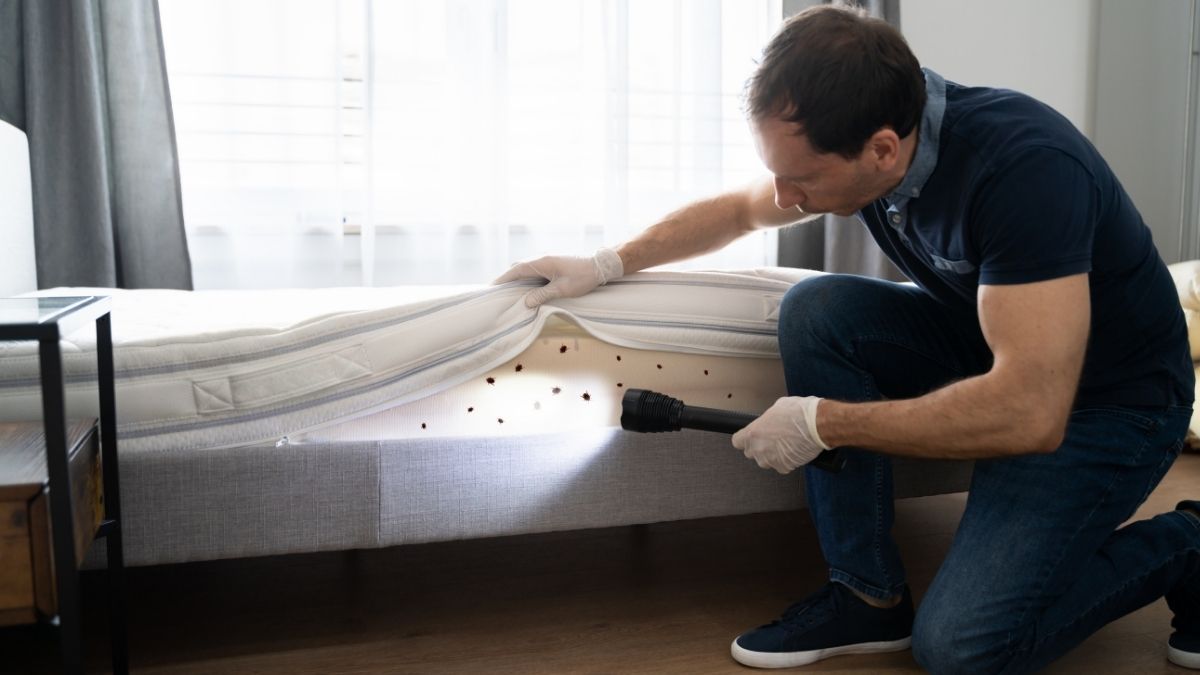
Bed bugs almost never start in your home on their own. In nearly every case, they hitchhike in on something you or someone else carried inside: a suitcase after a trip, a secondhand couch, a guest’s overnight bag, or laundry brought back from a shared machine. Understanding these routes is the fastest way to catch a problem early, whether you live in a Toronto high-rise, a Mississauga townhouse, or anywhere else in the GTA where dense, shared housing makes bed bugs easier to pick up and harder to contain.
The Greater Toronto Area is particularly prone to this. A dense mix of high-rise condos, apartment buildings, hotels, student housing, and a busy international airport means more people, more luggage, and more shared walls moving through the region every day than in most smaller communities. None of that means an infestation is inevitable, but it does mean the everyday habits below are worth building into how you travel, shop for furniture, and handle laundry, rather than something to think about only after bites show up.
Below is a breakdown of the ways bed bugs most commonly get into homes across the region, followed by a practical after-travel checklist and the early signs worth watching for.
Hotels and Short-Term Stays Are a Common Starting Point
Hotels, motels, and short-term rentals see a steady turnover of guests and luggage, which makes them one of the more likely places to pick up bed bugs without realizing it. A room can look spotless and still have bed bugs tucked into mattress seams, headboards, or the frame of a pull-out sofa. Cleanliness has little to do with it. Bed bugs are after warmth and a nearby host, not dirt.
Health Canada recommends inspecting a hotel room before unpacking, keeping luggage off the bed and soft furniture until you’ve checked it, and using a hard-shell suitcase or a light-colored bag that makes bugs easier to spot.
Luggage and Clothing Are the Classic Delivery Method
Once a bed bug climbs into a bag or a fold of clothing, it can ride quietly for days. This is the mechanism behind most “I have no idea how this happened” cases. It usually isn’t a single dramatic event. It’s a bag set down on a hotel bed, packed clothes left near an infested piece of furniture, or a jacket hung in a closet that already has a problem.
Bed bugs don’t travel on skin or hair the way people sometimes assume, but they’re perfectly happy riding in a seam or pocket.
Public Transportation Adds Another Layer of Exposure
Buses, subways, trains, and rideshares move a lot of people and a lot of bags through the same seats every day. Bed bugs can transfer from an infested seat or nearby bag onto a coat, backpack, or purse, then come home with the next commute. This risk is low on any single ride, but it adds up in a transit-heavy city, and it’s one more reason a quick check of bags and jacket linings after a long day out is a reasonable habit rather than overkill. Movie theatres, libraries, and shared workspaces carry a similar, smaller version of the same risk, since any spot where people set bags down and stay seated for a while can pass a hitchhiking bug along.
Used and Secondhand Furniture Is Very Risky
A couch, mattress, or upholstered chair from a curb, thrift store, or online marketplace is one of the more direct ways bed bugs enter a home, because the bugs may already be established in the seams, frame, or padding before it ever crosses your threshold. Mattresses and box springs carry the highest risk since bed bugs favor exactly that kind of hiding spot.
If a secondhand item can’t be inspected thoroughly in good light, it’s worth treating it with caution or skipping it altogether, particularly for anything upholstered. This applies just as much to items picked up from a curbside “free” pile as it does to a purchase from a resale shop; free furniture left on a curb is sometimes there precisely because a previous owner was trying to get rid of an infestation without saying so.
Visitors and Guests Can Bring Bed Bugs In Without Knowing It
Guests staying overnight, or even a friend dropping off a bag for a few hours, can introduce bed bugs picked up from their own home, a shared building, or a recent trip. This isn’t a reflection on anyone’s housekeeping. It’s simply another instance of the same pattern: bags and fabric moving from one place to another. Storing guest coats and bags away from bedding and upholstered furniture during a visit is a small, low-effort precaution.
Shared Laundry Rooms Create an Easy Path Between Units
Communal laundry rooms, common in apartment and condo buildings in the GTA, mean bags of clothing and bedding from multiple households pass through the same space. A laundry bag set down on a bench or floor that another tenant used can pick up bed bugs the same way a hotel room does. Carrying items in a sealed bag, avoiding setting anything directly on shared surfaces, and washing and drying on high heat as soon as you’re home all reduce that exposure.
Apartments and Condos Let Bed Bugs Travel Between Walls
In multi-unit buildings, bed bugs don’t need a person to move them at all. They can travel along shared walls, through wiring and plumbing penetrations, under baseboards, and through cracks around outlets to reach a neighboring unit. This is why a single untreated apartment can turn into a building-wide problem over a few months, and why treatment in dense housing usually needs to be coordinated with neighboring units rather than handled in isolation.
If you live in a building in Toronto or Mississauga and notice bites or signs in your unit, it’s worth mentioning to your property manager early, since other units may already be affected without anyone reporting it yet. High tenant turnover adds another layer to this: a new tenant’s belongings, or furniture left behind by a previous one, can reintroduce bed bugs to a unit that was previously treated and cleared.
Moving Homes Can Transport an Existing Infestation
A move is essentially a large-scale version of the luggage problem. Boxes, furniture, and bags that sat in an infested home or storage unit can carry bed bugs straight into the new place, often before anyone notices anything is wrong. Inspecting boxes and furniture before they go into the moving truck, and being extra cautious with anything that came out of long-term storage, catches most of this risk before it becomes a new infestation.
Dorms and Student Housing Face Extra Risk
Shared rooms, high turnover between semesters, secondhand furniture donated or left behind by previous residents, and frequent travel back and forth all combine to make dorms and student housing more exposed than the average single-family home. Inspecting a dorm mattress and frame at move-in, and being cautious about picking up furniture left in hallways or common areas, are worth the few extra minutes.
Your After-Travel Checklist to Avoid Bringing Bed Bugs Home
Most bed bug problems that start with travel can be caught before they ever reach your bedroom. The table below covers the main steps worth taking after any trip, whether it was a weekend away or a longer stay.
| Step | What to Do |
|---|---|
| Inspect luggage | Check seams, pockets, and the outside of your bag in good light before bringing it past the entryway. |
| Handle clothing carefully | Wash everything, worn or not, on the hottest safe setting and dry on high heat for at least 30 minutes. |
| Store luggage smart | Keep suitcases in a garage, entryway, or bathroom for a day or two rather than a bedroom or closet. |
| Check the mattress | Look along seams, tags, and the underside of your mattress and box spring for spotting or shed skins. |
Signs to Watch For After Any Exposure
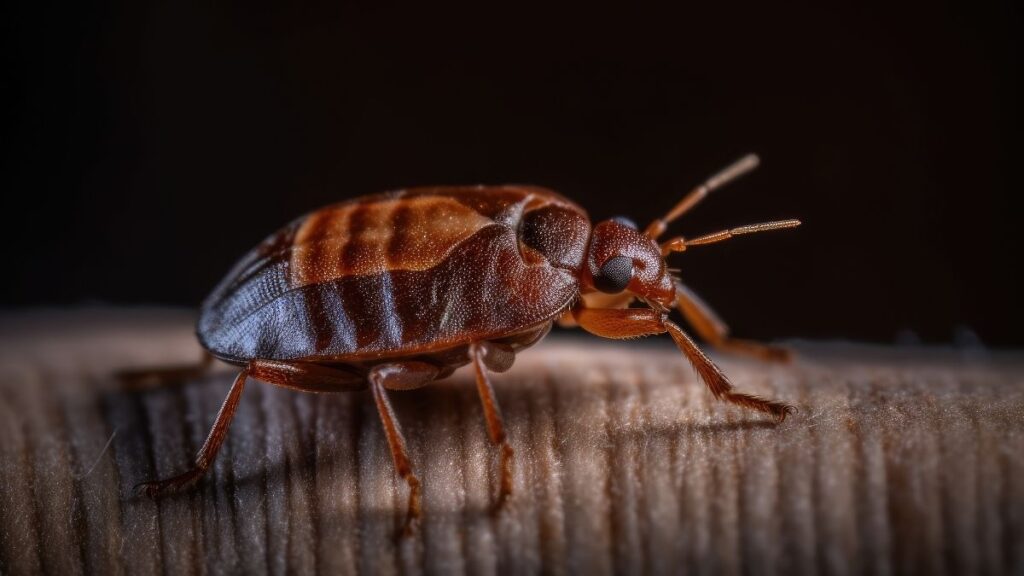
After a trip, a secondhand furniture purchase, or a stay from guests, it’s worth keeping an eye out for a week or two. Common early signs include small reddish-brown bugs about the size of an apple seed, tiny dark spots (fecal marks) on sheets or mattress seams, shed skins near seams and baseboards, and small itchy bites appearing in a line or cluster, usually on skin exposed while sleeping. None of these signs on their own confirms an infestation, and not everyone reacts to bites the same way, but two or more together are worth a closer look.
A quick inspection routine makes it much easier to catch a problem in its earliest, easiest-to-treat stage.
So, How Do Bed Bugs Get Into Your Home?
Bed bugs get into homes through movement, not through mess. Travel, secondhand furniture, visitors, shared laundry, and life in multi-unit buildings all create the same basic opportunity: a way for bugs to hitch a ride from one place to another. A few consistent habits, inspecting before you bring things inside, washing and drying on heat after travel, and checking secondhand items closely, catch most of the risk before it becomes a full infestation.
If you do spot signs of bed bugs, acting early with a proper bed bug control plan tends to be faster and less disruptive than waiting to see if it goes away on its own, since Health Canada notes that bed bugs can be difficult to eliminate without a thorough, systematic approach.
FAQs
What is the most common way bed bugs get into a home?
Travel is generally considered the most frequent starting point, with bed bugs riding in on luggage or clothing after a stay in an infested hotel, rental, or other traveler’s space. Secondhand furniture is a close second, since bugs can already be established inside a couch or mattress before it’s brought indoors.
Can bed bugs come from a clean home or a clean hotel?
Yes. Bed bugs are drawn to warmth, carbon dioxide, and a nearby host, not dirt or clutter, so even a well-kept home or a high-end hotel room can have an infestation. Cleanliness makes an existing problem easier to spot, but it doesn’t prevent one from starting.
How long after exposure would I notice bed bugs in my home?
It varies. Some people notice bites or spotting within a week or two, while others go a month or more without a clear sign, especially if only one or two bugs made it in. This is part of why a brief inspection routine after travel or a secondhand purchase matters more than waiting for obvious symptoms.
Can bed bugs spread between apartments in buildings in Toronto or the GTA?
Yes, and this is one of the more distinct risks in dense housing areas in the GTA. Bed bugs can move through wall voids, along baseboards, and through gaps around plumbing or electrical fixtures to reach neighboring units, which is why buildings often need a coordinated inspection rather than treating a single apartment in isolation.
Does homeowners or tenant insurance cover a bed bug infestation in Ontario?
Most standard homeowners and tenant policies in Ontario treat bed bugs as a maintenance issue rather than a covered peril, so coverage is uncommon, though it’s worth checking your specific policy. In rental buildings, landlords are generally responsible for arranging and often covering treatment, particularly when the infestation involves shared walls or common areas.