Bed bugs can survive in a car, though it happens far less often than a home infestation. If you’ve noticed small bites after driving, tiny rust-coloured spots on your seats, or you’ve recently dealt with bed bugs in your house, it’s worth checking your vehicle before the problem spreads any further.
This guide walks through how to confirm bed bugs are actually in your car, how to clear them out, and how to keep them from coming back.
If you’re anywhere in Toronto or the surrounding GTA, same-day pest control help is available here.
Can Bed Bugs Actually Live in a Car?
Bed bugs don’t need a bed to survive. They need cracks, seams, and fabric to hide in, along with a nearby food source, and a modern car interior gives them plenty of both. Seat seams, floor mat edges, the gaps around the centre console, and the folds of a trunk liner all offer the tight, dark spaces bed bugs prefer.
That said, cars aren’t a bed bug’s first choice. Most infestations start indoors and only spread to a vehicle when someone carries an infested item in, such as a bag, a jacket, or secondhand furniture being transported. On their own, bed bugs can’t jump or fly, so they rely entirely on hitching a ride.
Signs of Bed Bugs in Your Vehicle
A few bed bugs in a car can be easy to miss at first. Watch for:
- Small, itchy red bites on your arms, legs, or neck after time spent in the car, often appearing in a short line or cluster
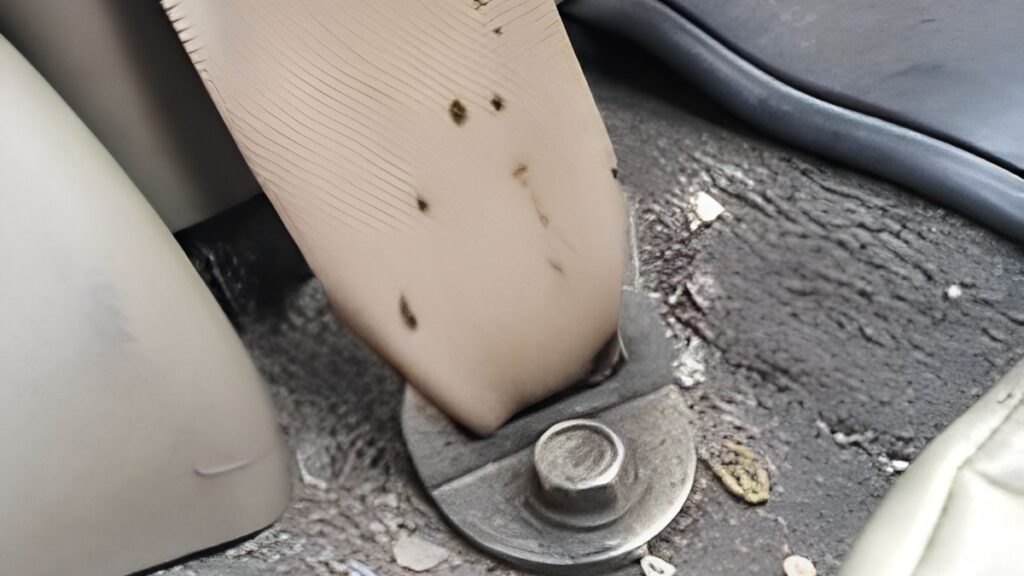
- Tiny rust-coloured or dark spots on seat fabric, floor mats, or seatbelts (these are fecal marks, not always crushed bugs)
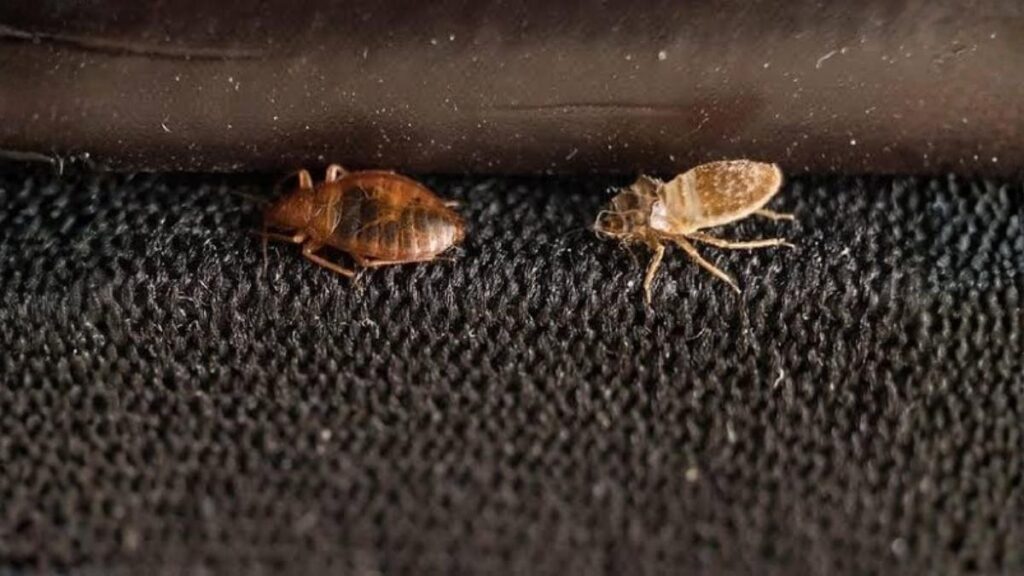
- Small, pale, shed skins caught in seams or along the console
- A faint, musty smell in an infestation that’s been building for a while
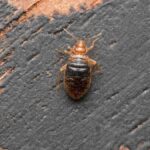
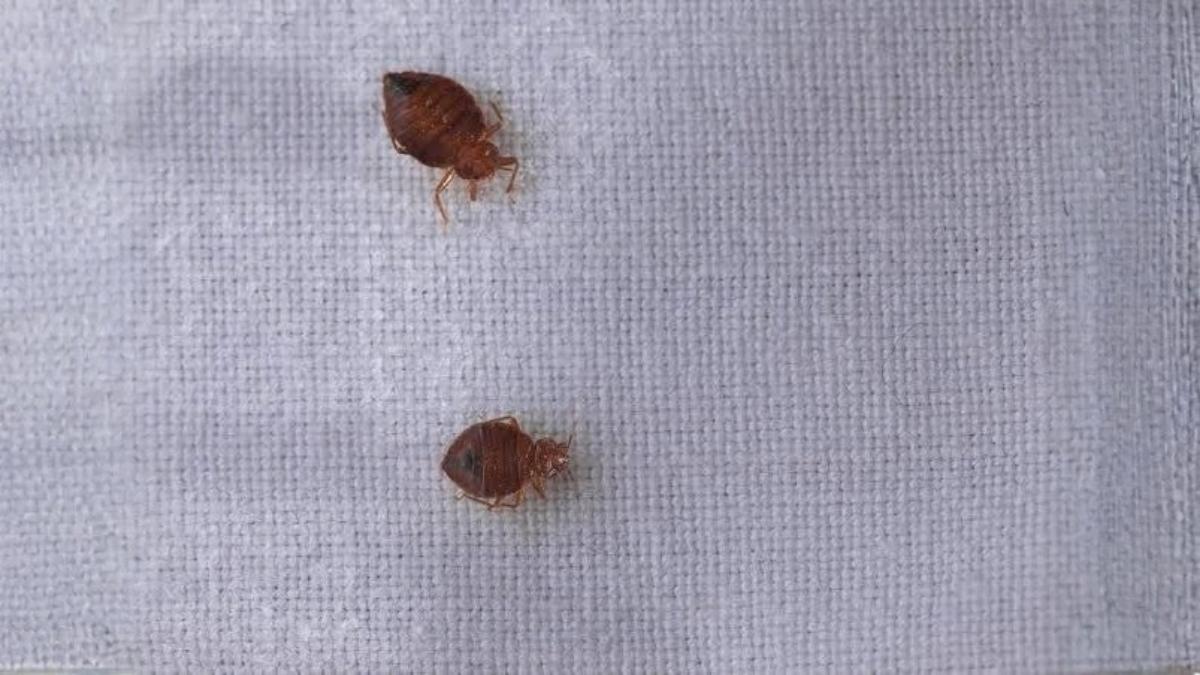
- Live bugs themselves, roughly the size and shape of an apple seed, reddish brown, and flat when unfed
You don’t need to spot a live bug to have a real problem. Fecal spotting and bite patterns alone are often enough to justify a closer inspection.
How Bed Bugs Get Into a Car in the First Place
Understanding how bed bugs travel makes it easier to figure out where yours might have come from, and where to look. Common routes into a vehicle include:
- Carrying luggage or clothing home from a trip and placing it directly on the seats
- Transporting used furniture, mattresses, or upholstered items, even for a short drive
- An existing infestation at home slowly spreading into a car that’s parked in an attached garage or used daily by an infested household
- Rideshare or carpool situations, where a passenger unknowingly brings bed bugs along
How to Check Bed Bugs in Car
A thorough inspection takes about 20 to 30 minutes and doesn’t require any special tools beyond a flashlight and a bit of patience.
- Start with the seats. Run your fingers along every seam, checking both the fabric folds and the piping where two panels meet.
- Pull up floor mats and check both sides, along with the carpet underneath.
- Check the trunk, especially around the wheel well liner and any fabric trim.
- Look inside the glove compartment and any door pockets where papers or loose items collect.
- Inspect seatbelt housings and the gaps around the centre console, both common hiding spots that are easy to overlook.
If you find anything suspicious but aren’t sure what you’re looking at, a photo is often enough for a pest control technician to confirm what you’re dealing with over the phone.
Getting Rid of Bed Bugs in Your Car
Once you’ve confirmed an infestation, a few DIY methods can knock the population down, though a heavier infestation usually needs more than one approach combined. It helps to know how professional pest control works before deciding whether DIY is enough on its own or whether you’re better off bringing in a technician from the start.
Heat Treatment
Bed bugs generally die when exposed to temperatures above roughly 45 to 48°C for an extended period. On a hot, sunny day, closing up the car for several hours can push interior temperatures into that range, particularly if you use a windshield sunshade to trap heat. A handheld steamer, used slowly along seams and crevices, works even without direct sun and reaches hiding spots that ambient heat alone might miss.
Vacuuming
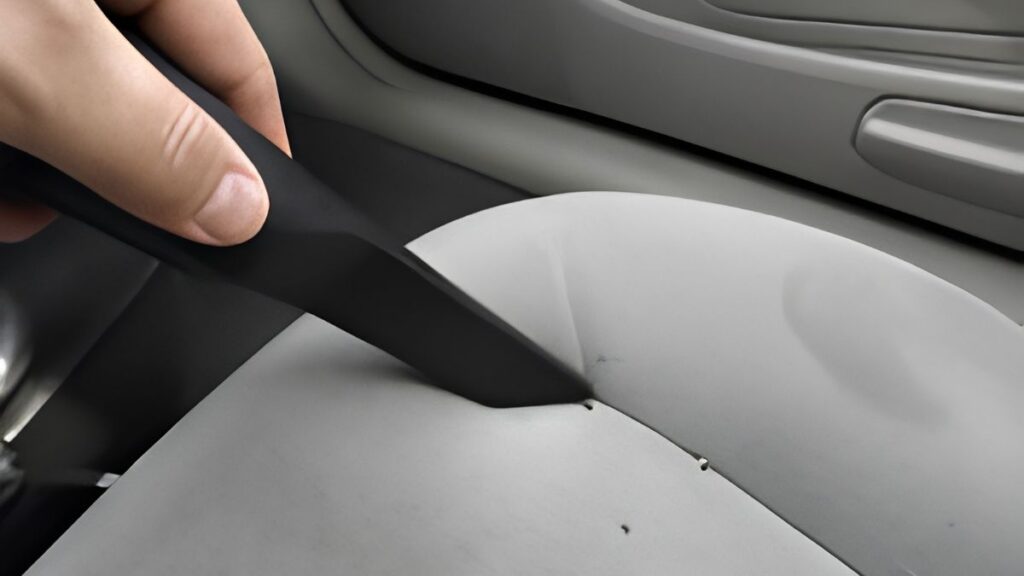
Vacuuming won’t kill bed bugs outright, but it physically removes live bugs, shed skins, and eggs from seams and crevices. Use a crevice tool and work slowly along every seat seam, under the seats, and through the trunk. Seal the vacuum bag or empty canister into a plastic bag immediately afterward and dispose of it outside the home.
Diatomaceous Earth
Food-grade diatomaceous earth is a fine powder that damages a bed bug’s outer shell, causing it to dry out over time. It works slowly compared to heat, so it’s better suited to ongoing prevention than a fast fix, and it should be vacuumed out after a few days rather than left indefinitely in a space you sit in regularly.
Why DIY Insecticide Sprays Are Risky in a Car
Not every over-the-counter spray is meant for use in an enclosed space you breathe in every day. In Canada, pesticides sold for bed bug control are regulated and should carry a Pest Control Products (PCP) registration number on the label. Health Canada evaluates these products for health and environmental safety before they’re approved for sale, and using an unregistered or imported product, especially in a small, enclosed cabin, can carry real health risks. If you’re unsure whether a product is appropriate, a licensed pest control technician can recommend something suited to a vehicle interior specifically.
| Method | How It Works | Best For |
|---|---|---|
| Heat (sun or steam) | Raises interior temperature above the bugs’ survival threshold | Light to moderate infestations, warmer months |
| Vacuuming | Physically removes bugs, eggs, and skins | Any infestation, as a first step |
| Diatomaceous earth | Dehydrates bugs over several days | Ongoing prevention, not fast removal |
| Professional treatment | Targeted heat or approved products applied by a technician | Confirmed or recurring infestations |
When to Call a Professional Pest Control Service
DIY methods can handle a small, early-stage problem, but a few situations call for professional help: if the bites or spotting keep reappearing after cleaning, if you’re not fully confident you’ve found every hiding spot, or if the infestation started at home and you’re trying to stop it from spreading further.
A certified bed bug control service can inspect the vehicle alongside your home, since treating one without checking the other often just means dealing with the same problem again a few weeks later.
Health Risks and Why You Shouldn’t Wait It Out
Bed bugs aren’t known to spread disease, but that doesn’t mean they’re harmless to ignore. Repeated bites can cause itching severe enough to lead to secondary skin infections from scratching, and some people have a stronger allergic reaction than others. Toronto Public Health defines an infestation as a breeding population showing at least two life stages plus shed skins and fecal spotting, which is a useful benchmark if you’re trying to gauge how serious your situation is. Left alone, a car infestation can also work its way into your home through your clothing, bags, or anything else that regularly moves between the two.
Preventing Bed Bugs From Coming Back to Your Car
A few habits go a long way toward keeping your vehicle bed bug free:
- Inspect secondhand furniture, mattresses, or clothing before loading them into your car, and avoid placing them directly on the seats
- After travel, keep luggage off the seats and check it before bringing it inside your home
- Vacuum your car’s interior every few weeks, paying attention to seams and under the seats
- If you carpool or use rideshare services regularly, do a quick visual check of the seats and floor from time to time
- If your home has had bed bugs recently, keep a closer eye on your car for a few weeks after treatment, since a few stragglers can sometimes hitch a ride out with you
Bottom Line
Bed bugs in a car are less common than in a home, but they’re not impossible, especially if the car is regularly used and connected to a household dealing with its own infestation. A quick inspection, some heat and vacuuming, and a bit of ongoing vigilance clear up most cases. If the problem keeps coming back or you’re not confident you’ve found every hiding spot, it’s usually faster and less stressful to bring in a professional who can check your car and your home together.
FAQs
Can bed bugs survive Ontario winters in a parked car?
It depends on how the car is used. Bed bugs generally struggle to survive extended exposure to temperatures below roughly 8°C, and an unheated car left outside through a typical GTA winter can bring populations down over time. A vehicle that’s driven daily and warms up regularly, though, gives them enough of a buffer to hang on, so cold weather alone shouldn’t be treated as a fix.
How long can bed bugs live in a car without a host?
Adult bed bugs can go for several months without feeding, particularly in cooler conditions where their metabolism slows down. That means an infrequently used car can still harbour bed bugs even if nobody’s been bitten in a while, which is part of why a visual inspection matters more than waiting to see if bites show up.
Will a car wash or detailing appointment get rid of bed bugs?
A standard car wash mostly cleans the exterior and won’t reach the seams and crevices where bed bugs hide. A detailing service that includes deep steam cleaning of the interior can help as part of a broader treatment plan, but it’s rarely enough on its own for a confirmed infestation, especially if the detailer isn’t specifically targeting bed bug hiding spots.
Can bed bugs in my car spread to my home?
Yes, this can happen in either direction. Anything that moves between your car and your house, bags, jackets, blankets, or loose items, can carry bed bugs along with it, which is why treating a car infestation in isolation without checking your home (or vice versa) often leads to the problem coming back.
How much does professional bed bug treatment cost in the GTA?
Cost varies depending on the size of the infestation, whether it involves just the vehicle or extends into the home, and which treatment method is used. Most companies, including pest control services across Vaughan and the GTA, offer a free inspection first so you get a specific quote rather than a rough estimate before any work begins.