
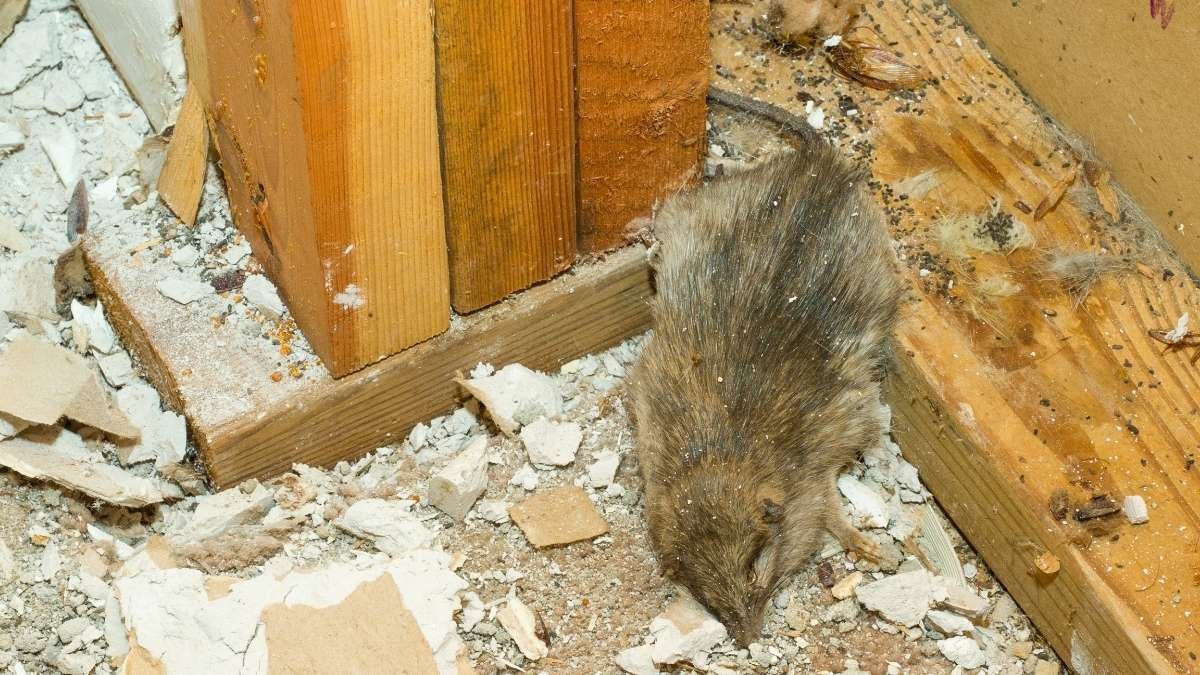
Heavy scratching, gnawing, or thumping inside a wall at night usually points to rats, especially when you also find droppings noticeably bigger than a grain of rice. The usual way to deal with it follows a set order: confirm the signs, find the gaps outside, trap along the routes rats use, and seal the openings only after the activity stops. Sealing too early can leave rats stuck behind the drywall.
This guide is for homeowners and tenants in the GTA who hear something in the walls and want to know what it is, how serious it is, and what to do next. It covers the signs, how rats get in, the risks to your home and health, safe removal steps, and when a licensed professional makes sense.
Signs of Rats in Walls Are Easiest to Spot at Night
Rats are mostly active after dark, so the first clue is usually sound. Evidence you can see tends to show up a bit later, along baseboards and near the base of the wall.
Sounds That Point to Rats
- Scratching or scurrying that sounds heavier than a mouse, often around dusk and the early morning hours.
- Gnawing, a steady chewing noise that starts and stops.
- Squeaking or chattering, which becomes more common once a nest has young in it.
- Thumps and bumps as a larger body moves between studs.
Physical Evidence Around the House
- Droppings. Per HealthLink BC, Norway rat droppings run about 19 mm (3/4 inch) with blunt ends, roof rat droppings about 13 mm with pointed ends, and mouse droppings about 6 mm.
- Grease marks. Dark smudges along baseboards, pipes, or wall openings where a rat repeatedly brushes past.
- Gnaw marks. Fresh chewing on wood, wiring, or packaging looks lighter than the surrounding surface.
- Nesting material. Shredded paper, fabric, or compressed insulation near a wall opening.
- Odour. A stale, ammonia-like smell that gets stronger near one section of wall.
| Clue | Rats | Mice |
|---|---|---|
| Sound | Heavier movement, gnawing, thumps | Light, fast scratching |
| Droppings | About 13 to 19 mm | About 6 mm |
| Smallest gap used | Roughly quarter-sized | About 6 mm (1/4 inch) |
Not sure which one you have? Our mice in walls guide breaks down the sound and dropping differences in more detail. One caution: noise during the day is more likely squirrels or birds in a vent than rats, so timing matters.
Rats Can Enter Walls Through Gaps About the Size of a Quarter
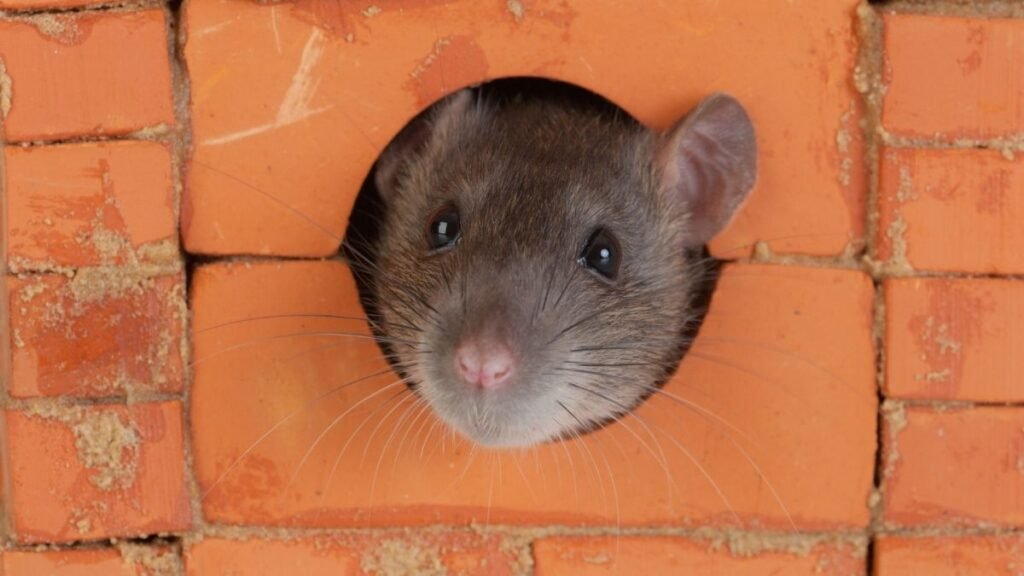
A rat can squeeze through an opening roughly 23 mm wide, about the size of a quarter. That is much smaller than most people think. Once inside, a wall cavity gives them insulation to nest in, darkness, and a private route between floors.
Common Entry Points
- Gaps where pipes, cables, and dryer vents pass through siding or brick.
- Damaged or missing vent screens.
- Foundation cracks and gaps along the sill plate.
- Roofline openings and soffits, which lead into the top of the wall.
- Worn garage door seals and gaps under exterior doors.
In Ontario, Norway rats are the species most homeowners deal with. They burrow near foundations and often come in low, though they can climb. A noise near the ceiling of an upstairs room is worth checking against the attic and roofline first.
Why Fall and Winter Bring Rats Into Walls
Falling temperatures push rodents toward heated buildings, and many households in the GTA hear the first scratching soon after the first cold nights. If you want the full picture of what changes outdoors, see why rats and mice move into homes in the GTA in winter.
How to Inspect for the Way In
Walk the outside of the house with a flashlight and check the foundation, every spot where a service line enters, each vent, and the roofline. Dark greasy smudges often mark a route rats use repeatedly. To check whether a gap is still active, lay a thin line of flour or talc in front of it in the attic or basement and look for tiny footprints or tail drag marks the next morning. Skip this step if pets or small children could scatter it.
Rats in Walls Put Your Wiring, Insulation, and Health at Risk
A rat’s teeth keep growing, so it gnaws constantly. Inside a wall, that puts wiring, plastic pipes, insulation, and drywall within reach. Chewed wiring can raise the risk of short circuits and fire, so gnawing sounds near outlets or switches, or lights that start flickering, justify a call to a licensed electrician as well as a pest professional.
Droppings and urine also build up inside the cavity, and insulation soaks them in. Over time that can cause a lingering smell, and contaminated areas can spread illness if they are disturbed. Rodents can also carry ticks and fleas. People with respiratory conditions or weakened immune systems should stay away from contaminated spaces and leave the cleanup to someone else.
How to Get Rats Out of Walls Step by Step
The order of these steps matters more than the products you pick.
1. Pin Down Where the Activity Is
Note which walls you hear it in and at what time, and check the rooms above and below. Noise high up on an upper floor often points to the attic, while noise low down tends to point to the basement, crawl space, or foundation.
2. Set Traps Where the Wall Opens, Not Inside It
Most wall cavities open into an attic, basement, or crawl space, and that is where traps belong. You do not need to cut into drywall. Use rat-sized snap traps, not mouse traps, and place them along walls at right angles with the bait end facing the wall. Rats are cautious around new objects, so bait the traps with a little peanut butter and leave them unset for a few days. Once the bait is being taken, set them. Check daily and wear gloves when handling traps or anything a rat has touched. If you have children or pets, use enclosed, tamper-resistant stations.
Skip drilling or cutting holes to chase them. It rarely finds the rat and can damage drywall or hit wiring.
3. Seal Openings in the Right Order
This is the step people tend to get wrong. If you close every hole while rats are still inside, they may chew a new way out or die in the wall. Seal the small gaps first, leave the main route open while you trap, and close that last opening only after no new activity shows up for about a week. Professionals often use a one-way door on the main entry so rats can leave but not return.
Use hardware cloth, sheet metal, or concrete patch. Steel wool on its own can rust and get pulled out, and spray foam on its own is easy to chew through. For a fuller walkthrough of trapping, baiting, and exclusion, read our guide on how to get rid of rats in the GTA.
4. Be Careful With Poison, Ultrasonic Devices, and Home Remedies
Poison is a poor fit for walls. A poisoned rat heads for a quiet spot to die, and inside your wall is about as quiet as it gets. The smell can last two weeks or more, and reaching the body can mean opening the drywall. Poison also puts pets, children, and wildlife at risk. Ultrasonic repellers tend to lose effectiveness over time, and sound does not travel well through drywall and insulation anyway. Strong smells and household remedies may shift activity for a short while, but they do not remove food, close gaps, or clear a nest.
5. Deal With a Dead Rat in the Wall
The smell is sweet and sickly and gets worse before it improves. Follow your nose to the strongest spot, and notice where flies gather. If you can reach the body from the attic or basement, remove it with gloves and a bag. If not, a small cut in the drywall at the strongest point is sometimes the quickest fix. Left alone, the odour usually fades over a few weeks, which can feel like a long time.
Clean Up Safely and Close the Doors Behind Them
Do not sweep or vacuum dry droppings, because that puts dust into the air. HealthLink BC recommends airing out the space for 30 minutes, wetting the area with a household disinfectant (or one part bleach to ten parts water, poured on rather than sprayed), wiping with paper towels, and double bagging the waste. Wear gloves, goggles, and a well-fitting filter mask, then wash your hands thoroughly.
Hantavirus pulmonary syndrome has been tied to dried droppings from wild deer mice, but it is still sensible to treat any rodent droppings as contaminated. If the mess is in wall insulation or an attic, professional cleanup is the safer route.
Once the rats are gone, keep them from coming back:
- Keep garbage and compost in containers with tight lids, and take pet food in overnight.
- Trim plants away from the foundation and store firewood off the ground and away from the house.
- Repair leaking pipes and clogged gutters that provide water.
- Replace worn door sweeps and weatherstripping, and check vent screens.
- Inspect the exterior each fall, before the cold weather sets in, and again after construction or storms.
When to Call a Professional for Rats in Walls
Rats in walls are one of the harder jobs to handle alone, because the activity is out of sight. Consider calling a professional when:
- You still hear scratching a week or two after setting traps in the right places.
- You cannot find the entry point, or it is on a roofline or foundation you cannot safely reach.
- You suspect chewed wiring or find damaged insulation.
- A strong odour suggests a rat died somewhere you cannot reach.
- Droppings appear in several rooms, or you see rats in daylight.
- You live in a rental or multi-unit building, where rats can move between connected spaces.
Invaders Canada’s rodent control service starts with an interior and exterior inspection to confirm what is going on, then combines baiting and exclusion work at the confirmed entry points, with follow-up. The company is licensed by the Ontario Ministry of Environment and serves homes across the GTA.
For a closer look at local conditions, see rat control in Mississauga.
Bottom Line
Rats in walls usually announce themselves with heavy night noise, large droppings, and grease marks along the wall.
The reliable path is to confirm the signs, find the outside gaps, trap at the attic or basement openings, and seal the last entry only after a quiet week or so. Avoid poison inside walls and watch for wiring damage. If the noise keeps going, a licensed professional can find the route you missed and close it properly.
FAQs
How long can rats live in walls?
Rats can stay in a wall for months, sometimes longer, as long as warmth, food nearby, and a way in remain. They breed often, so waiting rarely helps. A wall cavity is warm, dry, and quiet, which is exactly what they want.
What should I do if I hear scratching in my walls?
Note the time, the location, and whether the sound is heavy or light. Then inspect the attic, basement, and exterior for gaps and droppings, and place traps where the wall opens into those spaces. Hold off on sealing anything until the noise has stopped for about a week.
Why do I hear rats in my walls more in fall and winter in the GTA?
Cold weather reduces outdoor food and shelter, so rats look for heated buildings. Many homeowners in the GTA notice the first sounds soon after the first cold nights, even in homes that were quiet all summer. Checking gaps in early fall can help catch the problem before it starts.
Is it safe to use rat poison for rats in walls?
It is a poor choice for wall cavities, because poisoned rats often die in places you cannot reach, and the odour can last for weeks. In Canada, any pesticide product should carry a Pest Control Products registration number and be used exactly as the label directs. Traps at the attic or basement openings are generally a safer first step.
Should I seal the hole right away if I find where the rats are getting in?
Not yet. Sealing the main entry while rats are still inside can trap them in the wall or push them to chew into a living space. Trap first, wait until activity stops for about a week, then close the openings with hardware cloth, sheet metal, or concrete patch.