To get rid of roaches in an apartment, tell your landlord in writing, remove food and water sources, seal the gaps you can reach, and place gel bait where roaches travel. Skip foggers and random spraying. If you see roaches in daylight, find egg cases, or the problem returns within a few weeks, a licensed pest control technician is usually the safer route.
In Ontario, pest control is generally part of a landlord’s maintenance duties, so you should not have to fight a building-wide problem alone.
If you rent in Toronto or elsewhere in the GTA, this guide covers what to do first, what you can handle yourself, when to bring in a professional, and what to do if management is slow to respond.
Roaches in Apartment Usually Come From More Than One Place
A roach problem in an apartment is rarely just about your unit. Walls, pipes, and shared spaces connect your kitchen to the ones around it, which is why a spotless suite can still have activity. Knowing what you are looking at and where it likely started makes every later step more effective.
Signs You Have a Roach Problem
One roach on a late-night kitchen trip does not prove much on its own. A pattern does. Watch for these signs:
- Daytime sightings. Roaches avoid light, so seeing them while the sun is up often means hiding spots are crowded or have been disturbed.
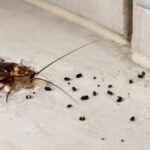
- Droppings. Small dark specks that look like coffee grounds or ground pepper near cabinet corners, hinges, and appliances.
- Egg cases. Small brown capsules tucked behind the fridge, inside cabinets, or along baseboards.
- Smear marks or a musty smell. Dark, greasy smudges along baseboards and a stale odour that cleaning does not remove.
- Small nymphs. Tiny, wingless roaches suggest breeding is happening nearby.
German cockroaches are the species most often blamed for indoor infestations in Canadian homes, but other types turn up too, and each hides a little differently. Our guide to the types of cockroaches in Ontario shows how to tell them apart, which helps when choosing bait and placement.
Common Causes of Roach Infestations in Apartments
Roaches settle where food, water, and shelter are close together. Ontario public health guidance notes that roaches are not always a sign of poor housekeeping, and that egg cases can arrive in groceries, rugs, and used appliances. The same guidance points out that in multi-unit buildings, a community effort is essential for control to work.
In apartments, the usual causes include:
- Gaps around pipes, outlets, and cabinets that connect neighbouring units.
- An untreated unit next door, above, or below. For a closer look at how this works, see how pests spread between apartments.
- Garbage rooms, chutes, and laundry areas with moisture and food residue.
- Cardboard boxes, delivery cartons, and secondhand furniture carried in from outside.
- Leaky taps, drip trays, and damp spots under sinks that supply water.
DIY Steps Can Help Control a Small, Early Roach Problem
Do-it-yourself methods work best when you have seen only a few roaches and no egg cases. They are also worth doing while you wait for management or a technician, because they make professional treatment more effective. Here is a practical order of attack.
Remove Food, Water, and Hiding Places
- Wash dishes before bed and wipe counters and the stovetop every night.
- Store dry food, cereal, and pet food in sealed containers, and do not leave pet bowls out overnight.
- Pull out the fridge and stove if you can, and clean the grease and crumbs behind and underneath.
- Fix dripping taps and wipe up standing water under sinks and around the dishwasher.
- Take garbage out daily and rinse recycling before it goes in the bin.
- Reduce stacks of cardboard, paper bags, and clutter that give roaches undisturbed shelter.
Use Gel Bait and Sticky Monitors, and Skip the Bombs
Gel bait placed in thin lines or small dots where roaches travel, such as hinges, under the sink, and behind appliances, is one of the most commonly recommended DIY tools, because roaches carry the bait back to others hiding in the wall. A few things make it work better:
- Put bait in cracks and corners, not out in the open where pets and kids can reach it.
- Avoid spraying repellent near bait, since roaches may start avoiding the area.
- Use sticky traps to see where activity is heaviest, not as your main treatment. They rarely catch enough roaches to reduce a population.
- Choose products registered in Canada and look for a Pest Control Products registration number on the label. Read and follow the directions.
Foggers, often called roach bombs, tend to miss the cracks and wall voids where roaches live. They may also push roaches deeper into walls and toward neighbouring units, which can make a shared problem harder to solve.
If you want a broader look at what store-bought products can and cannot do, see our guide to DIY pest control techniques.
Seal the Gaps You Can Reach
Once bait is working, close off the routes roaches use. Caulk small gaps around pipes under sinks, along baseboards, and around cabinet edges. Add a door sweep if there is a gap under your entry door. For larger openings in shared walls or pipe chases, ask management to arrange repairs, since those are building issues rather than something a tenant can fix.
Natural Remedies Have Limits
Many renters try boric acid, essential oils, or homemade mixtures. Evidence for these is limited, and they usually do not reach the hidden part of a colony. If you use boric acid, keep it well away from children and pets and apply it only in places they cannot touch. Electronic or ultrasonic repellers are not a reliable solution either. Treat natural methods as a small helper, not the whole plan.
A Licensed Professional Is the Better Call When Signs Point to a Colony
If you have been consistent with cleaning, sealing, and bait and activity is not dropping, the nest is likely somewhere store-bought products cannot reach. Roaches also reproduce quickly, so waiting often makes the problem larger and the treatment longer.
When to Call a Professional
- You see roaches during the day.
- You find egg cases, shed skins, or groups of small nymphs.
- There is no clear improvement after two to three weeks of steady DIY effort.
- Neighbours report roaches too, or you see them coming from a shared wall or pipe opening.
- Someone in your home has asthma or allergies and you want the problem handled quickly.
- The roaches came back after you already sprayed several times.
Professional pest management combines inspection, species identification, targeted treatment, and follow-up, which is what an established colony usually needs.
What a Treatment Visit Typically Involves
A good visit starts with an inspection of kitchens, bathrooms, drains, and cracks to find where roaches are actually living. The technician identifies the species, then applies targeted treatments such as gel bait or dust in cracks and crevices, and may recommend sealing work. Follow-up visits are common, because bait works over days and eggs that survive the first treatment can hatch later.
Do not be alarmed if you still see some roaches for a week or two afterward. Activity often continues briefly while bait works through the colony. If it has not dropped after that window, contact the company for a re-check. In an apartment, ask management to coordinate treatment with adjacent units so roaches are not simply pushed from one suite to the next.
What Professional Roach Removal Costs in the GTA
Cockroach treatment in the GTA commonly runs about $150 to $350 per visit, and many jobs need a follow-up. The final price depends on the size of the unit, how severe the problem is, and whether it has spread to nearby suites. Be wary of a quote that covers a single spray with no follow-up, since that can end up costing more than a plan that finishes the job. Invaders Canada offers a free inspection, so you can get a clear scope and price before committing.
Prevention Keeps Roaches From Coming Back
Clearing an active problem is only half the job. These habits help keep it from returning:
- Keep food sealed and wipe counters and the stovetop every night.
- Take out garbage and recycling regularly, and keep bins covered.
- Report leaks and moisture damage to your landlord in writing right away.
- Inspect cardboard boxes, grocery bags, secondhand furniture, and used appliances before bringing them inside.
- Leave bait and sticky monitors in place as an early warning system.
- Check for new gaps around pipes and baseboards a couple of times a year.
- Follow preparation instructions for every treatment, and give access for follow-up visits.
If roaches have already returned after a treatment, our article on why roaches return after treatment in apartments in Toronto explains the most common reasons and what to change.
Ontario Landlords Are Generally Responsible for Pest Control
Under Ontario’s Residential Tenancies Act, landlords must keep the rental complex in a good state of repair. According to the Landlord and Tenant Board’s maintenance and repairs brochure, a landlord must also take steps to control pests such as cockroaches and mice. Tenants have responsibilities too, such as reporting problems promptly and cooperating with treatment. Every situation is different, so treat this as general information rather than legal advice.
| Task | Landlord | Tenant |
|---|---|---|
| Arranging and paying for pest treatment | Usually | Not usually |
| Reporting sightings promptly in writing | Receives and acts on them | Yes |
| Repairing shared walls and pipe openings | Yes | Reports gaps |
| Preparing the unit for treatment | Gives notice and instructions | Yes |
| Daily cleaning and food storage | No | Yes |
What to Do if Your Landlord Does Not Act
- Put it in writing. Send a dated email or letter describing the roaches, where you see them, and when it started. Attach photos and keep a copy.
- Follow up. If you hear nothing in a reasonable time, send a second message and keep a log of dates and sightings.
- Contact your municipality. Many cities, including Toronto, have property standards bylaws and enforcement staff who can inspect.
- Consider a T6 application. If the problem is still not fixed, you can apply to the Landlord and Tenant Board about maintenance. A community legal clinic can help you prepare.
Keep paying rent in full while you pursue these steps, since withholding rent can create new problems for you. Also keep doing your part with cleaning, preparation, and access, because that protects your position if the matter ever reaches a hearing.
The Bottom Line
Roaches in an apartment are best handled with a mix of steps: tell your landlord in writing, clean and seal what you can, use gel bait instead of bombs, and call a licensed technician if you see daytime activity, egg cases, or repeat returns. Because roaches travel between units, the fix that lasts is usually one that includes your neighbours and the building. In Ontario, you generally do not need to carry that burden alone, so document everything and ask for help early.
FAQs
How long does it take to get rid of roaches in an apartment?
A small problem caught early may improve within a couple of weeks of consistent cleaning and baiting. An established German roach infestation often takes several weeks and more than one visit, since eggs hatch after the first treatment. Shared walls and untreated neighbouring units can lengthen the timeline.
Who pays for pest control in an Ontario apartment?
In most Ontario rentals, the landlord arranges and pays for pest treatment as part of maintenance. Tenants are expected to report problems promptly, prepare the unit, and allow entry with proper notice. If you are unsure about your situation, a community legal clinic or the Landlord and Tenant Board can clarify.
What should I do if my landlord refuses to deal with roaches?
Document the problem with dated photos and written requests, then follow up in writing. You can contact your municipality about property standards and, if the issue continues, file a T6 maintenance application with the Landlord and Tenant Board. Keep paying your rent while you do this.
Are DIY methods as effective as professional roach control?
DIY methods can handle a small, new problem, especially gel bait combined with cleaning and sealing. They often fall short against established colonies hiding in walls and appliances. If you still see roaches after two to three weeks, or you find egg cases, a professional assessment is the better next step.
Why am I seeing more roaches right after treatment?
Roaches can become more visible for a week or two as bait and treatments disturb hiding spots and work through the colony. This is common and does not necessarily mean the treatment failed. If activity has not dropped after that window, contact the technician for a follow-up visit.