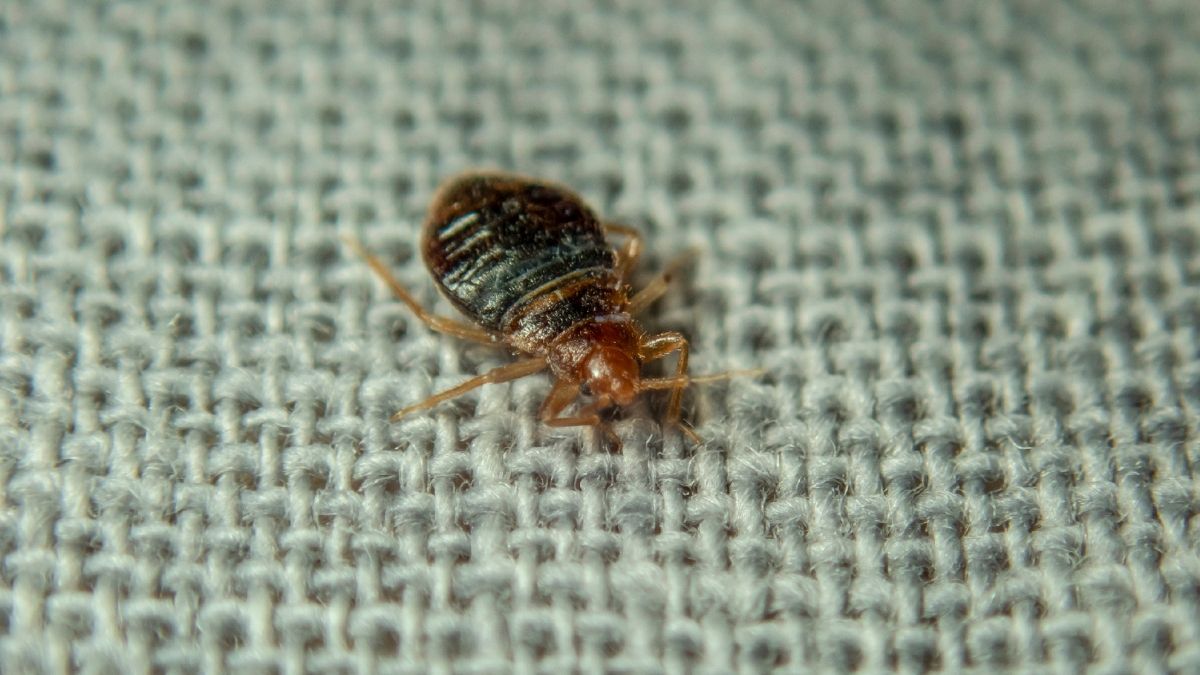
Short answer: yes, it’s normal. Most homeowners in the GTA see more ants, cockroaches, or other bugs in the first few days after a treatment, not fewer. That’s not a sign the job failed; it’s usually the treatment doing exactly what it’s supposed to do. Pesticides disturb pests out of the wall voids, cabinet gaps, and baseboard cracks where they’ve been hiding undetected, and slow-acting baits are designed to let bugs carry poison back to a nest before they die.
A short spike in activity, typically lasting anywhere from a few days to about two weeks depending on the pest, is part of the process.
What follows explains why it happens, how long it usually lasts, and when a second look from your technician is actually worth booking.
Why Treatment Disturbs Pests Before It Eliminates Them
Before a treatment, most of a cockroach or ant population is somewhere you never see: inside wall voids, under appliances, behind baseboards, or deep in cabinet gaps. A single visible bug in your kitchen at night is rarely the whole story, it’s usually a small fraction of a much larger population hiding a few feet away. When a technician applies a residual spray, dust, or gel bait to those harborage areas, the chemical contacts insects that were previously undisturbed.
Rather than dying instantly and out of sight, many pests get agitated and move, which is why you may suddenly notice roaches on a counter in daylight or ants trailing across a floor they’d never crossed before. It looks like more bugs. In reality, it’s often the same population becoming visible for the first time, not a new one appearing.
This is especially common with cockroach treatments, since German and American cockroaches in particular spend most of their lives in tight, dark harborage points and rarely show themselves under normal conditions.
It’s also worth remembering that a home doesn’t get treated all at once in the sense of every hiding spot being addressed simultaneously. A technician works room by room, focusing on kitchens, bathrooms, and known entry points first. Pests in areas that haven’t been directly treated yet — an untreated closet, a rarely used guest bathroom, a shared wall with a neighbouring unit — can still be moving normally while the treated zones are actively disrupting activity. In multi-unit buildings and semis common across Toronto, Mississauga, Brampton, and Vaughan, this can mean pests briefly relocating from a treated area toward an untreated one before circling back, which adds to the impression of increased activity in the days right after service.
How Long the Increased Activity Usually Lasts
There’s no single number that applies to every pest or every home; infestation size, the species involved, and how many hiding spots exist all play a role. As a general pattern, though, most homeowners notice the bump in activity easing within a few days to two weeks. The table below gives a rough sense of what’s typical, though your technician can give you a more specific timeline based on what they found during inspection.
| Pest | Typical spike window | When activity should be clearly declining |
|---|---|---|
| Cockroaches | 3–10 days | By end of week 2 |
| Ants | 3–7 days | Within 1–2 weeks |
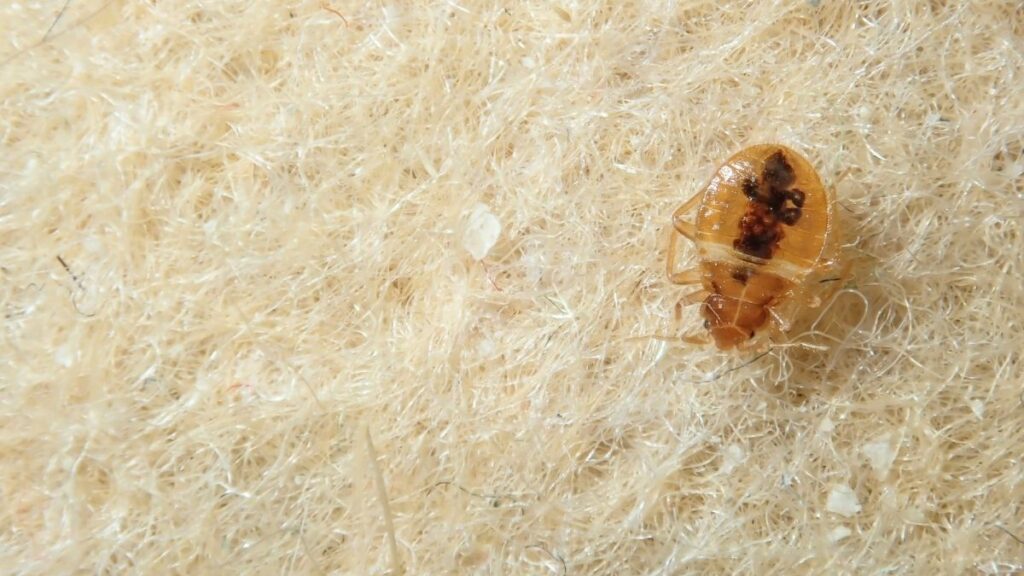
| Bed bugs | 1–2 weeks | After the follow-up visit |
If you’re still seeing consistent activity well past these windows, that’s the point to flag it, not necessarily during the first few days.
How Baits Work, and Why They’re Designed to Take Time
A lot of what looks like a treatment “not working” is actually a bait doing slow, deliberate work. Gel baits and bait stations aren’t meant to kill on contact. Cockroaches and ants that feed on bait carry the active ingredient back to the nest on their bodies and in their waste, exposing others — including the queen or egg-producing individuals — that never touched the bait directly.
Health Canada notes that registered bait stations typically kill cockroaches roughly 48 to 96 hours after the active ingredient is ingested, which means some continued sightings in the first few days after a bait application are expected, not a red flag.
The trade-off is worth it: a fast-killing spray only gets the roaches or ants you can see, while a properly placed bait can reach the hidden majority of a colony that a spray never touches.
Why Insects Hide, Then Suddenly Show Up
Cockroaches are nocturnal and light-averse by instinct, and most ant species build nests specifically to stay concealed from predators and disturbance. Under normal conditions, that means you might only ever see a handful of individuals, even in a home with an established population. Treatment changes that equation.
Residual products applied along baseboards, under sinks, and around entry points make previously “safe” hiding spots uncomfortable or lethal, pushing pests to relocate. Some end up crossing open floor space in daylight, exactly the behaviour that makes an infestation feel sudden even though it’s been building for a while.
Seeing pests out in the open after a visit is frequently a sign the treatment reached areas it needed to, not that new pests have moved in.
Other Factors That Can Affect How Many Bugs You See
Treatment isn’t the only variable at play in the days after a visit. Weather shifts, especially a stretch of humid or rainy conditions common in the GTA through spring and summer, can independently push ant and cockroach activity up regardless of when a treatment happened, since moisture and warmth are two of the biggest drivers of insect movement. Available food and water sources matter just as much: dishes left out overnight, pet food bowls, or a damp basement corner can keep drawing pests toward a treated area even while the treatment itself is working as expected.
None of this means the service was ineffective, but it does mean the surrounding conditions in your home play a real role in how quickly you notice results, which is part of why technicians usually pair a treatment with a short list of prevention steps rather than treating the chemical application as the whole solution.
Pest Life Cycles and Why Eggs Can Hatch After Treatment
Most residual insecticides and baits are effective against active, mobile insects, but eggs are a different story. Cockroach eggs are protected inside a hardened case called an ootheca, which can shield developing eggs from surface-applied products for weeks depending on the species and how the case is positioned.
Ant colonies work similarly: worker ants that die from bait exposure don’t necessarily stop the queen from laying more eggs immediately, and existing eggs and larvae in the nest continue developing on their own schedule. That means it’s genuinely possible to see a small number of newly hatched, smaller insects a week or two after a treatment even when the visible adult population has dropped noticeably. This isn’t usually a sign of failure; it’s why professional pest control plans build in a second visit rather than treating pests as a single-application problem.
The Role of Monitoring and Follow-Up Inspection
A single treatment rarely tells the whole story of how well it worked. Technicians often place monitoring stations or glue traps during the first visit specifically to track activity between appointments — not just to catch pests, but to see where they’re still moving and in what numbers. A drop in trap counts between visits is one of the clearest signs treatment is working, even if you’re still seeing the occasional bug in the meantime.
Follow-up inspections also let a technician check whether egg cases have hatched, whether bait stations need refreshing, and whether the pest pressure is coming from inside the structure or being reintroduced from a neighbouring unit or the exterior — a common issue in GTA row houses, semis, and multi-unit buildings.
When Increased Activity Is Genuinely a Concern
Most post-treatment activity is temporary and expected, but a few patterns are worth flagging to your provider rather than waiting out:
- Activity that hasn’t meaningfully declined after two to three weeks, especially for cockroaches or ants
- Live insects still visibly feeding, mating, or building new trails well past the expected window
- New egg casings or larvae appearing in areas that were already treated
- Activity spreading to rooms that weren’t previously affected
- Signs of a different pest entirely, rather than a continuation of the original one
If any of these sound familiar, a follow-up visit is the right move — most professional treatment plans, including bed bug treatment programs, are structured around at least one re-inspection specifically because pests like these rarely resolve in a single visit.
What You Can Do While Treatment Takes Effect
A few habits in the days after a visit can help the treatment work as intended and make the transition period less unsettling:
- Avoid mopping or wiping down treated baseboards and cracks for the period your technician recommends, since this can remove residual product before it’s had time to work
- Keep food sealed and counters clear, which reduces competing food sources and encourages pests to take the bait instead
- Don’t apply your own store-bought sprays on top of a professional treatment — some products can repel pests away from bait stations rather than let them feed, undoing part of the treatment
- Keep an eye on activity levels rather than individual sightings, since a declining trend matters more than any single bug you spot
- Note where and when you’re seeing activity so you can give your technician specifics at the follow-up visit
FAQs
Does seeing more cockroaches mean the treatment failed?
Not usually. A short-term increase in cockroach sightings is a common and expected reaction as hidden insects are disturbed by the treatment and gel baits work over several days rather than instantly. Treatment failure is more accurately signalled by activity that hasn’t declined after two to three weeks, not by a bump in the first few days.
How many days after pest control should I still expect to see bugs?
Most homeowners see a noticeable decline within the first one to two weeks, though this varies by pest and infestation size. Cockroaches and ants typically taper off faster than bed bugs, which often need a follow-up treatment built into the original plan.
Why are there more ants after pest control instead of fewer?
Slow-acting baits are designed to let worker ants carry the active ingredient back to the colony, which can temporarily increase visible trailing activity as ants forage more actively to bring bait back to the nest. This is a sign the bait is being transferred, not a sign the colony is growing.
Is it normal for baby cockroaches to appear after treatment?
It can be. Cockroach eggs are protected inside a hardened case that shields them from surface-applied products for a period of time, so a small number of newly hatched nymphs appearing one to two weeks after treatment doesn’t necessarily mean the treatment isn’t working — it often just means eggs that were already laid before the visit are hatching on their own timeline.
Do I need a follow-up pest control visit in the GTA, or is one treatment enough?
For most established infestations — particularly cockroaches, ants with a hidden colony, and bed bugs — one treatment is rarely the full plan. GTA properties, especially older homes, semis, and multi-unit buildings, often have pests re-entering from shared walls or neighbouring units, so a follow-up inspection is standard practice to confirm the population is actually declining rather than assuming it from a single visit.