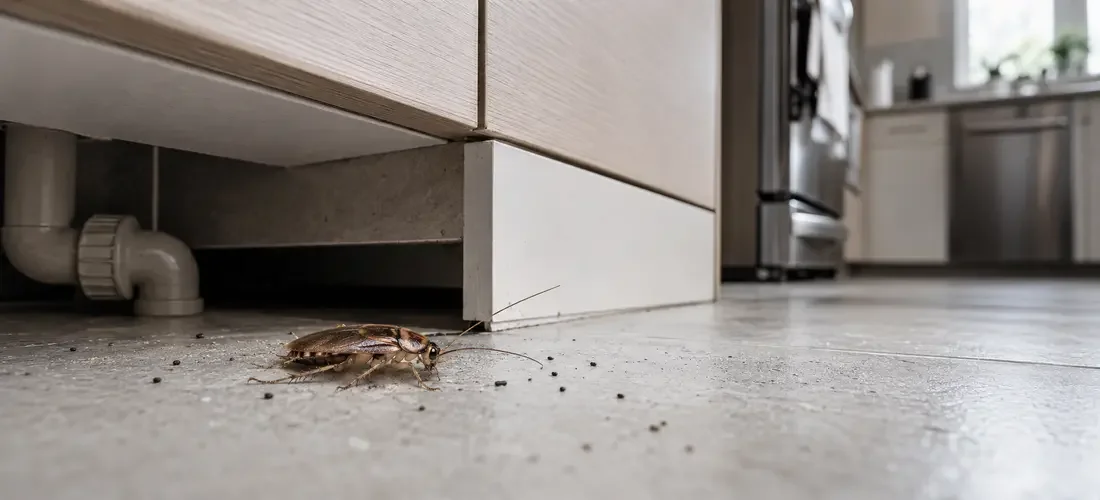
Cockroach treatment is needed when you see live or dead roaches, pepper-like droppings, egg cases, shed skins, unusual odours, or activity during daylight. Because cockroaches reproduce quickly and hide inside walls, cabinets, appliances, and drains, even one sighting can indicate a larger infestation requiring professional inspection. DIY prevention tactics are also essential, but timely professional inspections and treatments also help avoid massive infestations.
Cockroaches are among the most persistent pests found in Scarborough homes, apartments, restaurants, and commercial buildings. Effective cockroach control Scarborough residents can depend on requires proper identification, targeted treatment, sanitation, monitoring, and follow-up. Warm kitchens, shared plumbing, crowded storage areas, food waste, and small structural openings give them convenient access to food, water, and shelter.
Once established, they can move between rooms or neighbouring units through pipe gaps, wall voids, utility lines, and corridors. Early action is essential. Cleaning may remove food sources, but it rarely eliminates an established colony hidden behind appliances or inside walls. Understanding the warning signs, common hiding places, treatment options, and steps you can take to prevent another infestation is beneficial.
Common Cockroach Species Found in Scarborough
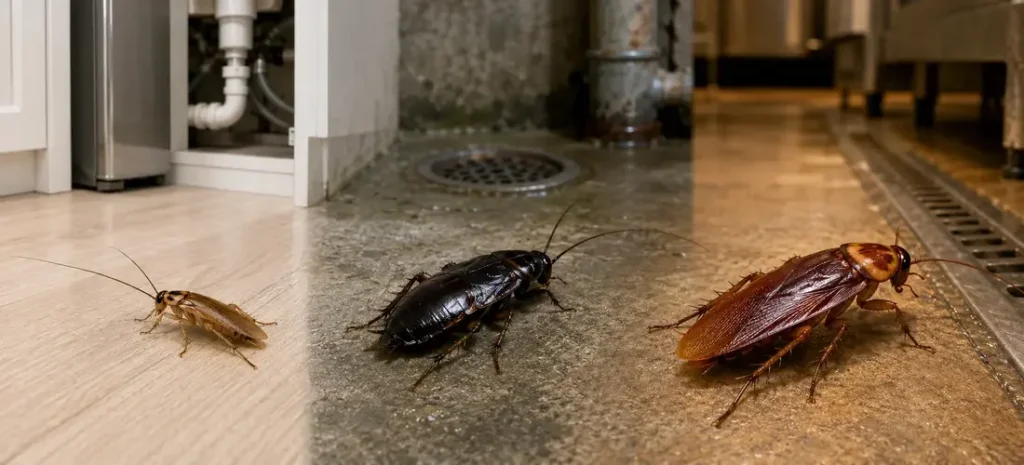
Correct identification helps determine where cockroaches are nesting and which treatment is most likely to work.
German Cockroaches
German cockroaches are small, light brown insects with two dark parallel stripes behind their heads. They are commonly found inside residential and commercial properties, particularly in kitchens, bathrooms, food-storage rooms, and laundry areas.
They reproduce rapidly and often hide in tight spaces near warmth and moisture. Common locations include:
- Behind refrigerators and stoves.
- Under kitchen sinks.
- Inside cabinet hinges and cracks.
- Around dishwashers and microwaves.
- Near plumbing lines.
- Inside small electrical appliances.
Because they can build large populations in relatively small areas, German cockroaches should be addressed as soon as signs appear.
Oriental Cockroaches
Oriental cockroaches are larger, darker, and more strongly associated with damp areas. They may be found in basements, utility rooms, floor drains, crawl spaces, garbage areas, and around leaking pipes.
Their presence can indicate excess moisture, drainage problems, or an accessible entry point at ground level.
American Cockroaches
American cockroaches are large, reddish-brown insects. They generally favour warm, humid locations such as boiler rooms, basements, sewer connections, service tunnels, commercial kitchens, and drainage systems.
Seeing one does not always prove that a colony is nesting inside your unit. However, repeated sightings should be investigated, especially in buildings with shared plumbing or waste-management areas.
Signs You Need Cockroach Treatment
Cockroaches are nocturnal and avoid open spaces when people are active. By the time several are visible, the hidden population may already be substantial.
| Warning sign | What it may indicate | Recommended response |
|---|---|---|
| Live cockroaches at night | Active foraging near food or water | Inspect nearby cracks, cabinets, and appliances |
| Daytime sightings | Competition for shelter or a growing population | Arrange professional treatment promptly |
| Pepper-like droppings | Regular activity near a harbourage | Clean carefully and monitor the surrounding area |
| Egg cases | Active or recent reproduction | Do not rely on surface spraying alone |
| Shed skins | Developing nymphs nearby | Inspect warm, narrow hiding places |
| Musty or oily odour | Possible heavy or long-term activity | Request a detailed inspection |
| Dead cockroaches | Existing population or incomplete treatment | Determine where they came from |
| Roaches in multiple rooms | Movement beyond the original harbourage | Use a property-wide control plan |
1. Live Cockroaches at Night
A cockroach seen after turning on the kitchen light is one of the clearest warning signs. The insect was likely searching for water or food before being disturbed.
Check under the sink, behind appliances, near drains, around garbage containers, and inside lower cabinets. If sightings occur on several nights, the problem is unlikely to be an isolated visitor.
2. Cockroaches During the Day
Daytime activity deserves particular attention. Cockroaches generally remain hidden when a property is bright and occupied. Individuals may emerge during the day when harbourages are disturbed, food is scarce, or hiding spaces have become crowded.
A daytime sighting does not measure the exact size of an infestation, but it is a strong reason to arrange an inspection rather than waiting for more evidence.
3. Pepper-Like Droppings
German cockroach droppings often resemble black pepper, coffee grounds, or small dark smears. Look for them along cabinet edges, in drawers, beneath sinks, around appliance motors, and where walls meet countertops.
Larger species may leave cylindrical droppings. Because pest droppings can be confused with other debris, identification by a qualified technician is useful.
Avoid sweeping dry droppings into the air. Wear gloves and clean contaminated surfaces carefully with an appropriate household cleaner.
4. Egg Cases
Cockroach egg cases, known as oothecae, are small capsules containing multiple eggs. Depending on the species, they may be carried by the female for a period or deposited in a protected location.
Egg cases may be discovered behind furniture, beneath appliances, inside boxes, near stored food, or along cabinet corners. Finding one is evidence that reproduction has occurred on or near the property.
5. Shed Skins
Young cockroaches shed their outer covering as they grow. Pale brown skins in cabinets, drawers, pantries, or dark corners suggest that nymphs are developing nearby.
Shed skins are easy to overlook because they can resemble food crumbs or fragments of dry leaves.
6. An Unusual Musty Odour
A persistent oily or musty smell can develop when a significant number of cockroaches are present. The odour may be strongest inside cabinets, behind a refrigerator, or in a room where activity is concentrated.
However, smell alone is not a reliable method of detection. Smaller infestations may produce no noticeable odour.
7. Smear Marks Around Damp Areas
Dark, irregular smears may appear along walls, cabinet edges, or horizontal surfaces where cockroaches repeatedly travel. These marks are more likely to occur in humid locations.
Smears near plumbing fixtures, condensation, or leaks should prompt an inspection of the surrounding gaps and voids.
8. Dead Cockroaches Without an Obvious Cause
Finding dead cockroaches can still indicate an active problem. The insects may have travelled from a neighbouring unit, contacted an old pesticide application, or died naturally after emerging from a hidden colony.
Remove the insect, record where it was found, and place monitoring traps nearby. Repeated discoveries require further investigation.
Why Do Roaches in Kitchens Require Immediate Attention?
Finding roaches in kitchen cabinets or around food-preparation surfaces is more than an unpleasant inconvenience. Cockroaches move through drains, waste areas, floor cracks, and other contaminated locations before travelling across counters, utensils, packaging, and storage shelves.
They can mechanically carry microorganisms onto food-contact surfaces. Their droppings, saliva, and shed body parts can also contribute to indoor allergens, which may be particularly concerning for sensitive individuals.
Kitchens offer everything cockroaches need:
- Food residue beneath appliances.
- Grease around stoves and cabinets.
- Water around sinks and dishwashers.
- Warm appliance motors.
- Cardboard and paper packaging.
- Narrow cracks for shelter.
- Garbage and recycling containers.
- Pet food left out overnight.
A kitchen can look clean while still supporting cockroaches. Small amounts of grease, crumbs beneath a stove, condensation behind a refrigerator, or residue inside a recycling container may be enough to sustain them.
Where Do Cockroaches Hide Inside a Property?
A proper inspection should extend beyond visible floors and countertops.
Kitchen Hiding Places
Inspect the following areas:
- Refrigerator compressor and drip tray.
- Stove sides and rear panel.
- Dishwasher insulation and plumbing connections.
- Cabinet hinges, corners, and screw holes.
- Gaps where countertops meet walls.
- Toasters, coffee machines, and other warm appliances.
- Food-storage shelves.
- Garbage and recycling stations.
Small appliances can provide warmth, darkness, and access to crumbs. Avoid spraying liquids into electrical equipment.
Bathrooms and Laundry Areas
Cockroaches may gather around toilets, tubs, washing machines, water heaters, floor drains, and leaking supply lines. Inspect pipe penetrations where plumbing enters the wall or floor.
Moisture control is critical. Repair leaks and dry standing water, but remember that repairs alone will not eliminate an existing colony.
Basements, Utility Rooms, and Drains
Basements and utility rooms often contain the humidity and shelter favoured by larger cockroach species. Floor drains, sump areas, service openings, and stored cardboard should all be checked.
Cockroaches may appear near a drain without living inside the drain itself. They can hide in nearby wall voids or enter through damaged seals and plumbing gaps. A technician should determine the actual route before treatment begins.
Apartments and Condominiums
In multi-unit buildings, cockroaches can travel through shared walls, plumbing chases, conduits, vents, and hallways. Treating only one visible spot may provide temporary relief while activity continues elsewhere.
Coordinated inspection of adjacent units may be necessary when an infestation repeatedly returns. Toronto requires properties to be maintained free from pests and conditions that encourage them. Renters should notify their landlord or property manager in writing and keep a copy of the request.
How Professional Cockroach Treatment Works?
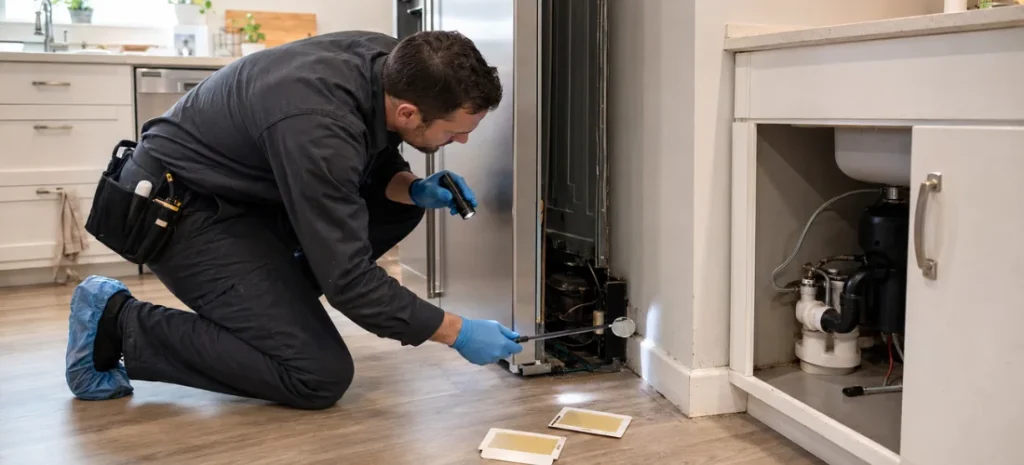
A reliable cockroach exterminator Scarborough service should use a targeted plan rather than automatically spraying every exposed surface.
Step 1: Inspection and Species Identification
The technician examines moisture sources, food access, hiding places, structural gaps, and evidence such as droppings or egg cases. Sticky monitoring traps may be placed to identify high-activity zones and travel routes.
The inspection should cover more than the room where the first cockroach appeared.
Step 2: Sanitation and Preparation
Residents may be asked to:
- Remove food and clutter from selected cabinets.
- Store food in sealed containers.
- Clean grease and crumbs from appliances.
- Empty garbage and recycling.
- Vacuum visible cockroaches and debris.
- Move items away from specified treatment areas.
- Secure pets and follow access instructions.
Preparation requirements depend on the method being used. Follow the pest professional’s written directions instead of assuming that every treatment requires emptying the entire kitchen.
Step 3: Targeted Bait Application
Professional bait gel can be applied in small placements near active harbourages, cracks, cabinet hinges, plumbing gaps, and appliance voids. Cockroaches consume the bait and die after exposure.
Bait placement must remain protected from children and pets. It should not be contaminated with household cleaners or repellent sprays, which can discourage cockroaches from feeding.
Step 4: Crack-and-Crevice Treatment
Where appropriate, technicians may apply registered products inside narrow harbourages and inaccessible voids. Treatment is focused on cockroach pathways rather than placed indiscriminately on open floors or food-contact surfaces.
Step 5: Monitoring and Follow-Up
Cockroach control is a process, not always a single visit. Monitoring helps determine whether activity is falling, whether bait needs replacement, and whether untreated harbourages remain.
Follow-up is especially important for German cockroaches, heavy infestations, and multi-unit properties.
Why do DIY Sprays Often Fail?
Store-bought sprays may kill a visible cockroach, but they seldom reach the colony. Repellent products can also push insects deeper into walls or move them into another room.
Common mistakes include:
- Spraying countertops and baseboards without locating harbourages.
- Applying household spray over gel bait.
- Using excessive pesticide.
- Mixing different products.
- Ignoring leaks and food residue.
- Removing bait before cockroaches have fed on it.
- Treating one apartment when pests are moving between units.
- Using unregistered products purchased online.
All pesticides used in Canada must be registered and applied according to their labels. Unregistered cockroach powders or chalks can create avoidable risks and may violate federal requirements.
DIY pest control and sanitation are valuable for early detection, but recurring sightings, egg cases, or activity across several rooms usually require professional roach control Scarborough property owners can coordinate and monitor.
When Should You Call a Cockroach Exterminator?
Arrange professional treatment when:
- You see cockroaches more than once.
- Cockroaches appear during daylight.
- You find egg cases, nymphs, or shed skins.
- Droppings return after cleaning.
- Activity spreads beyond the kitchen.
- DIY products provide only temporary relief.
- A child, older adult, or allergy-sensitive person lives in the property.
- The problem involves an apartment or adjoining commercial unit.
- Cockroaches are affecting a restaurant or food business.
- You cannot identify the entry point or harbourage.
Waiting until insects appear in several rooms gives the infestation more time to reproduce and disperse.
Preventing Cockroaches After Treatment
Treatment works best when the property no longer provides easy access to food, water, and shelter.
Improve Food and Waste Management
Store cereals, flour, rice, pet food, and snacks in sealed containers. Wipe spills promptly and avoid leaving dirty dishes overnight. Rinse recycling and clean the area beneath garbage containers.
Reduce Moisture
Repair leaking taps, pipes, and appliance connections. Dry the sink before bed, address condensation, and improve ventilation in damp rooms.
Seal Entry Points
Seal appropriate gaps around pipes, cabinets, baseboards, and utility penetrations after active harbourages have been assessed. Add door sweeps where exterior light is visible beneath doors.
Remove Clutter and Cardboard
Cockroaches can hide in corrugated cardboard, paper bags, and crowded cupboards. Transfer stored goods to durable containers and dispose of unnecessary packaging.
Continue Monitoring
Place glue boards in discreet areas beside walls, under sinks, and behind appliances. Number and date each trap so activity can be compared over time. Traps help detect cockroaches, but they should not be considered a complete treatment for an established infestation.
Investing in professional pest control services can save time, money, and overall property value. Invaders Canada is a reliable pest extermination company that offers services to both residential and commercial spaces.
Whether you want cockroach control Scarborough services or want an inspection of your overall space, our team can help. Contact us today for further information.
Conclusion
To conclude, cockroach control in Scarborough should begin at the first reliable warning sign, not after the insects have spread throughout the property. Night-time sightings, daytime activity, droppings, egg cases, shed skins, recurring dead insects, and musty odours can all signal an active infestation. Successful treatment combines accurate identification, targeted baiting, crack-and-crevice work, sanitation, moisture reduction, and follow-up monitoring. Acting early gives you the best chance of containing the problem before cockroaches reach additional rooms or areas.
FAQs
Does seeing one cockroach mean there is an infestation?
Not always, but one cockroach should never be ignored. The insect may have entered accidentally, travelled from another unit, or emerged from a hidden colony. Place monitoring traps nearby and arrange an inspection if you notice further activity, droppings, nymphs, or egg cases.
How long does cockroach treatment take to work?
Visible activity may begin declining within days, but the full timeline depends on the species, infestation size, property layout, sanitation, and treatment method. Egg cases and hidden harbourages can require continued monitoring and follow-up. Do not remove bait or apply another pesticide unless instructed.
Are cockroach gel baits safe around children and pets?
Registered gel baits must be applied according to their labels and positioned where children and pets cannot access them. Tell the technician about everyone living in the property, including pets, before treatment. Never place pesticide bait on exposed food-preparation surfaces.
Can cockroaches come through apartment drains?
Cockroaches can appear near plumbing and drains, particularly where moisture, damaged seals, or structural gaps provide access. However, the drain may not be their nesting location. They can also travel through wall voids and shared utility lines, so a broader inspection is usually needed.
Is the landlord responsible for cockroach treatment in Scarborough?
Toronto property standards require rental properties to be kept free of pests and conditions that encourage them. Tenants should report the problem to the landlord or property manager in writing, retain a copy, prepare the unit as instructed, and provide reasonable access for treatment.
10 Bed Bug Prevention Tips for Families in Toronto