The best bed bug prevention tips for Toronto families include examining sleeping areas regularly, protecting mattresses, reducing bedroom clutter, checking second-hand belongings, handling suitcases carefully, managing laundry safely, monitoring children’s bags, sealing apartment entry points, using detection tools, and responding immediately to warning signs. These measures cannot guarantee complete protection, but they make early detection easier and reduce the risk of a small introduction becoming a widespread infestation. Investing in professional pest control services from time to time helps keep your spaces safe.
Toronto’s apartments, condominiums, shared laundry rooms, schools, hotels, and public spaces create many opportunities for unwanted insects to move between locations. Bed bugs are usually carried inside through luggage, clothing, furniture, backpacks, or other personal belongings. Bed bug prevention tips work best when every household member follows a few consistent habits instead of reacting only after bites appear.
Their presence is not a sign that a family has a dirty or poorly maintained home. Any household can be affected, regardless of its income, location, or cleaning routine. Homeowners should focus on early detection, safe handling of exposed items, and reducing the number of hidden spaces around sleeping areas. Learning the right prevention tactics and using professional help can prove vital.
Top Bed Bug Prevention Tips
1. Examine Beds and Nearby Furniture Regularly
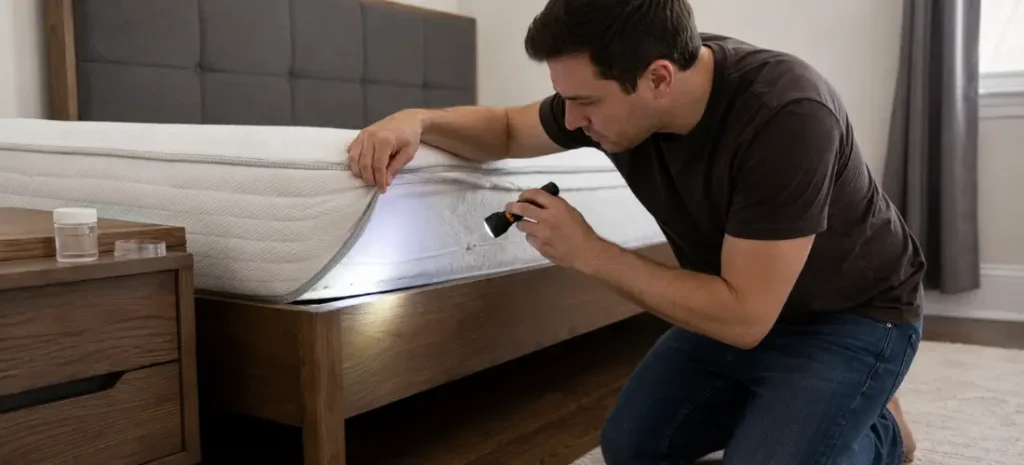
A routine visual inspection is one of the most effective ways to discover an introduction early. Choose a specific day every two weeks so the check becomes part of normal household maintenance rather than something done only after a problem appears.
Start with the mattress seams, piping, labels, handles, and corners. Continue to the box spring, headboard, bed-frame joints, screw holes, slats, and the area where the frame meets the wall. Use a bright flashlight because young insects and eggs can be difficult to see.
Do not limit the examination to the mattress. Check nightstands, upholstered chairs, baseboards, curtain folds, picture frames, loose wallpaper, and items stored beneath the bed. Most activity begins close to a resting person, but established infestations can spread farther across the room.
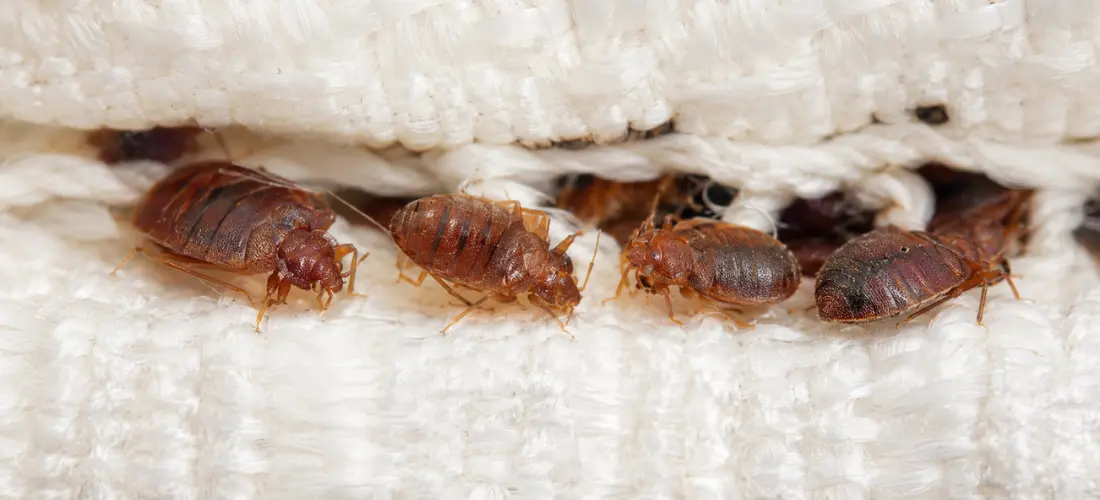
Bed bugs are small, flat, and reddish-brown as adults, while earlier stages are smaller and lighter. Other signs include dark spotting, pale shed skins, tiny white eggs, and small reddish marks on sheets. A sweet or musty smell may sometimes occur in a substantial infestation, but families should not wait for an odour before taking action.
Skin reactions alone are unreliable. Some people develop itchy marks, while others show little or no reaction. Fleas, mosquitoes, allergies, and several skin conditions can also produce similar marks.
If you find a suspicious insect, capture it with clear tape or place it in a sealed container. A physical sample or close photograph can help a qualified professional confirm what it is before treatment begins.
2. Protect Mattresses and Isolate the Bed
Certified mattress and box-spring encasements can simplify monitoring by covering folds and seams where insects commonly hide. Their smooth, light-coloured surfaces also make dark spotting, shed material, and live activity easier to notice.
Select an encasement specifically designed for this pest. A basic waterproof mattress protector may not have reinforced seams or a secure zipper closure. The zipper should close completely and include a guard that covers its endpoint.
Check the encasement regularly for tears, especially where the mattress touches sharp corners or metal parts of the frame. Repair or replace a damaged cover promptly. If an encasement is installed after suspected activity, do not remove it without professional guidance.
Move the bed slightly away from the wall when space allows. Make sure blankets, sheets, and charging cables do not touch the floor. These objects can provide alternative routes onto the bed.
Interceptor cups may be placed beneath bed legs to capture insects moving between the floor and the frame. They must remain clean, correctly positioned, and free from dust or objects that create a bridge over them.
Among practical bed bug tips, isolating the sleeping area is often overlooked. It does not eliminate an existing infestation, but it supports monitoring and can help reveal activity earlier.
3. Reduce Clutter Without Moving It Between Rooms
Clutter does not attract this pest, but it creates additional hiding places and makes monitoring or professional treatment more difficult. Cardboard boxes, piles of clothing, stuffed toys, books, and bags around the bed allow activity to remain concealed.
Keep the floor beneath and around each bed as clear as possible. If under-bed storage is necessary, use durable plastic containers with secure lids. Avoid open baskets and cardboard boxes because their seams and folds are harder to examine.
Place worn clothing in a hamper rather than leaving it on the floor. Give every child a specific place for schoolbags, coats, sports equipment, and toys. A short weekly bedroom reset can help the household maintain this system.
A workable bed bug prevention family routine should be simple: clear the floor, check the bed, organize personal belongings, and report anything unusual. Complicated routines are less likely to be followed consistently.
4. Follow a Suitcase Routine Before and After Trips
Travel is a major exposure route because suitcases and personal belongings move through hotels, rental properties, airports, buses, trains, and other busy locations.
When entering temporary accommodation, place suitcases in the bathroom or on another hard surface while checking the room. Do not immediately put luggage on the bed, carpet, upholstered furniture, or an unexamined luggage rack.
Use a flashlight to examine mattress seams, the headboard, bed-frame corners, and the luggage rack’s joints and fabric straps. Look for live insects, shed material, eggs, and dark or rusty spotting. If the evidence appears suspicious, photograph it and notify the property manager.
Requesting a room directly beside, above, or below the affected room may not provide enough separation. Ask for a room farther away or move to another property if management cannot address the concern appropriately.
Keep clean clothing inside closed packing cubes or sealed bags. Store worn clothes separately. Do not leave personal items spread across the floor or upholstered furniture.
After returning to Toronto, unpack in a garage, entryway, laundry room, or another hard-surfaced area away from bedrooms. Examine the suitcase’s seams, pockets, wheels, handles, and zipper folds.
Vacuum suitable luggage carefully. Empty the vacuum contents into a sealed bag and dispose of it outside immediately. Store suitcases away from sleeping areas rather than beneath the bed.
5. Check Used Furniture, Clothing, and Children’s Items
Second-hand items require careful examination before entering the home. Upholstered chairs, sofas, mattresses, bed frames, nightstands, clothing, backpacks, and fabric toys can contain protected seams or gaps.
Avoid bringing home furniture left beside dumpsters, apartment waste areas, or curbs. An item may appear clean while containing insects or eggs inside joints, fabric folds, or its underside. It may have been discarded because of an active infestation.
Before purchasing furniture, ask where it has been stored and why it is being sold. Examine drawers, screw holes, seams, joints, staples, fabric folds, and the underside. Whenever possible, complete this check outdoors or in a garage.
Never take an unexamined item directly into a child’s bedroom. Keep washable purchases contained until they can be processed safely. If an object cannot be opened, examined, or treated reliably, leaving it behind is the safer decision.
The goal is awareness, not blame. An affected school, neighbour, friend, or family has not necessarily done anything wrong. Stigma can discourage early reporting and allow a manageable problem to spread.
Quick Prevention Schedule
| Household task | Recommended frequency |
|---|---|
| Examine mattresses and bed frames | Every two weeks |
| Check encasements and interceptor cups | Monthly |
| Clear bedroom floors and organize storage | Weekly |
| Examine suitcases | After every trip |
| Check used household items | Before bringing them inside |
| Review children’s bags and coats | After overnight stays or reported exposure |
| Check gaps around pipes and baseboards | Every three months |
| Contact a professional | As soon as reliable evidence appears |
6. Process Laundry and Exposed Fabrics Safely
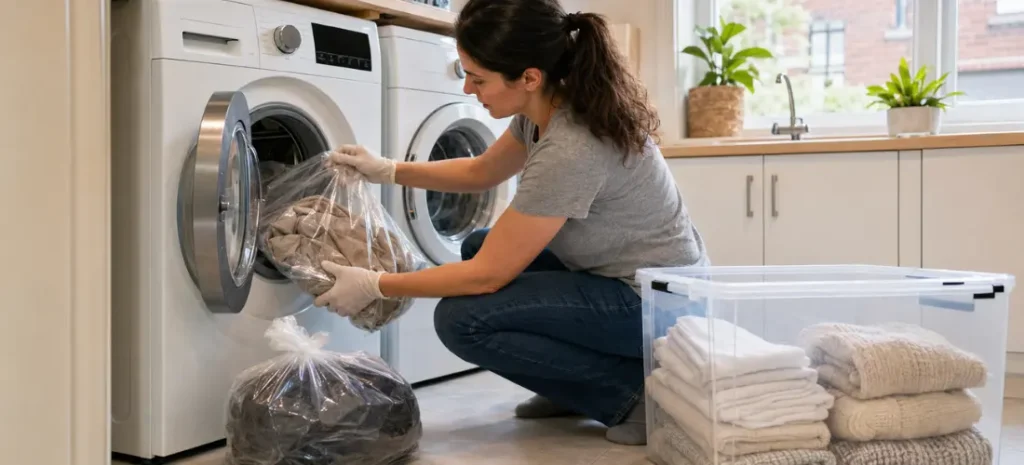
If clothing, towels, or other washable fabrics may have been exposed, place them in sealed bags before carrying them through the home. Do not shake the contents because this can scatter insects or eggs.
Transfer items directly from the bag into the washer or dryer. Follow each item’s care label and use the hottest dryer setting the material can safely tolerate. Dryer effectiveness depends on the temperature reached, the load size, the machine, and the amount of time items remain heated.
Avoid overloading the machine. A densely packed dryer may not heat every item evenly. Once the cycle is complete, place clean items in fresh bags or sealed containers rather than returning them to the original bag.
Bedding should remain separated from questionable belongings until the possible source has been addressed.
To prevent bed bugs from being carried into unaffected areas, keep exposed and processed items clearly separated. Label containers if several family members are handling the laundry.
7. Reduce Entry Routes in Apartments and Condominiums
Residents of multi-unit buildings face an additional risk because insects may move through gaps around utility lines, pipes, baseboards, walls, doors, or shared structural spaces. An adjoining unit can therefore affect nearby homes even when residents do not exchange belongings.
To get rid of bed bugs, seal accessible cracks around baseboards, window frames, door frames, cables, plumbing, and wall penetrations using an appropriate sealant. Tighten loose electrical faceplates, repair peeling wallpaper, and close openings around heating pipes where this can be done safely.
Install a door sweep if there is a visible gap beneath the entrance door. These measures cannot completely isolate a unit, but they can reduce available routes and make monitoring easier.
Do not place suspected furniture in the hallway or garbage room without containment and clear marking. Another resident may unknowingly collect it, or insects may be released into common areas.
Successful management in an apartment building often depends on cooperation. Hiding the issue or treating only one unit without considering adjacent residences can allow activity to continue.
8. Use Monitoring Tools Instead of Waiting for Bites
Passive monitoring can reveal activity before a family member notices skin marks. Interceptor cups, encasements, and scheduled visual checks are particularly useful in homes where occupants do not react visibly to bites.
Place interceptor cups beneath each bed leg according to the product instructions. Keep the bed away from walls and ensure no sheets or objects touch the floor. Check the devices regularly and remove dust or debris that could affect their performance.
Monitoring devices are not replacements for treatment. Finding nothing in one cup does not prove that the entire home is clear. Their purpose is to add another source of evidence alongside visual checks.
9. Avoid Unsafe or Ineffective DIY Responses
Panic often leads families to use too much pesticide, combine products, discard furniture unnecessarily, or move into another bedroom. These actions can increase health risks and spread activity into additional areas.
Do not use rubbing alcohol, gasoline, kerosene, outdoor pesticides, agricultural products, or unregistered chemicals inside the home. They can cause fires, poisoning, respiratory irritation, or dangerous residues around children and pets.
Avoid total-release foggers. The product may not reach deep hiding places, and its dispersal can cause insects to move farther into furniture, wall gaps, or neighbouring rooms.
Vacuuming can remove visible insects, eggs, and debris, but it is not a complete solution. Use a crevice attachment around seams and joints. Seal the vacuum contents immediately and dispose of them outdoors. Clean reusable components according to the manufacturer’s directions.
Do not start sleeping in another room. The insects may follow the available host, turning a contained problem into activity across several rooms.
Parents should also resist discarding mattresses at the first sign of concern. Many items can remain in place during professional management. Moving them through hallways may expose other rooms or neighbouring residents.
10. Act Quickly When You Find Reliable Evidence
Early action gives families the best chance of limiting disruption. Capture a specimen when possible, photograph physical evidence, and note the room and exact location where it was found.
Contact a qualified Toronto pest-management provider for confirmation. Ask how the company identifies the pest, what preparation is required, which methods will be used, how children and pets will be protected, and whether follow-up visits are included.
A professional plan may combine several methods rather than relying on one product. The correct approach depends on the affected rooms, the extent of activity, the building type, residents’ health considerations, and previous treatments.
Follow preparation instructions exactly, but do not begin moving or discarding possessions unless directed. Excessive preparation can spread the problem and make the original harbourages harder to locate.
Ask the provider how treated and untreated belongings should be separated. Confirm when rooms can be re-entered and what monitoring should continue afterward.
If you rent, coordinate access with the landlord or property manager and maintain written records. In multi-unit housing, adjoining residences may also need evaluation.
Quick action should be organized rather than rushed. Accurate identification, proper containment, professional guidance, and follow-up monitoring are safer than experimenting with several household remedies.
Conclusion
To conclude, effective bed bug prevention tips depend on consistency, not excessive cleaning or constant fear. Families should examine sleeping areas regularly, control clutter, protect mattresses, check portable belongings, manage laundry carefully, and respond promptly to credible evidence.
These bed bug prevention tips are especially valuable in Toronto’s multi-unit homes, where communication with landlords and neighbouring-unit assessment may be necessary. A calm household routine can reveal activity earlier, reduce accidental movement between rooms, and make professional control more manageable.
Invaders Canada is a professional pest control and extermination company that helps homeowners and property owners throughout the GTA. Whether you want bed bug control services, general pest control, or deep pest research of your space, we can help.
Contact us for further details. Keeping your spaces clean is essential, and our team of experts can make that happen with their incredible expertise and use of advanced methods.
FAQs
Can a clean Toronto home still develop an infestation?
Yes. Cleanliness does not determine whether these insects enter a home. They are commonly transported through luggage, clothing, furniture, backpacks, and other personal possessions.
How often should families examine mattresses?
A visual check every two weeks is a practical schedule. Pay close attention to seams, labels, corners, the box spring, headboard, frame joints, and nearby furniture.
Should I throw away a mattress after finding suspicious evidence?
Not automatically. Disposal may be unnecessary and could spread activity through the property. Obtain reliable identification and professional guidance before moving or discarding furniture.
Are mattress encasements enough to control an infestation?
No. Encasements reduce hiding places and support monitoring, but they cannot eliminate activity elsewhere in the room or home. They should be one part of a broader management plan.
When should a Toronto family call a professional?
Contact a qualified provider after finding a live specimen, eggs, shed material, repeated dark spotting, or other consistent physical evidence. Early confirmation can prevent unnecessary treatments and reduce the likelihood of further spread.