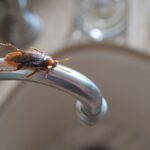
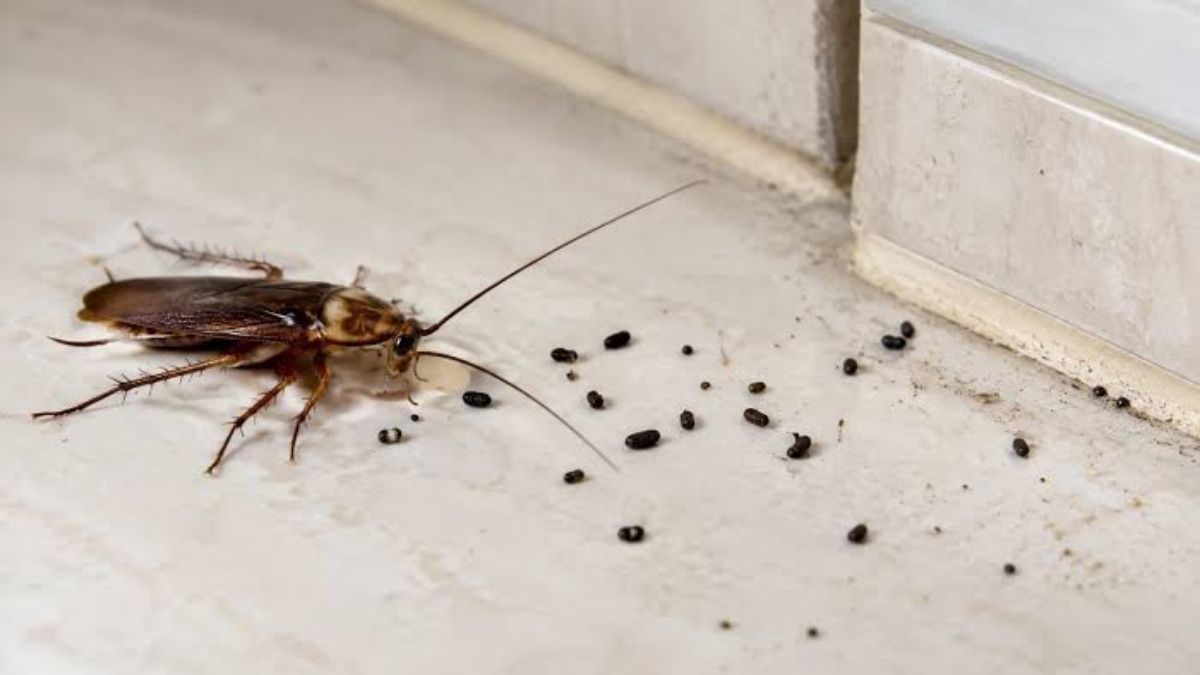
Cockroach droppings usually look like black pepper or used coffee grounds when small species such as the German cockroach left them, and like tiny dark cylinders with blunt, ridged sides when larger species such as the American cockroach did. You will most often find them close to food, water, and the dark gaps where roaches hide during the day. If you are seeing them in your home in the GTA, it is a strong hint that roaches are active nearby, even if you have not spotted a live one yet.
This guide is written for homeowners, tenants, and condo owners in the GTA who have found dark specks somewhere they should not be. It explains how to identify the droppings, how to rule out look-alikes, what the health risks are, how to clean up safely, and when it makes sense to bring in a professional.
What Do Cockroach Droppings Look Like?
Appearance and Characteristics
Size is the first clue, because droppings scale with the insect that left them. A small cockroach produces very fine debris, while a large one produces something closer to a grain of rice. Colour runs from dark brown to black, and fresh droppings tend to look slightly glossy before drying out into a matte, crumbly state.
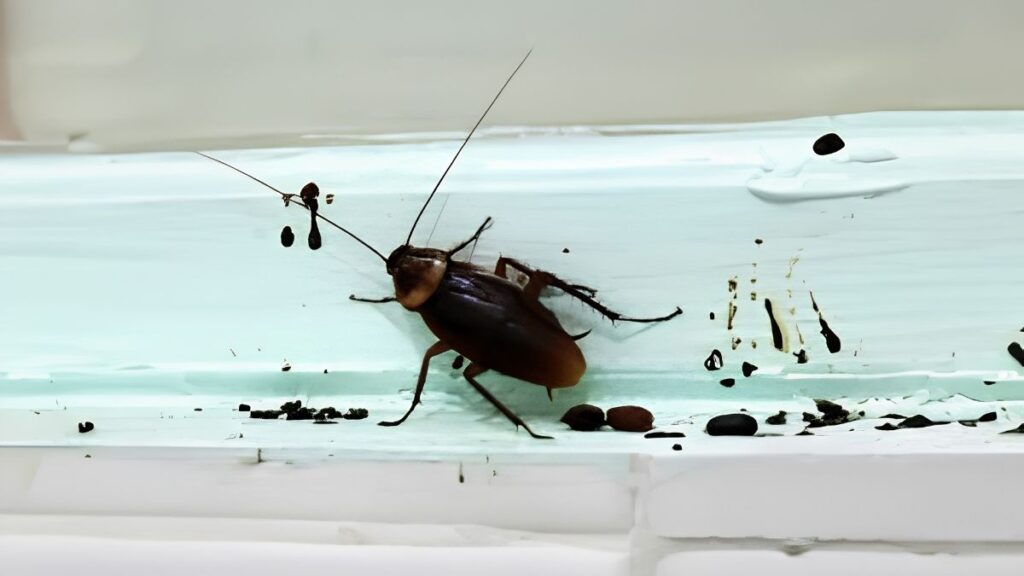
Texture and pattern help too. Droppings from small roaches are often uniform and gritty, and in damp spots they can smear into dark streaks instead of staying as separate specks. Droppings from larger roaches are cylindrical, with blunt ends and faint ridges running down the sides.
Droppings by Cockroach Species
Several species live in Ontario homes, and the German cockroach is the one most commonly found in Canadian buildings. Here is a quick comparison to help you narrow down what you are dealing with.
| Species | What the droppings look like | Where they often turn up |
|---|---|---|
| German cockroach | Tiny specks like ground pepper or coffee grounds, sometimes smeared | Kitchens, bathrooms, near appliances and plumbing |
| American cockroach | Larger dark cylinders with blunt ends and ridges | Basements, drains, boiler rooms, warm utility areas |
| Oriental cockroach | Similar to American, often darker and glossier | Damp, cool spots such as under sinks and basement floors |
| Brown-banded cockroach | Small, dry, pepper-like specks | Higher surfaces such as cabinet tops, shelves, and upper walls |
Treat the table as a guide, not a verdict. Diet, moisture, and the age of the dropping all change the appearance, so look at the pattern across several spots instead of judging a single speck. If you want to match the droppings to the insect itself, our guide to the types of cockroaches in Ontario shows what each species looks like.
Where Cockroach Droppings Usually Turn Up
Cockroaches defecate wherever they feed and rest, so droppings concentrate near their hiding places. Check these spots with a flashlight:
- Behind and under the fridge, stove, dishwasher, and washing machine
- Inside cabinet corners, drawer tracks, and pantry shelves
- Under sinks and around pipe openings
- Along baseboards and in the corners of rooms
- On top of cabinets and door frames, especially for brown-banded roaches
- Around cardboard boxes, stored paper, and pet food areas
A heavier build-up in one place points to a harbourage close by, which is the area where the roaches shelter, breed, and return to each day.
How to Tell Roach Droppings From Other Pests and Look-Alikes
Cockroach Droppings vs. Mouse Droppings
Larger cockroach droppings and mouse droppings can look alike at a glance, and a wrong guess leads to the wrong treatment. The most reliable differences are shape and company:
- Ends: mouse droppings tend to be pointed at one or both ends, while roach droppings are blunt.
- Surface: roach droppings often show faint ridges along the length, and mouse droppings do not.
- Size and contents: mouse droppings are typically a bit larger and may contain short hairs.
- Colour as they age: mouse droppings tend to fade toward grey as they dry, while roach droppings usually stay dark.
If the droppings are tiny, powdery, and peppery, that points away from mice and toward a small roach species. If you find larger pellets, gnaw marks, or greasy rub lines along walls, rodents are more likely.
Other Things Mistaken for Roach Droppings
Spilled pepper, coffee or tea grounds, soil, and pieces of shed insect skin can all pass for droppings. A simple test is to wipe a few specks with a damp paper towel. Roach droppings often leave a brownish smear, while many household look-alikes do not behave the same way.
Look for supporting evidence before you decide. Shed skins, small brown egg cases, smear marks near baseboards, and a musty odour in closed-up areas all strengthen the case. Our guide to cockroach infestation signs and prevention lists these in more detail.
Do Cockroach Droppings Mean You Have an Infestation?
In most cases, yes, at least an active presence. Droppings appear where roaches have been feeding and resting, so even a small amount usually points to activity in that area. Quantity helps you judge the scale. A handful of specks in one cabinet may suggest a small or early problem, while droppings in several rooms, smears on walls, and daytime sightings suggest a larger population.
Cockroaches are active at night, so you can have droppings long before you see a roach. A clean kitchen does not rule them out either. Health Canada notes that cockroach presence does not necessarily mean unclean conditions, since they can arrive on used furniture, grocery bags, or shipping boxes.
Are Cockroach Droppings Harmful to Your Health?
Allergies and Asthma Triggers
The same federal guidance states that people with asthma may react to cockroach droppings and body parts. Particles from droppings, eggs, and shells can cause allergic reactions and may increase asthma symptoms. Fine, dry droppings can become airborne when disturbed, which is one reason vacuuming and sweeping dry debris without precautions is not ideal.
If someone in your home has asthma or allergies, or if symptoms seem to continue year-round, ask a doctor about it and take the droppings seriously. Children and people with existing respiratory conditions may be more sensitive.
Potential for Spreading Germs
Roaches travel through drains, garbage, and damp areas before walking across your counters. The federal guidance also explains that they can contaminate food and spread disease by walking and excreting on food or food preparation areas. This does not mean every dropping makes a person sick, but it is a good reason to clean food surfaces thoroughly and keep food sealed until the problem is under control.
How to Clean Up Cockroach Droppings Safely
Before You Start
Gather disposable gloves, a dust mask (an N95-style mask is a good option), a vacuum with a HEPA filter if you have one, a general-purpose disinfectant or soapy water, paper towels, and sealable garbage bags. Open a window if you can. If you have asthma, consider asking someone else to do the cleanup.
Step-by-Step Cleaning
- Protect yourself. Put on gloves and a mask before you touch or disturb anything.
- Start high and work down. Roaches often travel along the tops of cabinets and appliances, so clear those surfaces first.
- Vacuum dry droppings. Use a hose attachment on shelves, corners, cracks, and the gaps behind appliances. Seal the vacuum contents in a bag and take it outside right away.
- Wash the surfaces. Scrub with warm soapy water, then wipe with a disinfectant, following the label directions. Pay extra attention to counters, cupboard interiors, and anywhere food is handled.
- Dispose of the waste. Bag the paper towels and gloves, seal the bag, and put it in your outdoor garbage.
- Wash your hands. Do this thoroughly, even if you wore gloves.
What Cleaning Will Not Fix
Cleaning removes the evidence and reduces allergens, but it does not remove the roaches. The federal guidance points out that pesticides on their own are unlikely to succeed unless the living environment is changed as well, and the reverse is true too: cleaning alone will not clear an established population. Some pest control sources also suggest that droppings may carry scent cues that attract other roaches, which is one more reason to clean thoroughly. Treat cleanup as one step in a plan, not the whole plan.
How to Prevent Cockroaches From Coming Back
Effective Prevention Strategies
Roaches need food, water, and shelter. Remove any one of the three and the home becomes less welcoming. These habits make the biggest difference:
- Wipe up spills and crumbs the same day, and do not leave dirty dishes overnight.
- Keep dry goods and pet food in sealed plastic or glass containers.
- Take out garbage often and use bins with tight lids.
- Fix leaky taps and pipes, and dry out damp areas such as under sinks.
- Seal cracks, gaps around pipes, and spaces behind baseboards with caulk.
- Cut down on cardboard, paper stacks, and clutter where roaches can hide.
- Check secondhand furniture, appliances, and grocery boxes before bringing them inside.
Why Apartments and Condos Are Harder
Shared walls, plumbing stacks, and garbage rooms give roaches routes between units, so one tidy household may not be able to solve the problem alone. If you live in a multi-unit building, our post on cockroaches in apartments in Toronto explains why they can return after treatment and what coordinated control looks like.
Long-Term Control
Durable control usually combines sanitation, exclusion (sealing entry points), monitoring with sticky traps, and targeted treatment such as baiting. Traps are useful for finding where activity is highest. Retail sprays can scatter roaches into new areas without reaching the hidden population, so product choice and placement matter. If you do use a pesticide yourself, check the label for a Pest Control Products (PCP) number, which shows the product is approved for use in Canada, and follow every direction on it.
When to Call a Professional Pest Control Company in the GTA
Consider calling a professional if you find droppings in more than one room, see roaches during the day, notice smears or egg cases, or have already tried store-bought products without lasting results. Fast action matters because roaches reproduce quickly, and a small problem can spread through walls and shared plumbing.
A licensed technician can confirm the species, locate the harbourage, and build a treatment plan around your space. Invaders Canada offers cockroach control for homes and businesses across the GTA, including Toronto and surrounding areas. If you rent, report the problem to your landlord or property manager in writing, since treating one unit while neighbouring units stay untreated may not hold up over time.
Bottom Line
Cockroach droppings are a practical early warning. Small roaches leave pepper-like specks, larger ones leave ridged, blunt-ended pellets, and both tend to collect near food, moisture, and hiding spots. Confirm what you have, clean up with gloves and a mask, tighten up food and moisture sources, and do not wait too long if droppings keep reappearing. Cleaning deals with the mess, but only a plan that also tackles the roaches will deal with the cause.
FAQs
How long do cockroach droppings stay visible after treatment?
They stay until someone removes them. Treatment targets live roaches, not the debris already left behind, so plan to vacuum and wash affected areas yourself. New, fresh-looking droppings after treatment can suggest roaches are still active, so note where and when they appear and tell your technician.
Can cockroach droppings make you sick?
They can contribute to health problems. Droppings may trigger allergy and asthma symptoms in sensitive people, and roaches can carry germs onto food and surfaces. Cleaning with gloves and a mask, and keeping food sealed, lowers the risk.
Do cockroach droppings have a smell?
The droppings themselves are small and often have little scent, but a larger infestation can produce a musty or oily odour in closed spaces such as cupboards, behind appliances, and in basements. A persistent smell together with droppings is worth investigating.
What do cockroach droppings look like in a Toronto apartment or condo?
Most often, tiny pepper-like specks and dark smears in kitchens and bathrooms, because the German cockroach is the species most commonly found in Canadian buildings. Look behind the stove and fridge, inside cabinet corners, and around plumbing. Shared walls and pipes mean droppings in your unit may be linked to activity next door.
Should I call my landlord or an exterminator if I find droppings in the GTA?
If you rent, tell your landlord or property manager in writing first and keep photos and dates, since building-wide treatment is often needed. If you own your home or the problem is not being addressed, a licensed pest control company can inspect, identify the species, and recommend a treatment plan.