Pests move between apartments mainly through five structural routes: shared walls, plumbing chases, electrical and utility penetrations, and common areas like hallways, garbage rooms, and laundry rooms. Deliveries and moving also carry pests like bed bugs directly into a unit. Different pests favour different routes, which is why a mouse problem and a bed bug problem in the same building rarely behave the same way.
If you live in a condo or apartment building in Toronto or anywhere else in the GTA, this matters more than it would in a detached house. A single-family home is a closed box. A multi-unit building is a network of connected cavities, and pests are very good at finding the gaps between them.
Why Multi-Unit Buildings Spread Pests Differently Than Houses
In a house, an infestation usually has one entry point and one place to hide. In an apartment building, the same wall that separates your unit from your neighbour’s is often a shared cavity, not two solid barriers. Pipes, wires, and vents run continuously from floor to floor. Hallways and shared rooms connect dozens of units to the same food and moisture sources.
That structure means the unit where you first see a pest is not always the unit where the problem started. A clean, well-kept apartment can still end up with activity if the building around it isn’t being managed as a whole. Building age plays a role too. Older Toronto and properties in the GTA often have more settling, more gaps around utility penetrations, and fire-stopping that has degraded or was never installed to current standards, all of which widen the routes pests can use to move between suites.
Shared Walls and Floor-Ceiling Assemblies
Cockroaches, ants, and mice can all move through the gap between drywall and the structural framing behind it. These voids often run uninterrupted from one unit into the next, especially in older buildings where fire-stopping and insulation have gaps or have degraded over time.
Once a pest establishes itself in a wall void, it has shelter, warmth, and a route to multiple units without ever crossing open floor space. This is one reason a cockroach sighting in a kitchen sometimes traces back to activity a few units away.
Plumbing Chases Create Hidden Highways
Plumbing chases, the vertical channels that carry pipes from a mechanical room up through every floor, are one of the most reliable pathways for pests in a multi-unit building. They’re warm, they’re often humid from condensation or minor leaks, and they typically run through several units at once with only small gaps sealed around the pipe penetrations.
German cockroaches in particular favour this route because it combines moisture, warmth, and darkness in one continuous space. A poorly sealed pipe penetration under a kitchen sink can be all the access a colony needs to expand into the unit above or below.
Getting ahead of this usually means professional cockroach control that includes sealing the penetration itself, not just treating what’s visible in the kitchen.
Electrical and Utility Penetrations
Outlets, light fixtures, and the holes drilled for electrical conduit and cable runs are smaller than plumbing gaps, but they add up. Mice need an opening only about the width of a pencil to squeeze through, and the space around an electrical penetration between floors is frequently left unsealed once construction wiring is complete.
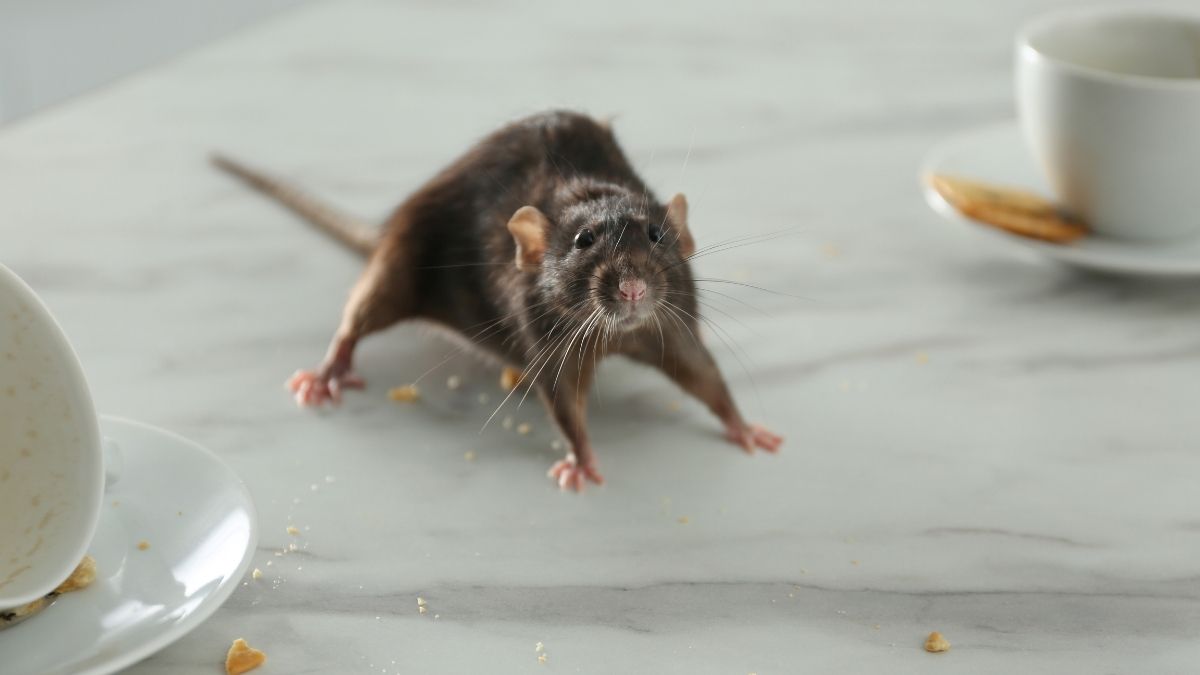
Mice and rats use these gaps along with other utility chases to move between units without being seen in hallways or common areas at all. A resident might never spot a rodent outside their own walls and still be dealing with an active rodent population that started somewhere else in the building.
Hallways and Other Common Areas
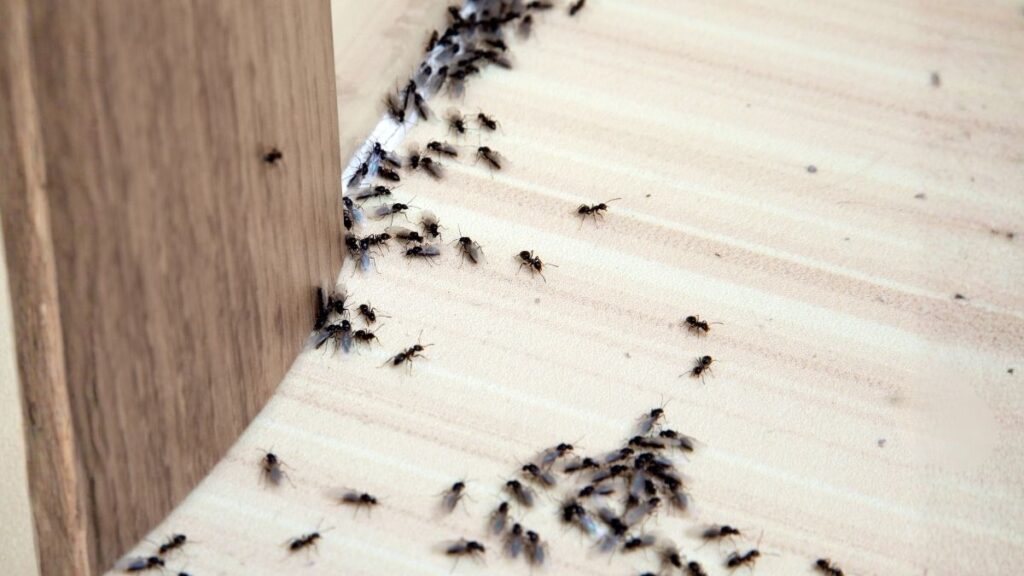
Hallways, stairwells, and elevator lobbies aren’t just walkways. Crumbs, spilled drinks, and general foot traffic make them attractive to ants and cockroaches, and they connect every unit on a floor to the same open space. A pest doesn’t need a wall void to reach a neighbouring apartment if the front door is left open even briefly, or if a gap exists under the door itself.
Older buildings with worn weatherstripping or gaps under suite entry doors are especially prone to this kind of movement, particularly for ants foraging along baseboards and cockroaches active at night when hallways are quiet.
Garbage and Recycling Rooms
Shared garbage and recycling rooms are a food source for an entire building, not just the units nearest to them. Cockroaches and mice are both drawn to these areas, and once a population is established there, individual units near the chute or the ground-floor garbage room tend to see the most activity first.
A garbage room that isn’t cleaned or serviced regularly can effectively act as a breeding source that keeps reintroducing pests to nearby units even after those units have been treated individually. Sealing entry points and removing accessible food and moisture sources are core prevention steps for cockroaches and rodents alike, according to Health Canada’s guidance on common household pests, and they apply just as much to a shared garbage room as they do inside an individual unit.
Shared Laundry Rooms
Laundry rooms bring residents from across the building into one warm, sometimes damp space on a regular basis. Bed bugs are the pest most associated with this route. They can be carried in on clothing or in a laundry basket, dropped near a machine, and picked up by the next person who uses that space, without either resident ever visiting the other’s unit.
Cockroaches can also use laundry room plumbing and wall penetrations the same way they use kitchen and bathroom plumbing chases elsewhere in the building.
Deliveries, Moving Boxes, and Secondhand Furniture
Not every pathway is structural.
Bed bugs in particular don’t need a gap in a wall to reach a new apartment. They travel in cardboard boxes, in used furniture brought in from outside, and in luggage after travel. In a busy apartment building with frequent moves, package deliveries, and turnover between tenants, this creates a steady stream of opportunities for bed bugs to arrive from outside the building entirely, independent of anything happening in neighbouring units.
This is why a bed bug infestation can appear in a unit with no direct wall, floor, or ceiling contact with any other known problem area. The introduction point was a box or a piece of furniture, not the building’s structure.
How the Pathway Changes by Pest
| Pest | Primary pathway | Secondary pathway |
|---|---|---|
| Cockroaches | Plumbing chases and wall voids | Electrical penetrations, garbage rooms |
| Bed bugs | Belongings, deliveries, and furniture moved between units | Shared laundry rooms, adjoining wall voids |
| Mice | Utility gaps and shared structural spaces | Garbage rooms, hallway thresholds |
| Ants | Wall and floor voids | Hallways and common-area foraging trails |
Why Treating Only the Visible Unit May Not Address the Source
Because so many of these pathways connect more than two units, treating the apartment where a pest was actually seen sometimes clears the symptom without addressing where the population is coming from. This is especially common with cockroaches and mice, both of which can maintain a larger population somewhere central, like a garbage room, a mechanical space, or a heavily infested unit, while smaller numbers keep spreading outward to units that get treated repeatedly without lasting results.
In Ontario, landlords are generally responsible for keeping a rental property in a good state of repair, which includes addressing pest issues that affect habitability, and this responsibility isn’t limited to the single unit that filed a complaint. A coordinated inspection of adjoining units, shared mechanical spaces, and common areas is usually necessary before a treatment plan can be expected to hold, according to guidance from Ontario’s Landlord and Tenant Board.
What To Do If Pests Seem to Be Coming From Elsewhere in the Building
If you’re seeing pest activity in a unit that seems otherwise clean, a few steps help narrow down where the problem is actually coming from:
Report the issue to your landlord or property manager promptly rather than treating it as a one-off. Ask whether other units on your floor, or directly above and below you, have reported anything similar. Note where in the unit you’re seeing activity, since pests entering through a specific wall or under a specific pipe tends to point investigators toward the shared space causing it. Keep a simple log of when and where you see activity. A pattern of sightings clustered near a shared wall, a bathroom plumbing wall, or a hallway-facing door gives a technician a clearer starting point.
For property managers and building owners, this usually means moving beyond spot treatments toward a building-wide approach that inspects adjoining units and shared infrastructure at the same time. Commercial pest control programs built for multi-unit properties are designed around exactly this kind of coordinated inspection, rather than treating each complaint in isolation.
Bottom Line
Pests spreading between apartments isn’t usually a sign that one tenant is doing something wrong. It’s a structural reality of how multi-unit buildings are put together, with shared walls, plumbing, utility gaps, and common areas all offering routes that a detached house simply doesn’t have. Recognizing which pathway applies to which pest is the first step toward a treatment plan that actually holds, whether that’s sealing a plumbing chase for cockroaches, closing utility gaps for mice, or coordinating a bed bug response across a laundry room and its neighbouring units.
Anyone dealing with recurring activity in Toronto or elsewhere in the GTA is usually better served by a building-wide inspection than by repeat treatments of a single unit.
FAQs
Why do I have pests in my apartment if I keep it clean?
Cleanliness reduces what attracts pests to your specific unit, but it doesn’t block the shared walls, plumbing chases, and utility gaps that connect your apartment to neighbouring units. A population can be established elsewhere in the building and still reach a clean unit through these routes.
Can pests really travel through walls between apartments?
Yes. Cockroaches, mice, and ants can all move through the cavity behind drywall, especially where fire-stopping around pipe or wire penetrations has gaps. This is one of the most common pathways in older buildings in the GTA.
Should my whole floor be inspected if I report a pest problem?
Not always, but for cockroaches and mice it’s often necessary. Because these pests can maintain a population in a shared space or a neighbouring unit, inspecting adjoining units and common areas at the same time as your own apartment tends to produce more lasting results than treating one unit alone.
Who is responsible for pest control in a rented apartment in Toronto?
In Ontario, landlords are generally responsible for maintaining rental properties in a good state of repair, which includes addressing pest infestations that affect habitability. Tenants are expected to report issues promptly and cooperate with treatment access.
Do bed bugs spread the same way as cockroaches or mice?
Not usually. Bed bugs are more often carried in through belongings, deliveries, or secondhand furniture than through structural gaps, though they can also move through wall voids and shared laundry rooms once established in a building.