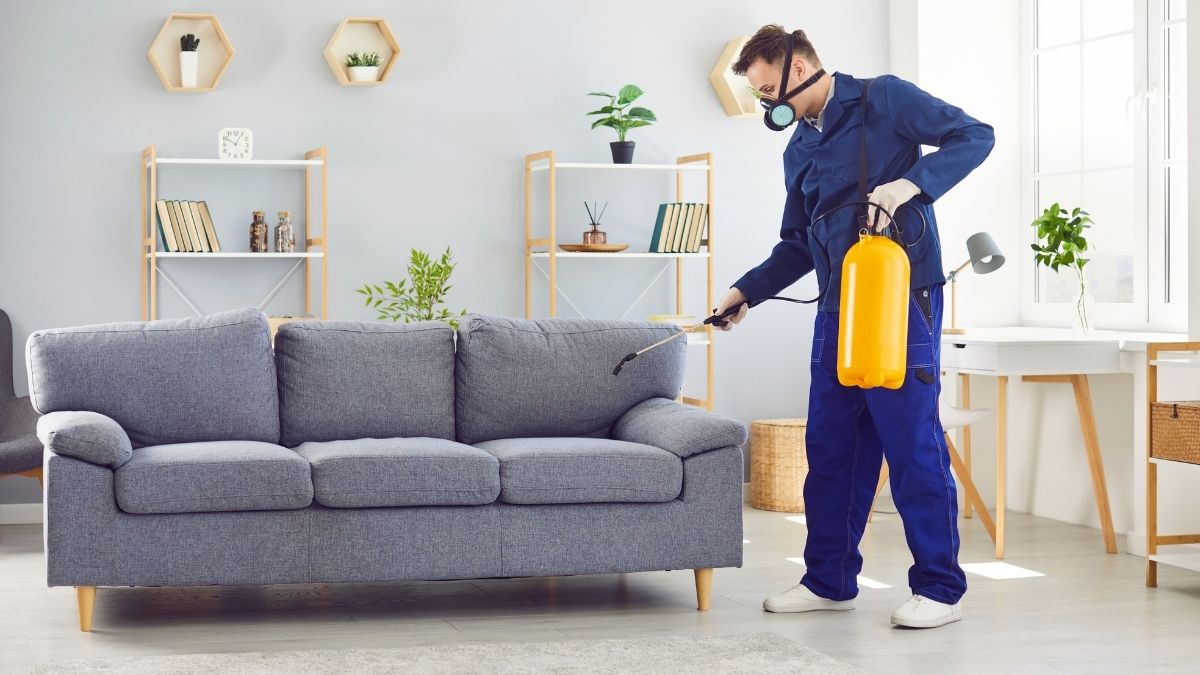
If you’ve got a pest control appointment coming up, here’s what you need to do: clear access to walls, cabinets, and baseboards, store or bag up food and dishes, take care of pets and kids’ items, and tell your technician about any specific pest so they can flag extra steps. A prepared home lets the technician treat every hiding spot on the first visit instead of working around clutter, and that usually means fewer follow-up appointments.
This checklist covers the general prep that applies to almost every pest control visit in the GTA, plus the extra steps for cockroaches, bed bugs, rodents, ants, and wasps, and what to do once the technician leaves.
General Checklist Before the Technician Arrives
Most pest control companies in the GTA, including Invaders Canada, ask for a version of the same baseline prep no matter which pest brought you to call in the first place.
Clear access to baseboards, cabinets, and corners
Pests hide in the gaps most people never look at: behind appliances, inside cabinet corners, along baseboards, and in closet floors. Move light furniture a few inches from the walls, empty under-sink cabinets, and pick up anything sitting on the floor in the rooms that need treatment. Technicians can’t treat a spot they can’t reach.
Store food properly
Pack open food into sealed containers or the fridge, and close up pantry items that aren’t already in a jar or bag. This isn’t just about tidiness. Open food near a treatment area can pick up residue, and it’s also one of the main things drawing pests in to begin with.
Wash and put away dishes
Dirty dishes in the sink or on the counter are a magnet for cockroaches and ants, and they can also block access to the exact areas a technician needs to treat. Run a load before your appointment if you can, and clear counters completely.
Take out the garbage
Garbage and recycling bins, especially anything with food residue, should go out before the technician arrives. This applies to kitchen bins as well as any bins sitting near doors or in garages.
Handle pet items
Move pet food, water bowls, litter boxes, and bedding out of the rooms being treated, or cover them if they can’t be moved. Ask your technician ahead of time whether your pet needs to be out of the home during treatment. Fish tanks usually don’t need to be removed, but the filtration and aeration system typically needs to be turned off and the tank covered until it’s safe to switch back on.
Set aside children’s items
Toys, blankets, and anything a young child might put in their mouth should be picked up off floors and out of cribs before treatment. If your technician is treating a nursery or playroom, ask what re-entry time they recommend for that specific room.
Give furniture room to move
For a full treatment, technicians sometimes need to shift couches, beds, or dressers to reach baseboards and wall voids. Clearing a path and removing anything fragile from nearby surfaces makes this faster and reduces the chance of anything getting knocked over.
| Pest | Extra step beyond the general checklist |
|---|---|
| Cockroaches | Clear all shelves and floors inside kitchen and bathroom cabinets |
| Bed bugs | Launder and bag bedding and clothing on high heat, don’t move items to other rooms |
| Rodents | Point out gnaw marks, droppings, or entry gaps you’ve noticed around the home |
| Ants | Wipe up spills and food residue along the trail you’ve been seeing |
| Wasps | Keep kids and pets away from the nest area until the technician arrives |
Prep by Pest Type
The general checklist covers most of it, but a few pests call for extra steps.
Cockroach preparation
Along with the general checklist, clear every shelf and floor inside kitchen and bathroom cabinets, since these are the spots where German and American cockroaches tend to breed. Pull small appliances away from the wall and off the counter where possible, and vacuum up crumbs in corners that don’t usually get swept.
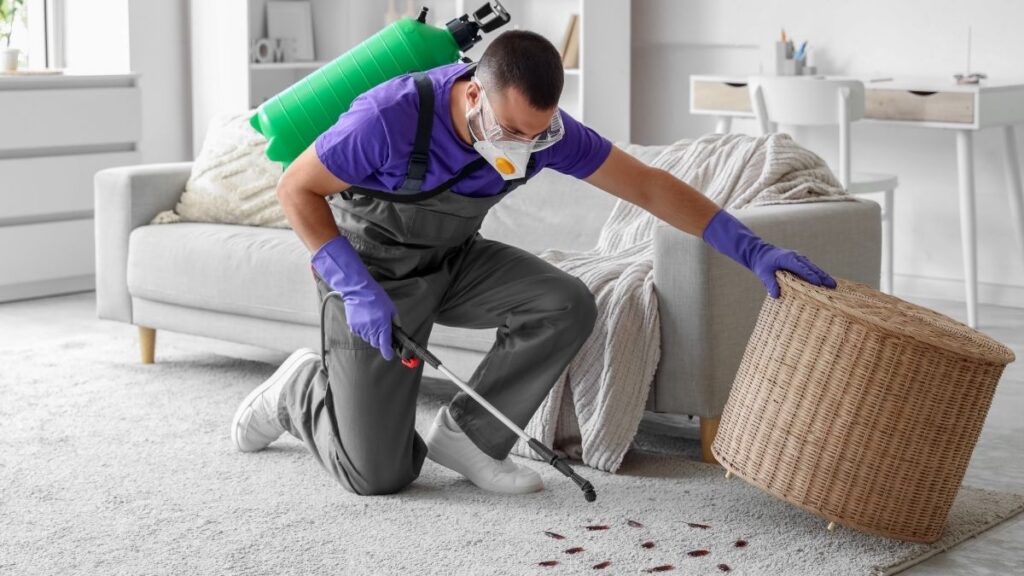
A licensed cockroach control visit works best when the technician can see and reach the harbourage areas directly, not just the spots where you’ve seen roaches at night.
Bed bug preparation
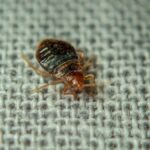
Bed bug prep is more involved than most other pests because the goal is to stop bugs from spreading to untreated rooms while you get ready. Wash and dry bedding, clothing, and any washable fabric from the affected room on the hottest setting the material allows, then seal the clean items in bags until treatment is done. Vacuum mattress seams and baseboards, and resist the urge to move boxes or furniture out of the room, since that’s one of the most common ways bed bugs end up in a room that wasn’t infested before.
If you’re booking bed bug control for an apartment or shared building, let your technician know if neighbouring units have also reported activity, since bed bugs travel through shared walls and outlets.
Rodent inspection preparation
For mice or rats, the most useful thing you can do is point out where you’ve actually seen activity: droppings, gnaw marks, greasy rub marks along baseboards, or gaps around pipes and vents. Clear access to those areas and to garages, basements, and utility rooms where entry points are usually found.
A rodent control technician will also want to check attics and crawlspaces, so clearing a path to any access points ahead of time saves time on inspection day.
Ant treatment preparation
Ants are usually more straightforward. Wipe down countertops, clean up spills right away, and store food in sealed, ant-proof containers rather than resealable bags alone. If you’ve noticed a trail, don’t clean it with a strong-smelling cleaner right before the appointment. That trail helps the technician trace the colony back to its entry point.
Wasp service preparation
For wasp or hornet nests, the main prep is staying clear of the area rather than doing hands-on work yourself. Keep kids and pets away from the nest, avoid disturbing it in the days leading up to the appointment, and let the technician know exactly where you’ve seen activity, including any nests in eaves, sheds, or underground.
What to Expect After Treatment
Preparation doesn’t end when the technician packs up. A few things happen in the days after a visit that are worth planning for.
Follow technician instructions on re-entry
Your technician will tell you how long to stay out of treated rooms, and this varies by product and pest. As a general rule, Health Canada recommends staying out of a treated area for at least 12 hours unless the product label specifies otherwise, and longer if anyone in the home is pregnant, nursing, or has a respiratory condition. Health Canada’s guidance on pesticide safety covers these precautions in more detail if you want the full picture before treatment day.
Cleaning treated areas the right way
Don’t wipe down baseboards, cabinet edges, or corners right after treatment, since this can remove the product before it’s had a chance to work. Ask your technician which surfaces are safe to clean immediately, such as countertops that had food removed beforehand, and which ones need to be left alone for a few days. If you ever need to store or dispose of leftover product yourself, Health Canada’s page on using pesticides safely has guidance on safe storage and what to do in the case of accidental exposure.
Monitoring for remaining activity
A short window of increased activity right after treatment doesn’t necessarily mean it failed. Pests disturbed by a treatment sometimes move around more before they die off. Keep an eye on the treated areas over the following one to two weeks and note anything you see, since this helps a technician judge whether a follow-up visit is needed.
Booking a follow-up if needed
Most pest issues, especially cockroaches, bed bugs, and rodents, need more than one visit to fully resolve, particularly if the infestation was established before you called. If you’re still seeing activity two weeks after treatment, contact us rather than waiting it out.
You can also see our full range of pest control services if you’re not sure which service fits what you’re dealing with.
FAQs
How far in advance should I start preparing my home for pest control?
A day or two of lead time is usually enough for general prep like clearing counters and doing dishes. Bed bug preparation takes longer because of the laundry involved, so start that as soon as your appointment is booked rather than the night before.
Do I need to leave my home during pest control treatment?
Not always. Many treatments in the GTA are spot or gel-based and don’t require leaving the home, but broader treatments involving sprays may call for staying out for a period your technician will specify. If anyone in your household is pregnant, has young children, or has a respiratory condition, ask about vacating during and shortly after treatment even if it isn’t strictly required.
How do I prepare an apartment or condo for pest control in Toronto?
The same general checklist applies, but pay extra attention to shared walls, outlets, and plumbing chases, since pests like bed bugs and cockroaches can move between units in multi-unit buildings. If you’re in a building with a known pest issue on another floor, mention that when booking so your technician can check nearby entry points.
How soon can I clean the areas that were treated?
This depends on the product used, but a common minimum is 12 hours before re-entering a treated room, and treated surfaces like baseboards and cracks are often left untouched for several days so the product keeps working. Your technician will give you specific timing for your treatment rather than a one-size-fits-all number, since Ontario doesn’t set a single fixed re-entry period across all products.
Is professional pest control safe for kids and pets once the home is prepared?
Yes, when the technician follows the product label and you follow the re-entry timing they give you. Products used by licensed technicians in Ontario are registered with Health Canada specifically for the type of pest and setting they’re applied in, and re-entry times exist precisely to keep the exposure risk low for children and pets once you’re back in the treated space.