Summary
“The most common signs of a pest infestation include droppings, scratching noises, unusual odors, nests, damaged food packaging, gnaw marks, insect wings, grease marks, and structural damage. You may also notice pests during the daytime or find them repeatedly in kitchens, basements, attics, bathrooms, and wall gaps. Early identification is important because pests can contaminate food, damage property, and multiply behind walls or in other hidden areas.”
Pest infestations often begin quietly. The signs of pest infestation are right there, but it becomes difficult for a normal homeowner to detect them so early. A mouse may enter through a small foundation gap, cockroaches may hide behind an appliance, or wasps may build a nest inside a wall void.
By the time pests become clearly visible, they may already have established a nesting or breeding site inside the property. Homes across the GTA can experience pest activity throughout the year. Recognizing the early signs of pests can help homeowners act before the infestation becomes more difficult to manage.
Common Pest Infestation Signs at a Glance
The type and location of evidence can offer clues about which pest may be present.
| Sign | Possible pest | Common locations |
|---|---|---|
| Small dark droppings | Mice, rats or cockroaches | Cabinets, pantries, basements and under appliances |
| Scratching or movement noises | Mice, rats, squirrels or raccoons | Walls, ceilings, attics and roof spaces |
| Wood damage or mud tubes | Termites or carpenter ants | Basements, window frames and structural wood |
| Shed skins or egg cases | Cockroaches, bed bugs or carpet beetles | Bedrooms, closets, kitchens and storage areas |
| Gnawed packaging or wiring | Mice or rats | Pantries, garages, utility rooms and basements |
| Strong or musty odors | Rodents, cockroaches or wildlife | Wall voids, crawl spaces and enclosed cabinets |
| Visible nests | Wasps, rodents, birds or wildlife | Eaves, attics, garages and outdoor structures |
| Grease or rub marks | Mice or rats | Along walls, pipes and frequently used pathways |
| Small blood or dark spots | Bed bugs | Mattresses, bed frames and upholstered furniture |
| Damaged plants or disturbed soil | Ants, grubs or other insects | Lawns, gardens and around foundations |
Most Usual Signs of Pests
1. Pest Droppings Around the Home
Droppings are among the most recognizable signs of pest infestation. They are commonly found near food, water, nesting materials, and frequently used travel routes.
Mouse droppings are usually small, dark, and shaped somewhat like grains of rice. Rat droppings are generally larger and thicker. Cockroach droppings may resemble black pepper, coffee grounds, or small dark smears, depending on the species and its size.
Look for droppings in:
- Kitchen drawers and cabinets.
- Pantries and food-storage areas.
- Under sinks and appliances.
- Basements and crawl spaces.
- Attics and garages.
- Along walls and baseboards.
- Near pet-food containers.
- Utility and furnace rooms.
A few droppings should not automatically be dismissed as an old problem. Fresh droppings may look dark and moist, while older material becomes dry and faded. However, pest waste can contain contaminants, so avoid touching or sweeping it without suitable protection.
Do not rely only on the number of droppings to estimate the infestation. A small rodent population can leave considerable evidence, while cockroaches may remain hidden even when only a few droppings are visible.
2. Scratching, Squeaking or Movement Noises
Unexplained noises inside walls or ceilings are common pest problem signs. Rodents and wildlife are often more active when the home is quiet, making sounds easier to notice at night.
Listen for:
- Scratching behind drywall.
- Scurrying across ceilings.
- Squeaking inside walls.
- Gnawing sounds near cabinets.
- Fluttering or movement in vents.
- Heavy footsteps in the attic.
- Repeated sounds around the roofline.
Light, rapid noises may indicate mice. Louder movement can be caused by rats, squirrels, raccoons, or other wildlife. The time of day also provides a clue. Mice and rats are commonly active after dark, while squirrels are more likely to move around during daylight hours.
Sounds do not reveal the full extent of the problem. The pest may be travelling through one area while nesting somewhere else. An inspection should cover entry points, nesting locations, food sources, and damaged materials rather than focusing only on where the sound was heard.
3. Nests and Nesting Materials
Pests need secure places to breed, rest, and raise their young. Finding a nest is strong evidence that the problem has progressed beyond a single pest entering accidentally.
Rodent nests are often made from shredded paper, insulation, fabric, cardboard, and other soft materials. They may be hidden behind appliances, inside storage boxes, under cabinets, or within wall and ceiling voids.
Wasps may build visible paper-like nests under eaves, decks, sheds, or branches. Some species use gaps in siding, roof edges, or brickwork to establish hidden nests. Ant nests may be found in soil, under paving stones, inside decaying wood, or within moisture-damaged parts of a house.
Common nesting locations include:
- Attics and roof spaces.
- Wall voids.
- Basements.
- Garages and sheds.
- Behind large appliances.
- Inside stored furniture.
- Under decks and porches.
- Around soffits and eaves.
- Near damaged or damp wood.
Avoid disturbing an active nest. Wasps may defend their colony, rodents may move farther into the structure, and contaminated nesting material may expose occupants to harmful particles.
4. Gnaw Marks and Damaged Packaging
Rodents have teeth that continue to grow, so they regularly gnaw on materials to keep them worn down. Fresh gnaw marks on food packaging, wood, plastic, wiring, or stored belongings are important signs of pests.
Check for damage on:
- Cereal boxes and food bags.
- Pet-food packaging.
- Plastic containers.
- Wooden cabinets.
- Door and window frames.
- Electrical cables.
- Insulation.
- Cardboard storage boxes.
- Flexible plumbing materials.
Damaged electrical wiring deserves immediate attention because it may increase the risk of shorts, equipment failure, or fire. Gnawed food packaging should also be discarded because the contents may have been contaminated.
Small holes in bags and boxes are sometimes missed, especially in cluttered pantries. If food appears scattered or packaging has rough, chewed edges, inspect the surrounding shelves for droppings, nesting material, and grease marks.
5. Structural and Surface Damage
Some infestations cause gradual property damage that can be mistaken for ordinary wear. Carpenter ants, termites, rodents, and certain beetles can affect wood, insulation, walls, and other building materials.
Possible signs include:
- Hollow-sounding wood.
- Small holes in wooden surfaces.
- Fine wood debris or frass.
- Peeling or bubbling paint.
- Weakened window frames.
- Damaged insulation.
- Crumbling or soft timber.
- Mud-like tubes along foundations.
- Unexplained cracks or gaps.
Carpenter ants excavate wood to create galleries but do not eat it. Their activity is often associated with moisture-damaged timber. Termites consume cellulose and may cause damage inside wood while leaving the outer surface relatively intact.
Wood damage should be assessed carefully because the visible area may represent only a small part of the affected structure. Moisture problems must also be addressed, as damp conditions can attract pests and allow damage to continue.
6. Unusual or Persistent Odours
Strange odours can be one of the less obvious signs of pest infestation. The smell may come from droppings, urine, nesting material, grease secretions, decaying organic matter, or a dead pest inside an inaccessible area.
Rodent activity may create a stale, musky, or ammonia-like smell. Cockroach infestations can produce an oily or musty odour, particularly when the population is large. A dead rodent inside a wall may cause a strong smell that appears suddenly and remains concentrated in one area.
Pay attention to odors that:
- Return after cleaning.
- Are stronger near cabinets or walls.
- Increase around vents.
- Come from the attic or basement.
- Are concentrated under an appliance.
- Have no clear plumbing or moisture-related cause.
Air fresheners may temporarily hide the smell but will not remove its source. If the odor is connected to an infestation, the pest activity and any contaminated material must be addressed.
7. Grease Marks and Regular Travel Routes
Mice and rats often follow the same routes between their nests and food sources. As their bodies repeatedly brush against walls, pipes, and baseboards, they can leave dark grease or rub marks.
These marks may appear along:
- Baseboards.
- Wall edges.
- Exposed pipes.
- Foundation ledges.
- Cabinet corners.
- Basement beams.
- Openings around utilities.
Footprints and tail marks may also be visible in dusty areas. If you suspect rodent activity, look along the perimeter of rooms rather than only in open floor areas. Rodents usually prefer travelling close to walls, where they feel protected.
Dark marks alone are not enough to confirm activity because dirt and moisture can create similar staining. Look for supporting evidence such as droppings, gnaw marks, noises, or a nearby opening.
8. Shed Skins, Wings and Egg Cases
Many insects leave physical traces as they grow, reproduce, or establish colonies. These traces may be easier to find than the insects themselves.
Cockroaches shed skins during development and leave egg cases in sheltered locations. Bed bugs leave pale shed skins near mattresses, bed frames, upholstered furniture, and cracks. Ants or termites may leave discarded wings near windows, doors, lights, and basement areas following a swarm.
Watch for:
- Translucent insect skins.
- Brown capsule-like egg cases.
- Piles of detached wings.
- Small dark bed bug spots.
- Tiny eggs in cracks or fabric seams.
- Insect fragments inside cabinets.
Discarded wings near a window may look like dead flying ants, but repeated findings could indicate a colony inside or close to the property. The insects or evidence should be identified before treatment because ant and termite control require different approaches.
9. Live or Dead Pests
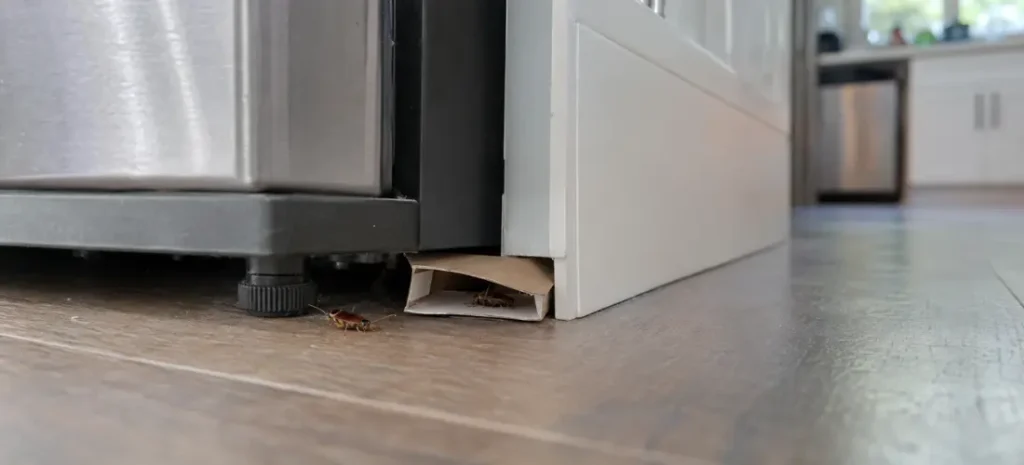
Seeing one pest does not always mean there is a major infestation. However, repeated sightings, multiple dead insects, or pests appearing in daylight can indicate a larger hidden population.
Cockroaches normally avoid open, well-lit areas. Daytime sightings may occur when hiding spaces become overcrowded or food and water are limited. Mice seen frequently in occupied rooms may also indicate established activity nearby.
Take note of:
- The pest’s appearance.
- Where it was found.
- The time of the sighting.
- Whether it was alive or dead.
- How often sightings occur.
- Any nearby cracks, drains, or food sources.
Photographs can help with identification. Avoid relying only on colour or size because juvenile insects may look different from adults.
10. Unexplained Bites or Skin Reactions
Itchy marks noticed after sleeping can be associated with bed bugs, fleas, mosquitoes, or other biting pests. However, skin reactions alone cannot confirm which pest is responsible.
Bed bug signs can include:
- Dark spots on sheets or mattresses.
- Small blood marks on bedding.
- Shed skins near bed-frame joints.
- Live insects in mattress seams.
- A sweet or musty odor in severe cases.
Fleas are often associated with pets but can also remain in carpets, furniture, and floor gaps. Pets may scratch excessively or develop irritated skin.
Because bites can resemble allergic reactions and other skin conditions, inspect the sleeping area and seek medical advice if symptoms are serious, persistent, or unexplained.
Why do GTA Homes Experience Pest Problems?
GTA properties face changing pest pressures across all four seasons. Cold weather can drive mice, rats, cockroaches, and wildlife toward warm structures. Spring and summer bring increased ant, wasp, fly, and mosquito activity. Older homes may contain foundation gaps, aging vents, and deteriorated materials, while new construction can disturb nearby nests and burrows.
High-density housing creates additional challenges because pests can move through shared walls, plumbing lines, hallways, storage areas, and garbage rooms. In these settings, treating one unit without addressing surrounding activity may provide only temporary relief.
Food availability, standing water, clutter, damaged screens, and unsealed openings can make almost any home more attractive to pests.
Where to Inspect for Signs of Pests?
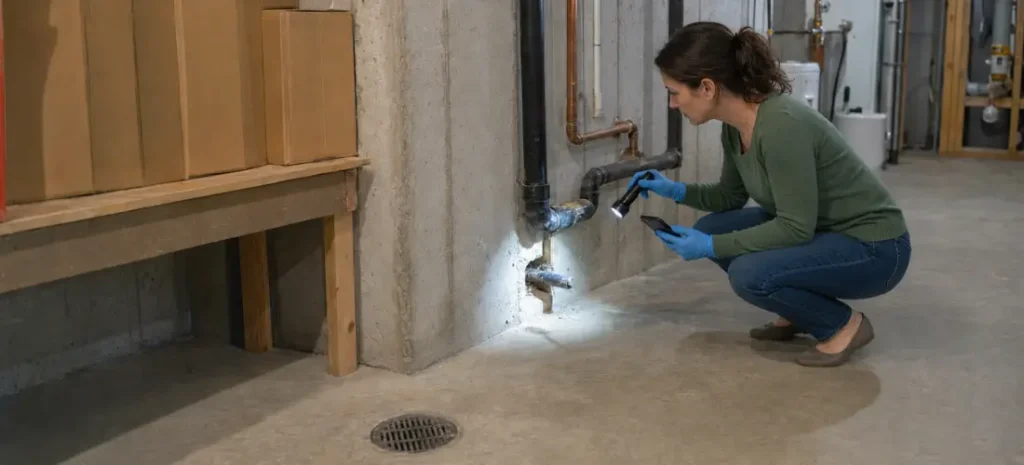
A basic inspection should cover areas that provide food, moisture, warmth, or shelter.
Focus on:
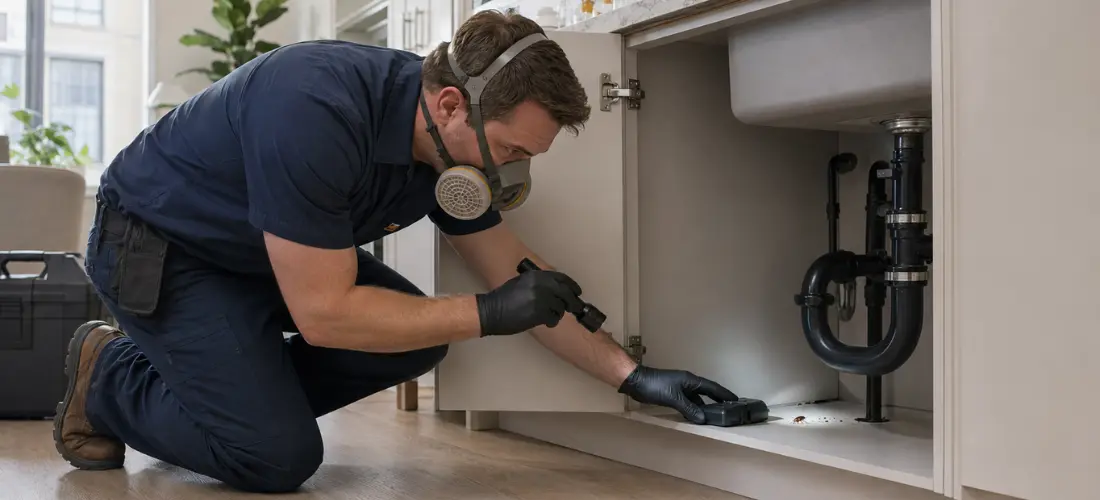
- Under refrigerators, stoves, and dishwashers.
- Inside lower kitchen cabinets.
- Behind stored boxes.
- Around plumbing penetrations.
- Along basement foundations.
- Near floor drains and sump pumps.
- Inside attics and garages.
- Around doors, windows, vents, and utility lines.
- Beneath decks and porches.
- Along roof edges, soffits, and eaves.
Use a flashlight and avoid reaching blindly into dark openings. Do not disturb nests, exposed wiring, contaminated insulation, or potentially dangerous wildlife.
What to Do If You Notice Pest Problem Signs?
Start by recording what you found and where you found it. Photographs, dates, and descriptions can help determine whether activity is increasing.
Remove accessible food, place pantry products in sealed containers, repair leaks, reduce clutter, and close obvious entry points where safe. However, avoid sealing an opening if an animal may still be trapped inside. This can force it into another part of the home or leave it unable to escape.
Store-bought traps and treatments may help with limited activity, but incorrect placement or product use can allow the infestation to continue. Spraying visible insects may kill only the pests you see while leaving the nest or breeding population untouched.
Professional general pest control should be considered when:
- Signs continue after cleaning and prevention.
- Droppings repeatedly return.
- Pests are inside walls or ceilings.
- Structural damage is present.
- An active wasp nest is near occupied areas.
- Wildlife has entered the attic.
- Bed bugs or cockroaches are suspected.
- The pest cannot be confidently identified.
Early intervention is usually simpler than dealing with a widespread infestation.
Invaders Canada provides reliable pest control services throughout the GTA for homeowners and property owners.
Whether you have noticed recurring signs of a pest infestation or want to prevent future problems, our team is ready to help. Contact us today for more information and a free quote.
Conclusion
To conclude, the most reliable signs of a pest infestation are usually a combination of evidence rather than a single clue. Droppings, noises, nests, damage, odours, grease marks, shed skins, and repeated sightings can all indicate activity inside or around a GTA home. Do not wait for pests to become highly visible. Many species remain hidden while they breed, contaminate materials, or damage property. Identifying the pest and addressing its food sources, shelter, moisture, and entry points can prevent the problem from worsening. Otherwise, professional services can help.
FAQs
What are the first signs of a pest infestation?
The first signs often include small droppings, faint scratching noises, damaged food packaging, unusual odours, shed insect skins, and occasional pest sightings. You may also notice grease marks along walls or nesting material in quiet areas. Early signs are commonly found under appliances, inside cabinets, in basements, or near entry points.
Does seeing one pest mean my home is infested?
Not always. One pest may have entered accidentally. However, repeated sightings, pests appearing during daylight, droppings, egg cases, nests, or property damage can indicate an established infestation. Cockroaches, bed bugs, ants, and rodents usually remain hidden, so one visible pest may justify a more detailed inspection.
What pest makes scratching noises inside walls at night?
Mice and rats commonly make scratching, squeaking, or gnawing noises inside walls at night. Larger or heavier sounds may indicate raccoons or other wildlife, especially near an attic or roof. Squirrels are usually more active during the day. The sound’s location and timing can help narrow down the cause.
What should I do if I find pest droppings?
Avoid touching or sweeping droppings while dry, as this may spread contaminated particles. Keep children and pets away, ventilate the area where appropriate, and use proper protective equipment and cleaning methods. If droppings are widespread or repeatedly return, arrange an inspection to identify and control the source.
When should I call a pest control professional?
Contact a professional when pest infestation signs persist, the species is unknown, pests are nesting inside the structure, or there are health and safety concerns. Professional help is especially important for bed bugs, cockroaches, termites, repeated rodent activity, active wasp nests, structural damage, and wildlife inside attics or walls.