Summary
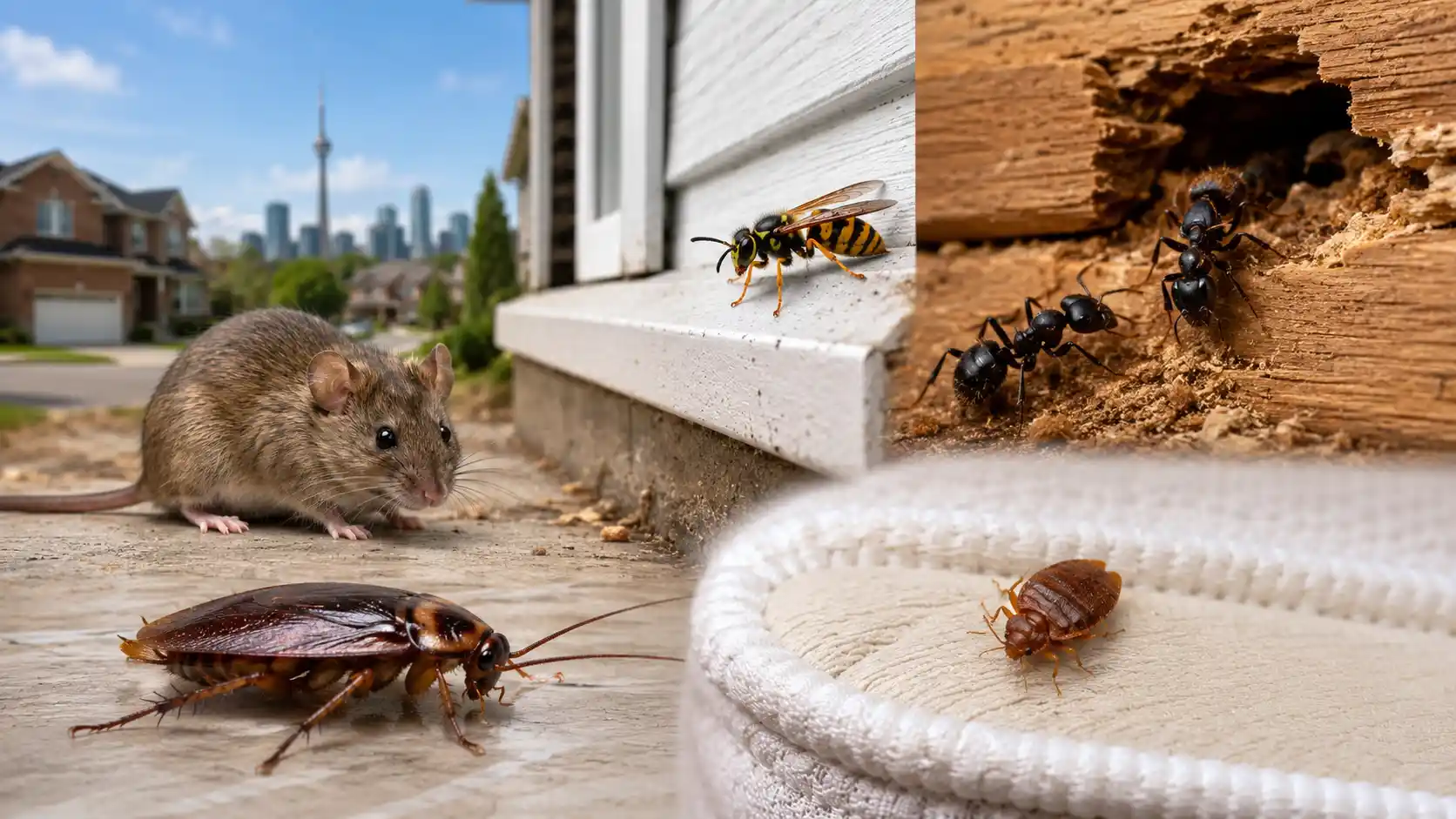
“The most common household pests found in the GTA include ants, rodents, bed bugs, cockroaches, wasps, spiders, flies, silverfish, and occasional wildlife pests. In most homes, the biggest recurring problems are ants in kitchens and basements, mice or rats in walls and garages, bed bugs in bedrooms, cockroaches in kitchens and bathrooms, and wasps around decks, soffits, sheds, and rooflines. Investing in preventive measures and professional pest control services helps avoid massive infestations.”
During different seasons, people living in the GTA have to face pest issues. Common household pests can make it difficult for them to enjoy the changing seasons. Homeowners already have to deal with dense neighbourhoods, older homes, rental buildings, construction activities, and constant movement between properties. These conditions make it easier for common pests to find food, warmth, moisture, and shelter.
Some household pests are mostly a nuisance. Others can contaminate food, damage property, trigger allergies, bite, sting, or spread quickly from one unit to another. Homeowners must know what type of pest they are dealing with, where they prefer to hide, and when the problem demands professional assistance.
Common Household Pests in GTA Homes
| Pest | Most Common Areas | Common Signs | Main Concern | Best First Step |
|---|---|---|---|---|
| Ants | Kitchens, bathrooms, basements, patios | Ant trails, small soil piles, activity near food or moisture | Colony growth and repeat entry | Clean food sources and find entry points |
| Rodents | Basements, garages, walls, attics, kitchens | Droppings, scratching sounds, gnaw marks, damaged packaging | Food contamination and property damage | Seal entry points and remove food access |
| Bed Bugs | Beds, sofas, baseboards, furniture seams | Bites, blood spots, black marks, shed skins | Fast spread and difficult removal | Inspect sleeping areas and avoid moving items around |
| Cockroaches | Kitchens, bathrooms, laundry rooms, apartments | Droppings, musty smell, live roaches at night | Hygiene risk and rapid reproduction | Remove food/moisture and inspect hiding spots |
| Wasps | Rooflines, soffits, decks, sheds, trees | Visible nest, flying activity, stings | Stinging risk near people and pets | Avoid disturbing the nest |
| Spiders | Basements, garages, corners, storage areas | Webs, egg sacs, visible spiders | Usually nuisance, sometimes linked to other insects | Reduce clutter and remove insect food sources |
| Flies | Kitchens, drains, garbage areas, patios | Flying insects, larvae, odour near bins or drains | Food contamination and sanitation issue | Clean drains, bins, and food residue |
Why Are Pests Common in GTA Homes?
The GTA has the right mix of conditions for pests in homes. Many properties have basements, garages, decks, older exterior gaps, attached units, shared walls, garbage storage areas, and landscaped yards. These are all places where common pests can enter, hide, nest, or feed.
Seasonal weather also plays a major role. In spring and summer, ants, wasps, flies, spiders, and other insects become more active. In fall and winter, rodents look for warm places to nest. Bed bugs and cockroaches can be active year-round because they live indoors and spread through movement, shared buildings, second-hand furniture, luggage, and close living spaces.
Urban density makes the problem worse. In condos, apartments, townhomes, and semi-detached houses, pests can move between units through wall gaps, plumbing lines, utility openings, hallways, laundry rooms, garbage rooms, and shared storage areas. That’s why pests in homes in one unit can become a building-wide concern if they are ignored.
7 Most Common Pests in GTA
Ants
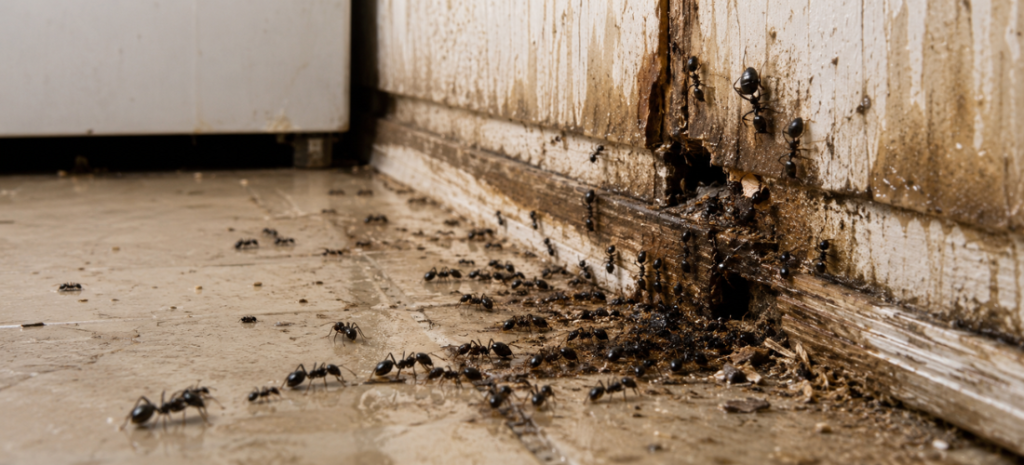
Ants are among the most common household pests in GTA homes, especially during warmer months. They often show up in kitchens, bathrooms, basements, patios, and around foundation walls. Most ants enter homes while searching for food or moisture, but the real problem is usually the colony.
A few ants on the counter may not seem serious at first. But if you keep seeing trails, activity near windows, or ants returning after cleaning, there may be an ant colony nearby. Some ants nest outdoors and enter through cracks. Others may nest inside wall voids, damp wood, insulation, or hidden structural gaps.
The most common signs of ants include trails along baseboards, ants near pet food, activity around sinks, small piles of soil or debris, and repeated sightings in the same area. Kitchens attract ants because of crumbs, sugar, grease, fruit, pet bowls, and open packaging. Bathrooms and basements attract them because of moisture.
To reduce ant activity, clean food spills quickly, store pantry items in sealed containers, rinse recycling, fix leaks, and seal visible gaps around windows, doors, and utility lines. However, surface sprays often only kill the ants you can see. If the colony remains active, the ants may return through another route.
Professional ant control is usually recommended when ants keep coming back, when activity appears in multiple rooms, or when there are signs of nesting inside the home. This is especially important for carpenter ants because they can tunnel through damp or damaged wood.
Rodents
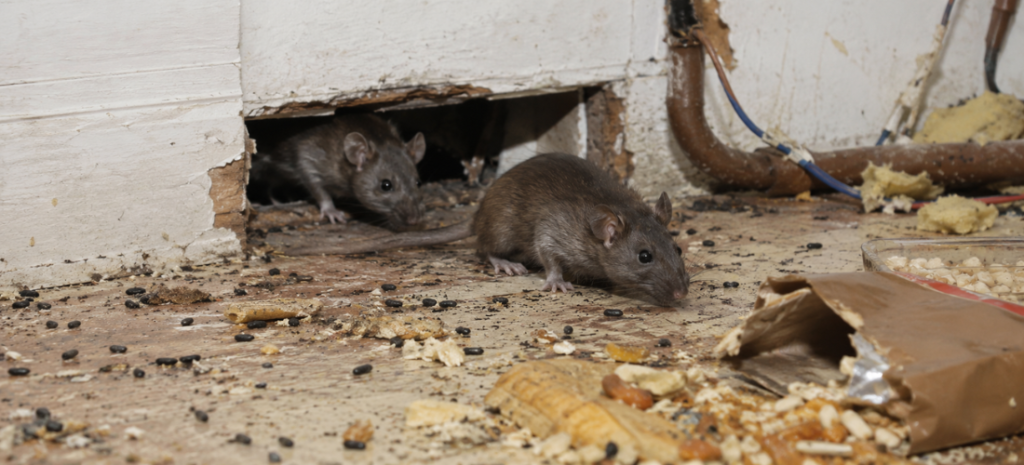
Rodents are one of the most serious pests in homes across the GTA. Mice and rats enter homes looking for food, warmth, and shelter. They can squeeze through small gaps around foundations, garage doors, vents, utility pipes, basement windows, rooflines, and damaged exterior areas.
Many homeowners hear scratching in walls, ceilings, or under floors before they see a mouse or rat. Other signs include droppings, gnaw marks, damaged food packaging, nesting material, greasy rub marks along walls, and a strong urine-like smell.
The main risk with rodents is contamination. They can chew food packaging, leave droppings in cabinets, damage insulation, gnaw wiring, and create hidden nesting areas. The longer the problem continues, the harder it becomes to control.
The first step is exclusion. Seal holes, gaps, and cracks that rodents may use to enter. Store food in hard containers, keep garbage sealed, remove clutter, trim vegetation near the home, and avoid leaving pet food out overnight. Traps can help reduce activity, but if entry points remain open, new rodents can keep coming inside.
Professional rodent control is recommended when you hear repeated wall activity, see droppings in multiple areas, notice daytime sightings, or cannot find the entry point. A proper rodent plan should include inspection, trapping or control measures, entry-point sealing, sanitation advice, and prevention.
Bed Bugs
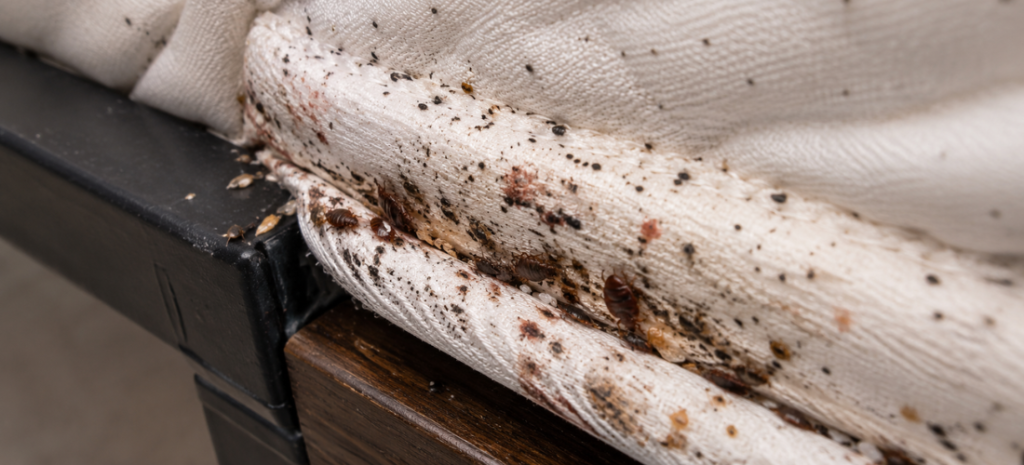
Bed bugs are one of the most stressful household pests because they are hard to find, easy to spread, and difficult to remove without the right treatment. They do not come into a home because it is dirty. They spread through people, luggage, furniture, clothing, apartments, hotels, public transit, shared laundry, and second-hand items.
Bed bugs usually hide close to where people rest. Common hiding areas include mattress seams, box springs, bed frames, headboards, couches, baseboards, nightstands, curtains, electrical outlets, and furniture cracks. They come out to feed, then return to tight hiding spots.
Common signs include small bites, blood spots on sheets, black stains on mattresses or furniture, shed skins, eggs, and live bugs. Some people react strongly to bites, while others may not notice bites at all. That is why visual inspection matters.
One major mistake is moving bedding, furniture, or clothing from one room to another before confirming the problem. This can spread bed bugs into new areas. Another mistake is relying only on sprays from a store. Bed bugs hide deeply, and incomplete treatment can make the infestation harder to control.
If you suspect bed bugs, inspect sleeping areas carefully, reduce clutter, wash and heat-dry bedding and clothing where appropriate, and avoid dragging items through the home. Do not throw furniture away without guidance, because moving infested items can spread the problem to hallways, neighbours, or other rooms.
Professional bed bug treatment is strongly recommended for confirmed infestations. Bed bugs need a targeted plan, proper preparation, and follow-up. In apartments and condos, fast action is especially important because they may spread between units.
Cockroaches
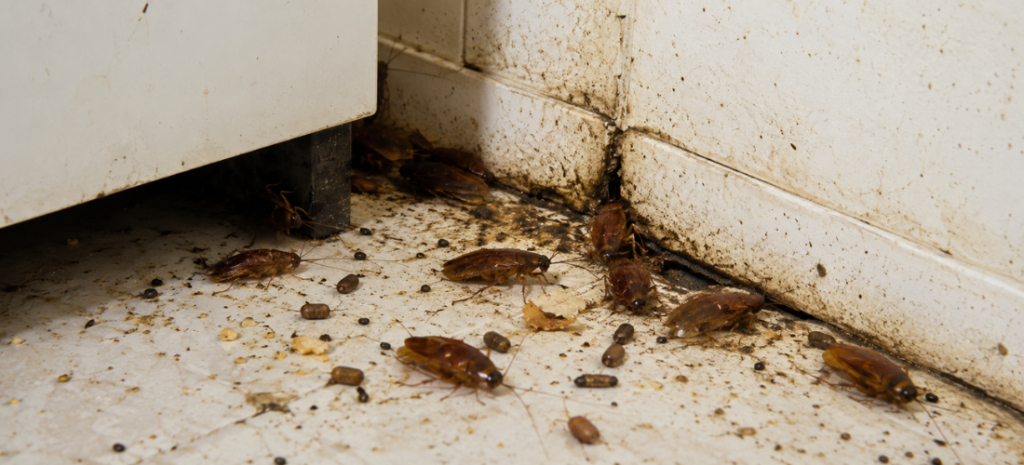
Cockroaches are common pests in GTA homes, restaurants, apartments, condos, and commercial kitchens. They prefer warm, dark, moist spaces with easy access to food. Kitchens, bathrooms, laundry rooms, garbage areas, drains, cabinets, and appliance gaps are common hiding places.
The most common cause of indoor cockroach infestations is food residue, moisture, clutter, shared walls, plumbing gaps, or movement between units. Cockroaches can hide behind fridges, stoves, dishwashers, sinks, cabinets, baseboards, wall voids, and cardboard storage.
Signs of cockroaches include live or dead roaches, droppings that look like black pepper or coffee grounds, egg cases, musty odours, smear marks, and activity when lights are turned on at night. Seeing one cockroach during the day can sometimes mean the hiding areas are crowded.
To reduce cockroach activity, clean grease and crumbs, store food in sealed containers, take garbage out regularly, fix leaks, dry sinks overnight where possible, reduce cardboard storage, and seal cracks around plumbing lines and cabinets. Avoid using random sprays in large amounts. Sprays can scatter roaches and make the problem harder to locate.
Professional cockroach control is recommended when there are repeated sightings, signs in more than one room, activity in apartments, or roaches seen during the day. Effective treatment usually involves inspection, baiting, monitoring, sanitation improvements, and sealing access points.
Wasps
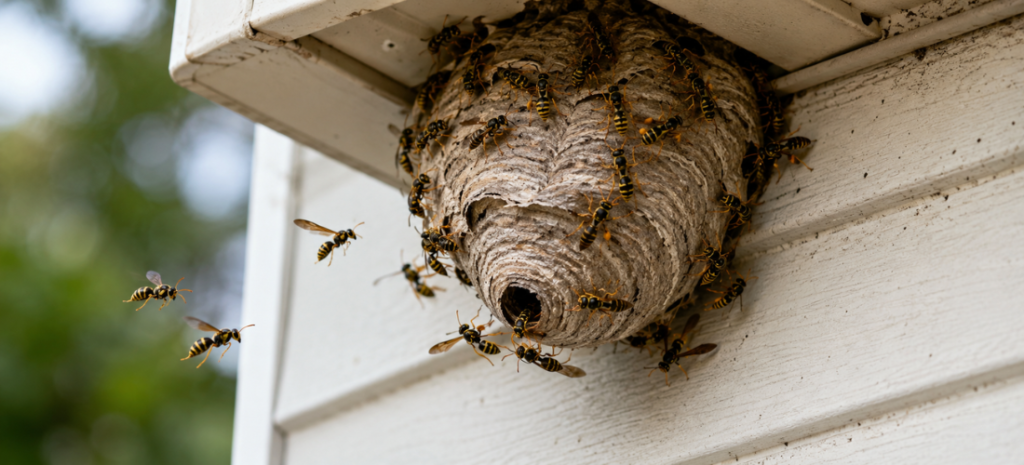
Wasps are common in the GTA during warmer months, especially around decks, rooflines, soffits, sheds, fences, gardens, trees, garages, and outdoor eating areas. They become a bigger concern when nests are close to doors, patios, play areas, walkways, or business entrances.
Wasps are beneficial outdoors because they help control other insects, but they become dangerous when their nest is too close to people or pets. Unlike bees, some wasps can sting more than once. Disturbing a nest can trigger defensive behaviour, especially later in the season when colonies are larger and more active.
Common signs of a wasp problem include regular flying activity around one area, wasps entering and exiting a hole, a visible paper-like nest, or increased activity near food and garbage. Nests may appear under eaves, inside wall voids, behind siding, in attics, under decks, or in trees.
Homeowners should avoid blocking a nest entrance while wasps are active. This can force them into wall voids or indoor spaces. Spraying a nest without proper protection can also lead to multiple stings.
The safest approach is to identify where the wasps are entering and avoid disturbing the nest. Keep outdoor food covered, clean garbage bins, seal sweet drinks, and inspect rooflines and sheds during the early season. If the nest is active or close to people, professional wasp removal is the safer option.
Spiders
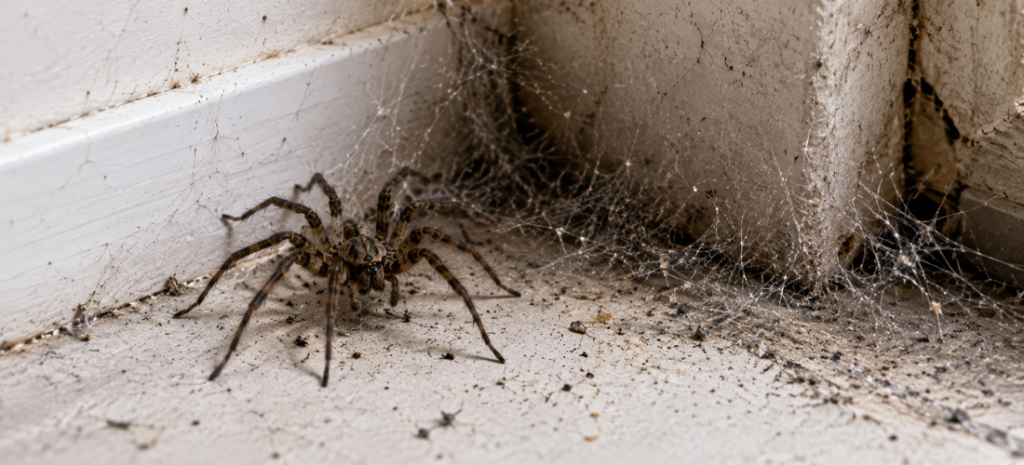
Spiders are common in basements, garages, sheds, crawl spaces, corners, closets, and storage areas. Most spiders found in GTA homes are not a major danger, but they can still make people uncomfortable. Their presence may also suggest that other insects are around, as spiders feed on small pests.
Signs of spider activity include webs, egg sacs, visible spiders, and repeated activity in quiet areas. Cluttered storage rooms, damp basements, and garages often provide ideal hiding places.
The best way to reduce spiders is to reduce their food source. Vacuum webs, remove clutter, seal gaps, install door sweeps, keep storage items in sealed bins, and reduce insects around lights, windows, and entry points. If spiders appear in large numbers, it may be worth checking for other pest activity.
Flies
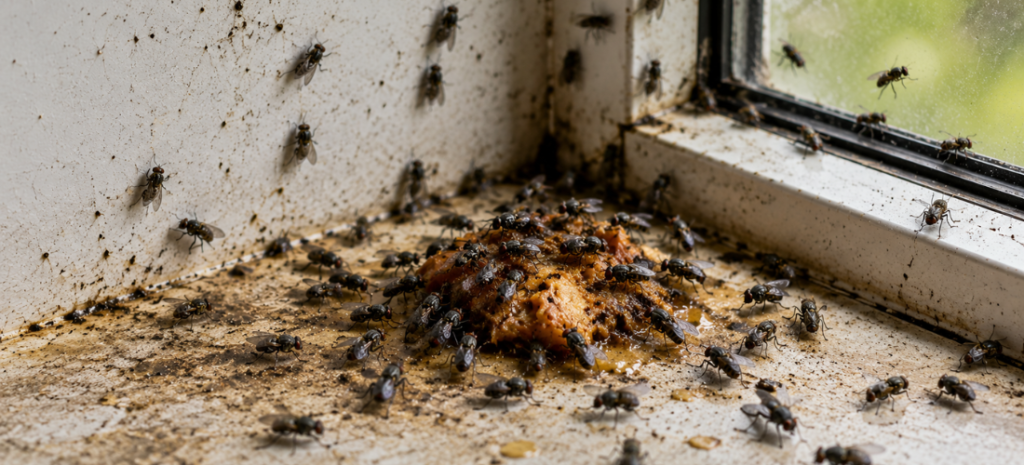
Flies are common household pests in kitchens, restaurants, garbage rooms, drains, patios, and food storage areas. House flies, fruit flies, drain flies, and cluster flies can all become problems in GTA properties.
Fruit flies usually come from ripe fruit, spills, bottles, drains, or organic residue. Drain flies are often linked to buildup inside drains. House flies are attracted to garbage, food waste, pet waste, and open doors. Cluster flies may gather around windows or wall voids during cooler months.
Fly problems are often sanitation-based, so control starts with cleaning the source. Empty garbage, rinse bins, clean drains, remove overripe fruit, wipe spills, and keep doors and windows screened. If flies keep returning, there may be a hidden breeding source that needs to be found.
When Common Pests Become a Bigger Problem?
Not every pest sighting means there is a major infestation. A single ant, fly, or spider may not require treatment. But repeated sightings, activity in multiple rooms, damage, droppings, bites, nests, odours, or noises inside walls should be taken seriously.
The biggest warning signs include:
- Droppings in cabinets, basements, or drawers.
- Scratching sounds in walls or ceilings.
- Bites after sleeping.
- Cockroaches seen during the day.
- Ant trails returning after cleaning.
- A wasp nest near an entrance.
- Pest activity in more than one unit.
- Chewed food packaging or wiring.
- Musty odors or stains near hiding areas.
The longer common pests stay inside a home, the more time they have to breed, spread, contaminate surfaces, and cause damage. Early inspection is usually easier and less stressful than waiting until the infestation grows.
How to Prevent Pests in GTA Homes?
Pest prevention starts with removing what pests need most: food, water, shelter, and entry points. Even small changes can make a home less attractive to household pests.
- Keep kitchens clean, wipe counters daily, vacuum crumbs, store food in sealed containers, rinse recycling, keep garbage lids tight, and avoid leaving pet food out overnight.
- Repair leaks, reduce humidity, and improve ventilation in basements, bathrooms, and laundry rooms.
- Outside the home, seal gaps around doors, windows, vents, pipes, and foundation cracks.
- Trim shrubs and branches away from the structure. Keep firewood, boxes, and clutter away from exterior walls.
- Check sheds, decks, garages, and rooflines for signs of nesting.
- For multi-unit buildings, prevention also depends on building-wide cooperation. Tenants, landlords, property managers, and pest control professionals may need to work together, especially for bed bugs, cockroaches, rodents, and ants.
Professional pest control services are effective in avoiding massive infestations. Invaders Canada offers professional pest extermination services to both residential and commercial spaces.
We have a combination of IPM strategies and a team of experts that offers personalized extermination services according to your specific level of infestation needs. Contact us for more details.
Conclusion
To conclude, the most common household pests in the GTA are not just seasonal annoyances. Ants, rodents, bed bugs, cockroaches, and wasps can quickly become serious problems when they find food, moisture, warmth, or hidden nesting areas inside a property.
The best approach is simple: identify the pest early, remove attractants, seal entry points, monitor activity, and call a professional when the signs keep returning. For pests in homes that spread fast or create health and safety concerns, early action is the difference between a small issue and a full infestation.
FAQs
What are the most common household pests in the GTA?
The most common household pests in the GTA include ants, rodents, bed bugs, cockroaches, wasps, spiders, flies, and silverfish. Ants, mice, rats, bed bugs, and cockroaches are usually the most frequent indoor concerns.
Why do pests enter homes in the GTA?
Pests enter homes to find food, water, warmth, and shelter. Cracks, gaps, drains, shared walls, garbage areas, basements, garages, and roofline openings can all give pests a way inside.
Are cockroaches and rodents dangerous in homes?
Yes, cockroaches and rodents can create health and sanitation concerns. They may contaminate food areas, leave droppings, trigger allergies, damage materials, and spread through hidden spaces if not controlled properly.
Can I remove bed bugs on my own?
Small steps like washing and heat-drying bedding can help, but confirmed bed bug infestations usually need professional treatment. Bed bugs hide in tight spaces and can spread quickly when furniture or clothing is moved incorrectly.
When should I call pest control for common pests?
Call pest control when pests keep returning, appear in multiple rooms, leave droppings or damage, cause bites or stings, or hide in walls, ceilings, beds, kitchens, or shared building spaces. Early treatment is usually easier than waiting.