Summary
“A flea infestation should be handled by treating pets, the home, and outdoor resting areas together. In flea pest control, first confirm signs such as scratching in pets, flea dirt, red bites, live fleas, eggs, or larvae. Use vet-approved flea treatment for pets and avoid random or unsafe products. Vacuum daily, wash bedding, clean carpets, furniture seams, baseboards, and pet areas. Understanding the lifecycle of fleas is also essential for choosing suitable measures to prevent infestations. Call a professional pest control service if fleas spread, return, or a DIY treatment does not work.”
A flea infestation multiplies quickly and leads to itching and an uncomfortable environment for the homeowners. It’s a distressing situation for both your pets and you. Fleas are known for carrying diseases, leading to allergies and unhealthy situations. Whether your pets stay indoors or you don’t own any pets, fleas can still make their way into your spaces. In such situations, proper flea pest control becomes necessary.
This type of infestation begins slowly when a specific pet is scratching more than usual, or you notice a few red bites around your ankles. When you cannot handle your house, pets, and outdoor resting areas properly, fleas can multiply quickly. Long-term flea control is not about killing any fleas you notice. Instead, it’s a multi-step approach and investing in professional pest control services can help. But learning about how to detect, treat, and prevent fleas is essential for homeowners in numerous ways.
What Is the Best Way to Handle a Flea Infestation?
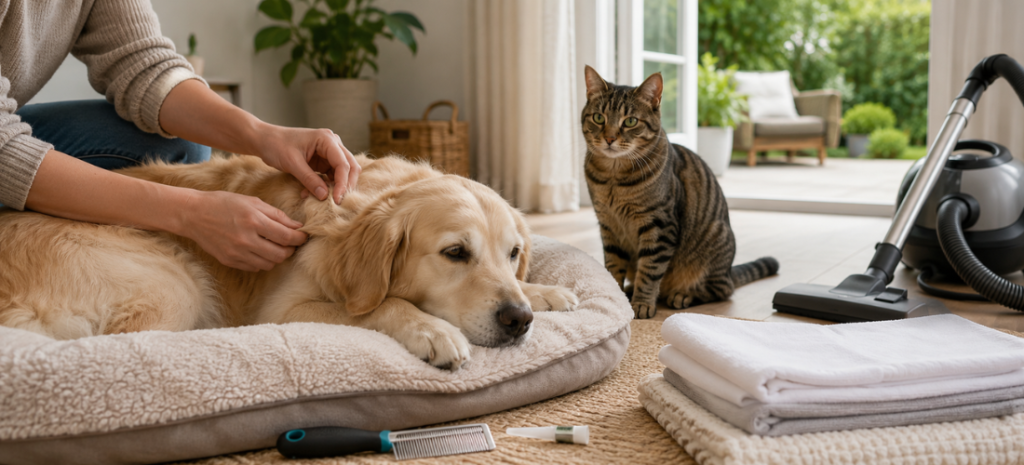
The best way to deal with a flea infestation is to treat the pet, the home, and any outdoor resting areas at the same time. Start by confirming the signs, then vacuum daily, wash bedding, use veterinarian-approved flea treatment for pets, and consider professional flea pest control if fleas are spreading, recurring, or affecting multiple rooms.
Fleas are difficult because most of the problem is not always visible. Adult fleas may be on pets, while eggs, larvae, and pupae can be hidden in carpets, furniture seams, bedding, cracks, baseboards, and shaded outdoor areas where animals rest. EPA guidance recommends daily vacuuming during an infestation because it helps remove eggs, larvae, and adults from key indoor areas.
What Causes a Flea Infestation?
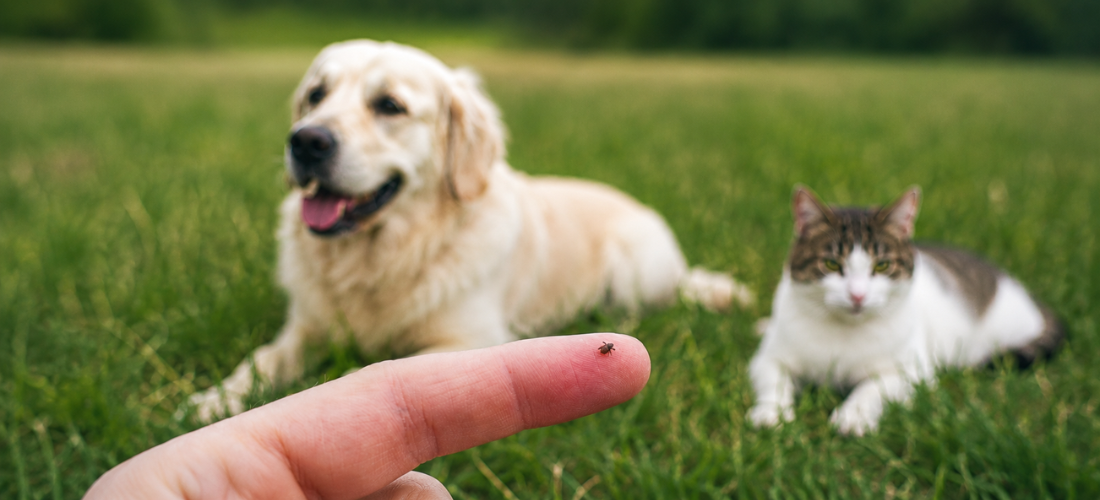
Most flea infestations begin when fleas enter the home on pets. Dogs and cats can pick up fleas from yards, parks, kennels, veterinary offices, grooming facilities, boarding spaces, wildlife areas, or contact with other animals.
However, homes without pets can still get fleas. Rodents, stray cats, raccoons, opossums, squirrels, or previous animal activity in crawl spaces, attics, basements, garages, or under decks can introduce fleas. Fleas may also remain in a home after a previous tenant with pets moves out.
The most common mistake homeowners make is treating only the visible fleas. Adult fleas spend much of their time on pets, but flea eggs often fall into carpets, furniture, pet bedding, rugs, and floor cracks.
Adult fleas feed on the pet, lay eggs in the fur, and those eggs soon fall into areas where the pet rests or spends time. That is why real flea pest control must focus on the full environment.
Signs of a Flea Infestation
The earlier you detect fleas, the easier the problem is to control. Watch for these signs:
1. Excessive Scratching or Biting by Pets
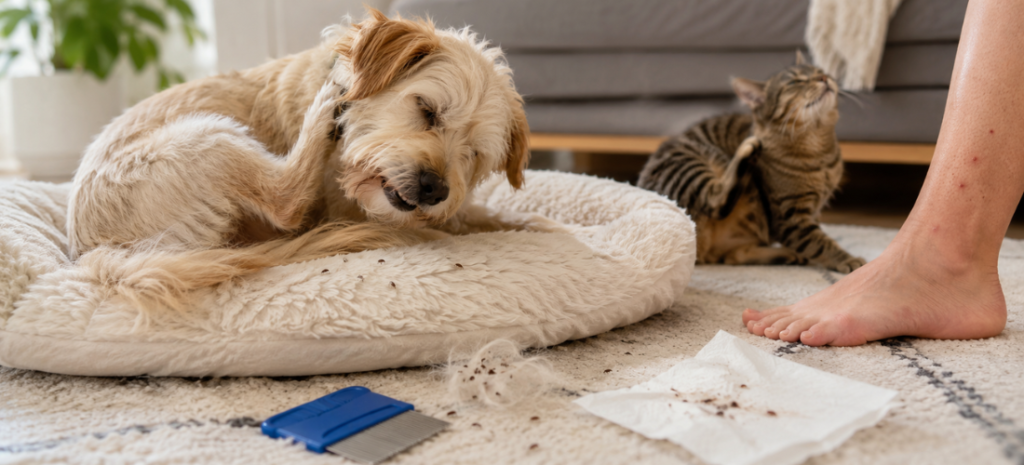
Pets may scratch, chew, lick, or bite at their skin when fleas are present. Common areas include the base of the tail, lower back, belly, neck, behind the ears, and under the collar. Some pets may also develop red skin, scabs, hair thinning, or restlessness.
2. Flea Dirt
Flea dirt looks like small black or dark brown pepper-like specks. It is dried flea feces made from digested blood. You may find it in pet fur, bedding, carpets, rugs, or furniture.
To test it, place the specks on a damp white paper towel. If they create reddish-brown stains, it is likely flea dirt.
3. Small Red Bites on People
Flea bites often appear as small, itchy red bumps. They are commonly found around the ankles, feet, lower legs, waistline, or other exposed areas. Reactions vary from person to person. Some people barely react, while others experience intense itching or irritation.
4. Live Fleas
Adult fleas are tiny, reddish-brown to dark brown, wingless insects. They move quickly and jump rather than fly. You may see them on pets, in carpets, near pet bedding, on upholstered furniture, or even on white socks after walking through an infested room.
5. Flea Eggs or Larvae
Flea eggs are tiny, pale, and easy to miss. They may look like grains of salt or dandruff. Flea larvae are small, worm-like, and usually hidden in dark, protected areas such as carpet fibres, cracks, furniture seams, and under pet bedding.
Why Are Fleas Hard to Eliminate?
Fleas are hard to remove because they develop through multiple stages: egg, larva, pupa, and adult. Most homeowners notice the adults, but immature fleas may already be developing in hidden areas.
The pupal stage is especially frustrating because fleas can be protected inside a cocoon. Even after treatment, new adult fleas may appear for a short period as pupae emerge. This does not always mean the treatment failed. It often means the hidden life stages are still cycling out.
This is why flea pest control usually requires patience, repeat cleaning, pet treatment, and sometimes follow-up service.
How to Treat a Flea Infestation?
A proper treatment plan should follow a clear order. Do not treat one area and ignore the rest.
Step 1: Confirm the Infestation
Use a flea comb on pets, especially around the neck, tail base, belly, and back legs. Wipe the comb on a wet white paper towel and check for reddish-brown staining from flea dirt.
Walk through suspected rooms wearing tall white socks. Fleas may jump onto the socks and appear as tiny dark moving specks. Check pet bedding, carpet edges, baseboards, rugs, couches, and areas where pets sleep.
Step 2: Treat Pets Safely
If you have pets, contact your veterinarian or use a vet-approved flea product suitable for your pet’s species, age, size, and health condition. The EPA warns that flea and tick products must be used according to label directions and that dog products should never be applied to cats unless the label specifically allows it.
This step is critical. If the pet remains untreated, fleas can continue feeding, laying eggs, and spreading through the home.
Step 3: Vacuum Daily During Active Infestation
Vacuum carpets, rugs, upholstered furniture, cracks in flooring, baseboards, under beds, under couches, and areas where pets rest. Vacuuming helps remove eggs, larvae, adults, flea dirt, and debris that larvae feed on.
After vacuuming, empty the canister or discard the bag outside in a sealed trash bag. Do not leave vacuum contents inside the home.
Step 4: Wash Bedding and Fabrics
Wash pet bedding, blankets, washable rugs, slipcovers, and any bedding pets lie on. Use hot, soapy water where fabric care instructions allow. EPA guidance recommends washing pet bedding and family bedding used by pets every two to three weeks as part of flea control.
For severe infestations, old pet bedding may need to be discarded and replaced.
Step 5: Treat Indoor Hotspots
Indoor flea hotspots usually include:
- Pet beds and crates.
- Carpeted rooms.
- Area rugs.
- Baseboards.
- Furniture seams.
- Under cushions.
- Under beds and couches.
- Cracks in hardwood flooring.
- Laundry rooms, basements, and shaded indoor areas.
Professional pest control may include products designed to target adult fleas and immature stages. Insect growth regulators, often called IGRs, are especially useful because they interfere with flea development and help prevent larvae from becoming adults. IGRs affect immature fleas but do not kill adult fleas, so they are often paired with adult flea control methods.
Step 6: Address Outdoor Flea Sources
Outdoor flea control matters when pets spend time outside or wildlife activity is present. Focus on shaded, protected areas where animals rest. These may include under decks, along fence lines, dog runs, kennels, crawl space entrances, sheds, garages, and dense landscaping.
Flea management should combine pet treatment, cleaning of indoor and outdoor resting areas, and possible treatment of shaded outdoor spots where pets rest.
You should also reduce wildlife access by securing trash, closing entry points, removing food sources, trimming overgrown vegetation, and keeping rodents away from the property.
What Not to Do During a Flea Infestation?
Do not rely only on flea bombs. Foggers often miss fleas hiding under furniture, inside carpet fibers, behind baseboards, and in pet resting zones.
Do not treat pets with random products. Wrong products or wrong dosages can be dangerous, especially for cats, puppies, kittens, elderly pets, sick pets, or small animals.
Do not stop cleaning after one day. Flea pest control usually needs repeated vacuuming and monitoring because eggs and pupae may continue developing.
Do not assume indoor pets are safe. Indoor-only pets can still get fleas from humans, visiting animals, rodents, shared buildings, balconies, or previous infestations.
Do not ignore the yard. If pets keep picking up fleas outside, the home can be reinfested even after indoor treatment.
When to Call for Professional Flea Pest Control?
You should consider professional flea pest control if:
- Fleas are in multiple rooms.
- Bites continue after cleaning.
- Pets remain uncomfortable.
- You see fleas after DIY treatment.
- You recently moved into a flea-infested home.
- There are fleas, but no pets in the home.
- Wildlife or rodents may be involved.
- The infestation keeps returning.
- You have children, elderly family members, or sensitive pets at home.
A professional exterminator can inspect the home, identify hotspots, treat cracks and resting zones, advise on preparation, and help target different flea life stages. This is especially useful when the infestation has spread beyond pet bedding or one carpeted area.
How Long Does It Take to Get Rid of Fleas?
A light flea problem may improve quickly with pet treatment, vacuuming, and washing. A larger infestation can take several weeks because hidden eggs, larvae, and pupae may continue to emerge.
You may still see some fleas after treatment. That does not always mean the treatment failed. The key is whether activity decreases over time. If flea activity stays the same or gets worse after consistent cleaning and treatment, the source has probably not been fully addressed.
How to Prevent Fleas from Coming Back?
Prevention is easier than treatment. The best flea pest control strategy is a routine that reduces risk before fleas spread.
- Keep pets on veterinarian-recommended flea prevention.
- Check pets after parks, boarding, grooming, travel, or contact with other animals.
- Wash pet bedding regularly.
- Vacuum high-risk areas often.
- Keep grass trimmed and reduce shaded debris near the home.
- Block rodents and wildlife from entering crawl spaces, attics, sheds, and decks.
- Inspect secondhand rugs, furniture, and pet items before bringing them indoors.
- Act quickly if you notice scratching, bites, or flea dirt.
Professional pest control services prove essential when you cannot handle the flea infestations by yourself. Invaders Canada is an expert pest control company that offers IPM-approved pest control services to residential and commercial properties.
We use a combination of advanced techniques and strategies to handle different types of pests, including fleas. You can contact us for more information.
Conclusion
To conclude, a flea infestation is not just a pet problem. It is a whole-property issue involving pets, people, carpets, bedding, furniture, yards, and sometimes wildlife or rodents. The fastest way of flea pest control is to confirm the signs early, treat pets safely, clean aggressively, target hidden areas, and prevent new fleas from entering. For small problems, consistent cleaning and proper pet treatment may be enough. For larger or recurring infestations, professional pest control is often the smarter option because it targets the areas and life stages most people miss.
FAQs
Can fleas live in a house without pets?
Yes. Fleas can enter homes through rodents, wildlife, stray animals, previous tenants, or infested outdoor areas. Pet-free homes can still develop flea problems, especially if animals are nesting in crawl spaces, attics, garages, or under decks.
How do I know if I have fleas or bed bugs?
Fleas jump, often bite ankles and lower legs, and are commonly linked to pets or animals. Bed bugs crawl, usually bite during sleep, and hide near beds, mattresses, headboards, and furniture cracks. If pets are scratching and you find flea dirt, fleas are more likely.
Why am I still seeing fleas after treatment?
You may still see fleas because eggs, larvae, or pupae were hidden during the first treatment. Fleas can continue emerging for a period after treatment. Keep vacuuming, washing bedding, monitoring pets, and following any professional or product instructions.
Is professional flea pest control worth it?
Professional flea pest control is worth it when fleas are spreading, returning, biting people, affecting pets, or surviving DIY treatment. It is also helpful when there may be outdoor sources, rodents, wildlife, or hidden infestation zones inside the home.
What is the fastest way to get rid of fleas in the house?
The fastest approach is to treat pets with veterinarian-approved flea control, vacuum daily, wash bedding, clean pet resting areas, and treat indoor hotspots at the same time. For heavy infestations, professional flea pest control can speed up control and reduce missed areas.
Silverfish in Your Home: Causes & How to Remove Them