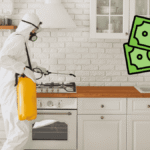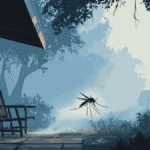

Pest control is the process of managing, removing, and preventing unwanted insects, rodents, and animals from invading your home or business. It involves identifying the pest type, understanding their behavior, and using safe, effective methods to eliminate them while preventing future infestations. Professional pest control protects your property from damage, keeps your family safe from diseases, and gives you peace of mind in your own space.
Understanding Pest Control
Pest control is the process of managing and eliminating unwanted insects, rodents, and other animals from your property. It involves identifying the type of pest, understanding their behavior, and using safe methods to remove them.
Professional pest control goes beyond just killing bugs. It focuses on preventing future infestations and protecting your home long-term.
Common Types of Pests
Different pests require different treatment approaches. Here are the most common ones homeowners deal with:
Insects:
- Ants and carpenter ants
- Cockroaches and roaches
- Bed bugs and fleas
- Termites and wood-boring beetles
- Wasps, hornets, and bees
- Spiders and centipedes
Rodents:
- Mice and rats
- Squirrels in attics
- Chipmunks around foundations
Wildlife:
- Raccoons in garbage areas
- Skunks under decks
- Bats in attics
Why Do You Need Pest Control?
Many homeowners wonder if they really need professional help. The answer depends on your situation, but here are the main reasons people seek pest control services.
Health and Safety Concerns
Pests carry diseases that can harm your family. Rodents spread salmonella and hantavirus through their droppings. Cockroaches trigger asthma and allergies. Ticks carry Lyme disease.
Professional pest control protects your family’s health. Technicians use safe products that eliminate pests without harming people or pets.
Property Damage Prevention
Some pests cause serious structural damage. Termites eat through wooden beams and supports. Carpenter ants tunnel through wood structures. Rodents chew electrical wires, which can cause fires.
Early pest control saves you thousands in repair costs. A small termite problem today can become a major structural issue tomorrow.
Peace of Mind
Living with pests is stressful. You can’t relax in your own home when you’re worried about mice, roaches, or bed bugs. Sleep becomes difficult. Entertaining guests feels embarrassing.
Professional pest control gives you back your comfort and peace of mind.
How Pest Control Works
Understanding what happens during pest control helps you know what to expect. Here’s how professional companies handle infestations.
Step 1: Thorough Inspection
A trained technician visits your property to assess the situation. They look for signs of active infestation, entry points and access areas, conducive conditions attracting pests, and the level of infestation severity. This inspection determines the best treatment plan for your specific problem.
Step 2: Custom Treatment Plan
No two infestations are exactly alike. Your technician creates a plan based on the type of pest identified, the size of your property, the severity of infestation, and your family’s specific needs. The plan includes treatment methods, a timeline, and prevention strategies.
Step 3: Safe Treatment Application
Professional technicians use proven methods to eliminate pests. These include:
| Treatment Method | Best For | How It Works |
|---|---|---|
| Liquid Treatments | Ants, roaches, spiders | Applied to baseboards and entry points |
| Baiting Systems | Rodents, ants, roaches | Pests consume the bait and eliminate the colony |
| Dust Applications | Wall voids, attics | Long-lasting protection in hidden areas |
| Traps and Monitors | Mice, rats, insects | Capture and track pest activity |
| Exclusion Work | All pests | Seal entry points and access areas |
Step 4: Follow-Up and Monitoring
Most pest problems require multiple visits. Your technician returns to check treatment effectiveness, apply additional products if needed, monitor for new activity, and adjust the treatment plan. Regular monitoring ensures pests don’t return.
Different Types of Pest Control Methods
Pest control companies use various approaches depending on the situation. Here are the main methods professionals rely on.
Chemical Control
This involves using pesticides and insecticides to kill pests. Modern products are much safer than older chemicals. They target specific pests while being safe around people and pets when applied correctly.
Professional technicians are trained and licensed to use these products safely. They know the right products, proper dosages, and safe application methods.
Biological Control
This natural approach uses predators or parasites to control pest populations. It works well for outdoor pest management and agricultural settings.
Examples include using ladybugs to eat aphids or introducing beneficial nematodes to control grubs in lawns.
Physical Control
Physical methods remove or block pests without chemicals. This includes traps for rodents and insects, screens on windows and vents, door sweeps and weather stripping, and caulking gaps and cracks. Physical control works best when combined with other methods.
Integrated Pest Management (IPM)
IPM combines multiple approaches for the most effective results. It focuses on prevention first to stop pests before they become a problem, along with regular monitoring to catch issues early. The approach uses multiple treatment methods tailored to each situation and includes environmental modifications to make your property less attractive to pests. By emphasizing these strategies, IPM achieves minimal pesticide use. This holistic approach provides long-term pest control with less chemical dependence.
Common Pest Control Challenges and Solutions
Every pest situation presents unique challenges. Here’s how professionals handle common problems.
Challenge: Recurring Infestations
The Problem: Pests keep coming back even after treatment.
The Solution:
- Identify and seal all entry points
- Remove food sources and water
- Regular maintenance treatments
- Address outdoor conducive conditions
Challenge: Hard-to-Reach Areas
The Problem: Pests hide in walls, attics, or crawl spaces.
The Solution:
- Dust applications in void spaces
- Specialized equipment for tight areas
- Targeted baiting in hidden locations
- Exclusion work to prevent access
Challenge: Resistant Pest Populations
The Problem: Some pests don’t respond to standard treatments.
The Solution:
- Rotate between different product types
- Use combination treatment approaches
- Implement stronger professional-grade products
- Increase treatment frequency
Signs You Need Professional Pest Control
Sometimes it’s obvious you have a pest problem. Other times, the signs are subtle. Watch for these warning signals.
1. Visible Pest Activity
You might notice live insects or rodents moving around your home, especially at night. Dead bugs often accumulate around windows, baseboards, or light fixtures. Droppings in cabinets, corners, or along walls are clear signs of an active infestation.
2. Property Damage
Look for holes in walls or baseboards where pests have chewed through. Damaged food packaging in your pantry indicates rodents or insects have been feeding. Chewed wires, damaged insulation, wood damage, or small piles of sawdust near wooden structures all point to serious pest activity.
3. Strange Sounds or Smells
Listen for scratching sounds in walls, especially at night when rodents are most active. Musty or unusual odors that seem to come from nowhere can indicate hidden infestations. Rustling sounds in attics or crawl spaces often mean pests have made your home theirs.
Health Issues:
Unexplained bites or rashes on your skin may come from bed bugs, fleas, or other pests. Increased allergy symptoms like sneezing, coughing, or itchy eyes can be triggered by cockroaches or rodent droppings. Respiratory problems that worsen over time might be linked to pest-related allergens in your home.
If you notice any of these signs, contact a professional immediately. Early treatment prevents bigger problems.ional immediately. Early treatment prevents bigger problems.
DIY vs. Professional Pest Control
Many homeowners try do-it-yourself solutions first. While some minor problems can be handled yourself, professional services offer significant advantages.
When DIY Works
DIY pest control may be enough for:
- Single ant or spider sightings
- Prevention and maintenance
- Very minor infestations
- Outdoor perimeter protection
When You Need Professionals
Call experts for:
- Large or widespread infestations
- Dangerous pests like wasps or venomous spiders
- Recurring problems that won’t go away
- Structural pests like termites
- Health-threatening situations
| Factor | DIY Pest Control | Professional Service |
|---|---|---|
| Cost | Lower upfront cost | Higher initial cost, better value long-term |
| Effectiveness | Limited for serious issues | Guaranteed results |
| Safety | Risk of improper use | Trained, licensed technicians |
| Time Required | Significant research and effort | Quick, efficient treatment |
| Warranty | None | Service guarantee included |
Preventing Future Pest Problems
Prevention is easier and cheaper than treating infestations. Here’s how to keep pests away.
Indoor Prevention Tips
Keep It Clean:
- Wipe up spills immediately
- Store food in sealed containers
- Take out garbage regularly
- Clean under appliances
Eliminate Water Sources:
- Fix leaky pipes and faucets
- Don’t leave standing water
- Use bathroom fans to reduce moisture
- Keep drains clean and flowing
Reduce Clutter:
- Organize storage areas
- Remove cardboard boxes
- Keep spaces well-ventilated
- Minimize hiding spots
The Cost of Pest Control Services
Pest control costs vary based on several factors. Understanding pricing helps you budget and find the right service.
Most pest control companies offer free inspections. This helps you understand your problem and get accurate pricing before committing.
How Invaders Canada Helps Protect Your Home
At Invaders Canada, we understand how stressful pest problems can be. Our team has been protecting Canadian homes and businesses for years with reliable, effective pest control solutions.
What We Do
We offer comprehensive pest management services, including:
Residential Pest Control:
We provide complete home inspections to identify any pest issues in your property. Our team handles treatment for all common pests, from insects to rodents. We offer preventative maintenance programs to keep your home protected year-round, along with emergency response services when you need immediate help.
Commercial Services:
We specialize in restaurant and food service pest management to maintain health code compliance. Our services extend to office building treatments that keep your workplace pest-free. We also protect warehouse and storage facilities from infestations, providing compliance and documentation support for your business records.
Our Approach
We use Integrated Pest Management strategies that prioritize your family’s safety. Our licensed technicians conduct thorough property inspections and create custom treatment plans tailored to your specific needs. We use eco-friendly products when possible to minimize environmental impact. After each visit, we provide detailed service reports and offer prevention advice and education to help you maintain a pest-free environment.
FAQs
How long does pest control treatment last?
Most treatments provide protection for 30-90 days, depending on the pest type and treatment method. Regular quarterly service maintains continuous protection.
Is pest control safe for children and pets?
Yes, when applied by professionals. Modern products are designed to target pests while being safe around people and animals. Technicians provide specific safety instructions for your situation.
How soon will I see results?
Some pests die within hours of treatment. Others take several days as they contact treated areas or consume bait. Your technician explains the expected timeline for your specific pest.
Do I need to leave my home during treatment?
Usually not. Most treatments allow you to stay home. Your technician advises if any special precautions are needed.
What should I do to prepare for pest control service?
Clear clutter from treatment areas, store food properly, and keep pets away during application. Your service provider gives you a preparation checklist before your appointment.