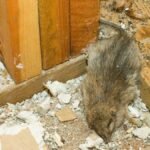

If you hear light scratching above your ceiling after dark, find rice-sized droppings in the insulation, or catch a musky, ammonia-like smell upstairs, you most likely have mice in attic. The fix has three parts: confirm it, remove the mice with traps set along the walls, and seal every gap bigger than a dime so they cannot get back in.
A small, early problem is something many homeowners can handle. A large nest, or a problem that keeps coming back, usually calls for a professional.
This guide is for homeowners in the GTA who think something is living over their heads and want a straight answer on what to check, what is risky, and what to do next.
Why do mice move into attics?
An attic gives mice everything they want: warmth, shelter, quiet, and soft material for a nest. Insulation, cardboard boxes and old fabric all make good bedding. Most attics are also visited a few times a year at best, so a mouse can settle in without being disturbed.
Getting in is the easy part for them. Mice can squeeze through openings about the size of a dime, so gaps along the roofline, eaves, soffits, unscreened vents and spots where utility lines enter the house are all fair game. They are also good climbers, which means a branch touching the roof or a rough brick wall can work as a ladder.
Timing matters in Ontario. As nights cool down in the fall, mice look for somewhere warmer, and attics and wall cavities are near the top of the list. If you want the seasonal background, our piece on why mice infest homes in winter in the GTA explains why activity tends to jump once the temperature drops.
What are the signs of mice in your attic?
Mice are nocturnal, so sound is usually the first clue. You may hear scratching, scurrying or faint squeaking, often loudest soon after dark. Gnawing noises are common too, because mice chew constantly to keep their teeth worn down. Knocking on the ceiling may quiet them for a few minutes, but they tend to start up again in the same spot.
Once you can safely get a look, these are the things to check for.
| Sign | What it suggests | Where to look |
|---|---|---|
| Dark, rod-shaped droppings, about 3 to 6 mm long | Active travel routes or a feeding area | Along walls, near insulation, around stored boxes |
| Shredded paper, fabric or insulation balls | A nest, which often means breeding | Corners, behind boxes, inside insulation |
| Gnaw marks on wood, wiring or cardboard | Ongoing damage and possible fire risk | Rafters, wire runs, stored items |
| Greasy rub marks along beams and walls | A well-used runway | Edges of beams and the base of walls |
| Ammonia-like or musky smell | Built-up urine and a longer-running problem | Attic hatch and the rooms below it |
| Tunnels or flattened trails in insulation | Regular movement under the surface | Open insulation areas |
A single dropping or one odd noise does not prove a big infestation, but repeated signs in more than one spot should be taken seriously. Mice often spend weeks inside a house before anyone sees one, so by the time you spot a live mouse there are likely more nearby.
Is it mice, or is it squirrels?
The answer changes the plan, so it is worth a minute to sort out. Squirrels are active in daylight, usually around first light and again in the evening, while mice are most noisy at night. Squirrels need a much bigger entry hole, roughly the size of a baseball, and they tend to flatten insulation by living on top of it. Mice tunnel through it. Squirrel droppings are also larger than the small pellets mice leave behind. If the noise is heavy, daytime and thumping rather than scratching, you may be dealing with something other than mice.
How dangerous are mice in an attic?
Mostly they are a risk to your health and your wiring, and the two are easy to underestimate.
On the health side, mouse droppings, urine and saliva can contaminate surfaces, and dried particles can get into the air when they are disturbed. Mice can also carry fleas, ticks and mites into a home. The best-known concern is hantavirus, which people can catch by breathing in contaminated particles from infected deer mice. It is rare, and deer mice are a different animal from the house mice that most often move into homes, so the risk in an ordinary attic is low.
The practical lesson is about cleanup. Alberta government guidance on reducing hantavirus risk advises soaking droppings and nests with a bleach solution before touching them and never sweeping or vacuuming them dry, since the dust may carry the virus. We cover the safe way to do this in the removal steps below.
On the property side, mice gnaw on wood, insulation and electrical wiring. Chewed wires can cause shorts, and in the worst case they become a fire hazard. Droppings and urine soak into insulation and reduce how well it works, which can show up as higher heating bills. Heavily soiled insulation often has to be removed and replaced rather than cleaned.
Breeding is the other reason not to wait. A female house mouse can have many litters in a year, so a pair that moves in during October can turn into a crowd by spring. For a closer look at how fast this escalates across the region, see our guide to mice infestations in the GTA.
How do you get rid of mice in the attic yourself?
For a small, recent problem, a careful DIY approach can work. The order of the steps matters, because sealing too early can trap mice inside, where they die in the walls or chew a new way out.
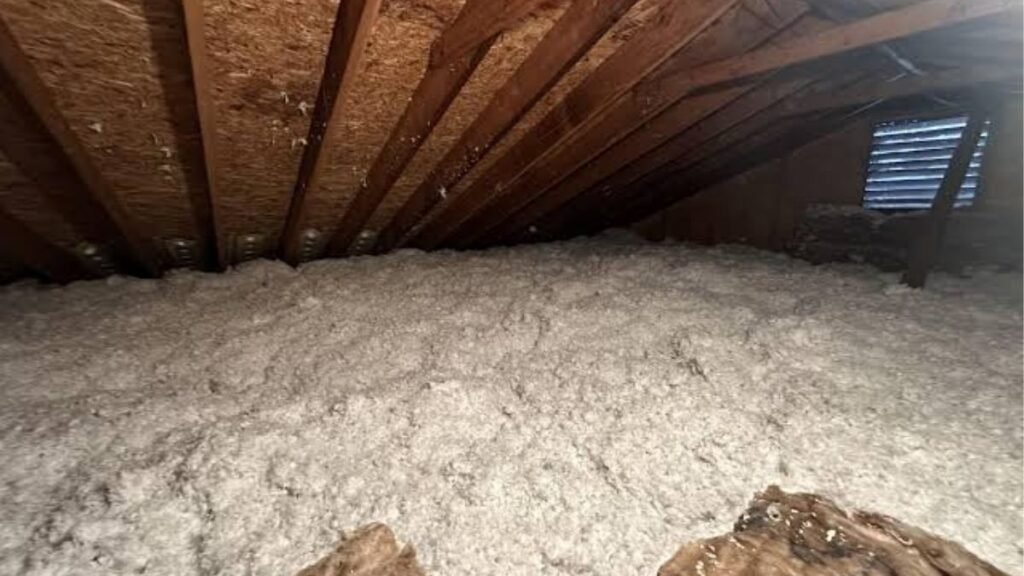
Step 1: Confirm where they are active
Use a flashlight and wear gloves and a snug mask. Look for droppings, rub marks and nests, and note where the trails run. Mice stick to edges, so activity usually follows walls, beams and corners. The City of Toronto notes in its rodent control guidance that house mice generally stay within about 10 to 30 feet of their nests, so heavy traffic in one area usually points to a nest close by.
Step 2: Set traps along the runways
Snap traps are the most common DIY choice. Place them against walls with the trigger end toward the wall, close to droppings and along trails, and space them a few feet apart. Mice are cautious, so use more traps than you think you need, and keep them out of reach of pets and children. Check them every day, remove any catch with gloves, and reset. If you are not catching anything after several days, the mice may be using a route you have not found yet.
A word on poison. Bait can leave mice dying inside walls and ceilings, which brings its own smell and fly problems, and it carries risks for pets and wildlife. Most professionals lean on traps and exclusion for this reason.
Step 3: Seal the entry points once activity stops
When you have gone several days without a catch or fresh droppings, go over the outside of the house and the attic for gaps. Check the roofline, eaves, soffit edges, gable and ridge vents, and anywhere pipes, cables or vents pass through. Use materials that mice cannot chew through easily, such as steel wool, metal mesh or hardware cloth for larger holes, and a suitable sealant for small gaps. Expanding foam on its own is often not enough, because mice can chew through it.
Step 4: Clean up safely
Open windows or the hatch to ventilate for at least 30 minutes before you start. Wear gloves, goggles and a well-fitting mask. Dampen droppings and nesting material with a disinfectant or a bleach solution (Alberta suggests one part bleach to nine parts water), wipe them up with paper towels, and bag them. Do not sweep or vacuum dry droppings. Wash your hands well afterward. If the insulation is heavily soiled, do not try to rake it around. That is the point where cleanup is worth handing to a professional.
For more on what is realistic to handle yourself, our overview of DIY pest control tips lays out the limits.
What about repellents?
Ultrasonic devices, peppermint oil and similar home remedies are popular, but the evidence that they clear an established infestation is thin. At best they might discourage a casual visitor. They are not a substitute for trapping and sealing.
When should you call a professional for mice in the attic?
It is time to bring in help when any of these apply:
- You keep hearing activity after a week or two of trapping.
- You find several nests, or droppings spread across a large area.
- Wires have been chewed or you notice a burning smell.
- The insulation is soiled, flattened or smells strongly.
- You cannot safely reach the entry points, for example on a steep or high roofline.
- Mice return after you have already sealed and cleaned.
A thorough visit does more than set traps. It should include an inspection of the attic and the outside of the house, a plan to remove the mice, sealing of the entry points, and advice on cleanup or insulation if there is contamination. Removal without sealing tends to be temporary, since the next group of mice finds the same gap.
When you compare providers, ask what the price covers, whether sealing is included, and what happens if activity continues. Our guide to choosing the right exterminator walks through the questions worth asking. Invaders Canada provides rodent control across Toronto and the GTA, and we are happy to inspect an attic and explain what we find before you decide anything.
How do you keep mice out of the attic for good?
Prevention is mostly maintenance. None of it is complicated, but it works best when you do it before the cold weather arrives.
- Inspect each fall. Walk the roofline and foundation and repair gaps, damaged screens and worn weatherstripping.
- Screen vents and openings. Use metal mesh on attic vents, chimney openings and other roofline gaps.
- Trim back branches. Keep tree limbs and shrubs away from the roof and walls so they cannot act as a bridge.
- Move firewood. Store it well away from the house and off the ground.
- Use sealed bins in the attic. Plastic bins with lids beat cardboard, which mice happily shred for bedding.
- Cut off food sources. Store pantry food in airtight containers and keep garbage bins tightly closed.
- Check again in spring. A quick look for fresh droppings or gnawing can catch a problem early.
If you want a broader routine that covers other pests too, see our advice on keeping your home pest-free year-round.
Bottom Line
Mice in the attic are common in the GTA, especially from fall onward, and they are easier to deal with when caught early. Listen for night-time scratching, look for droppings and nests, and use traps before you seal. Clean up with a damp method and protective gear rather than a broom or vacuum. If the signs persist, the nest is large, wires are damaged or you simply do not want to handle it, a professional inspection will save time and repeat visits.
FAQs
How fast can mice multiply in an attic?
Quickly. A single female house mouse can have multiple litters in a year, with several young in each. That is why a couple of mice found in October can become a much larger group by spring if nothing is done.
Can mice in the attic get into the rest of my house?
Yes. Mice travel through wall cavities, along pipes and wiring, and through small gaps around ceiling fixtures and hatches. If you start noticing droppings in a kitchen, pantry or closet, the activity has likely spread beyond the attic.
Do ultrasonic repellents work on mice?
Results are inconsistent, and there is little solid evidence that they remove mice that are already nesting. Treat them as an extra at most. Trapping, sealing entry points and cleaning up contamination do the real work.
How much does mouse removal cost in the GTA?
It varies with the size of the infestation, how many entry points need sealing, how hard the attic is to reach, and whether cleanup or new insulation is needed. The most reliable route is an inspection and a written quote, which should spell out what is included and whether follow-up visits are covered.
Do I need a licensed exterminator in Ontario?
In general, companies that apply pesticides for hire in Ontario need to be licensed, so it is reasonable to ask any provider for their licence details. Because mouse control often relies on traps and sealing rather than pesticides, also ask what methods will be used and how the work is documented.